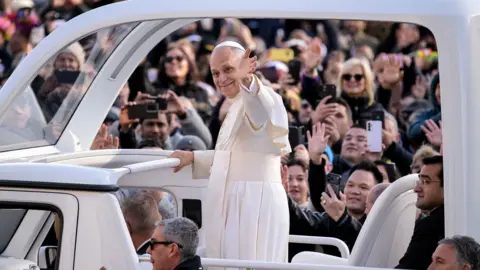
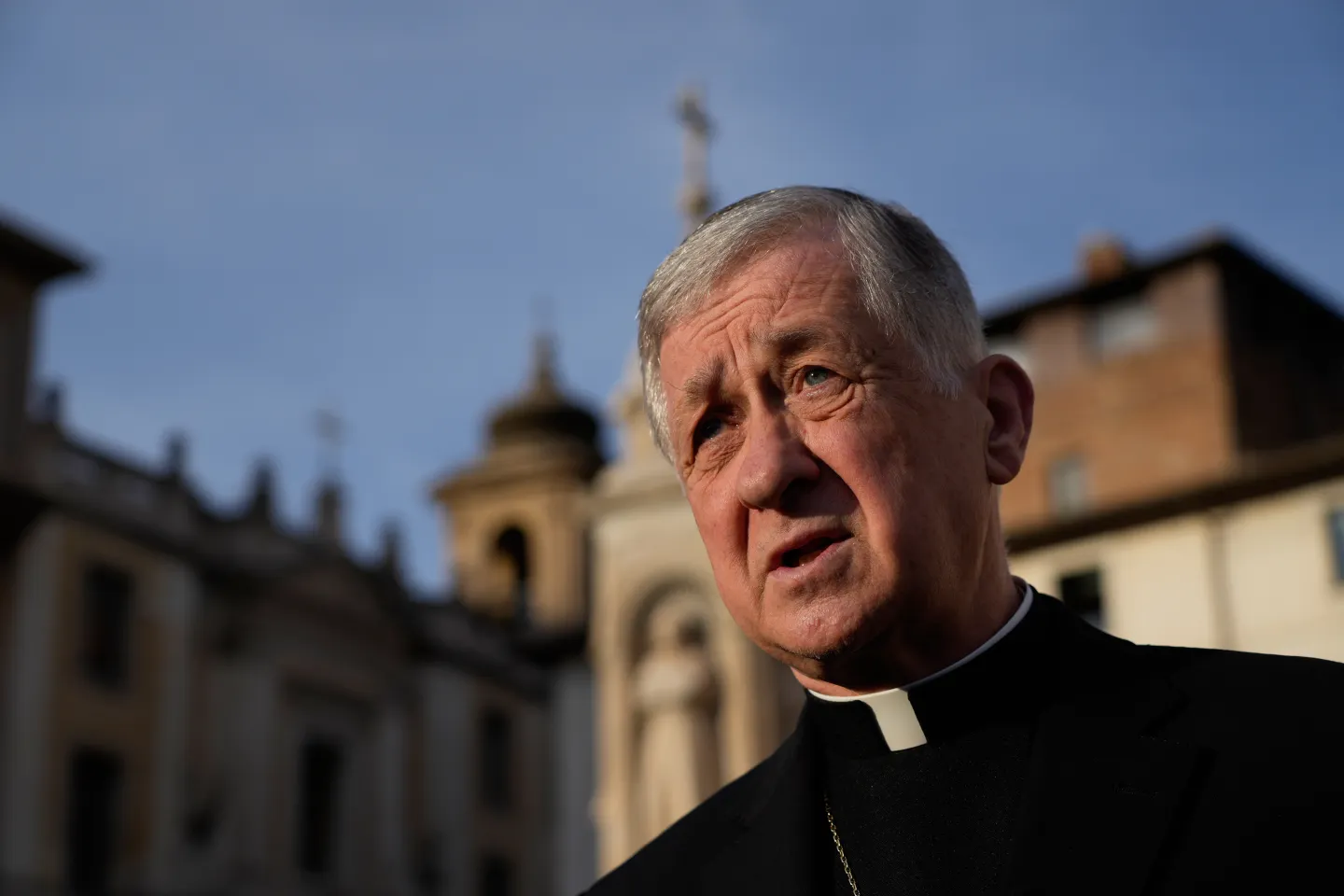
Pope Leo XIV has made headlines as he officially began his papacy, championing the cause of "ordinary people." His inaugural Mass emphasized the necessity for the Catholic Church to reach out and address the "wounds that afflict our society." This milestone has historical significance, as Leo is the first pope born in the United States, although cardinals downplayed this aspect during the conclave.
Emerging from a life dedicated to serving the poor in Peru, where he held the bishopric in Chiclayo, Leo stressed that his background and experiences mattered more than his nationality. He called for greater "missionary outreach" from the church, reflecting a commitment to healing societal fragmentation. His first homily included concerns about diminishing religious faith leading to a rise in violations of human dignity.
Observers noted Leo's remarks, such as his call for "building bridges" in communities—a nod to his Augustinian roots. Various cardinals expressed confidence that his agenda would resonate with Pope Francis's mission of compassion, focusing on the needs of migrants and the underserved. The Vatican is bracing for an era where Leo's authority as a moral voice may act as a counterbalance to political figures like President Trump, especially on issues tied to immigration and social justice.
Additionally, Leo plans to engage with journalists soon, shedding light on his vision for the papacy. Celebrating from St. Peter’s Square, Leo's themes of peace and outreach resonate as he begins to lay the groundwork for his leadership of 1.4 billion Catholics worldwide.
Through this momentous transition, both supporters and critics within the church context are poised to see how Pope Leo balances tradition with modern challenges, bringing his unique experience to bear on global issues facing the Catholic Church.