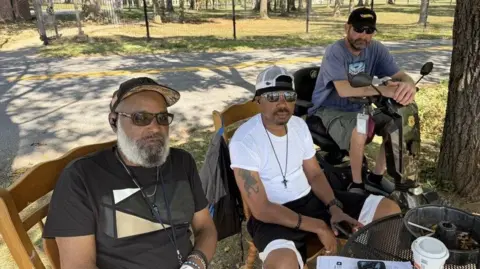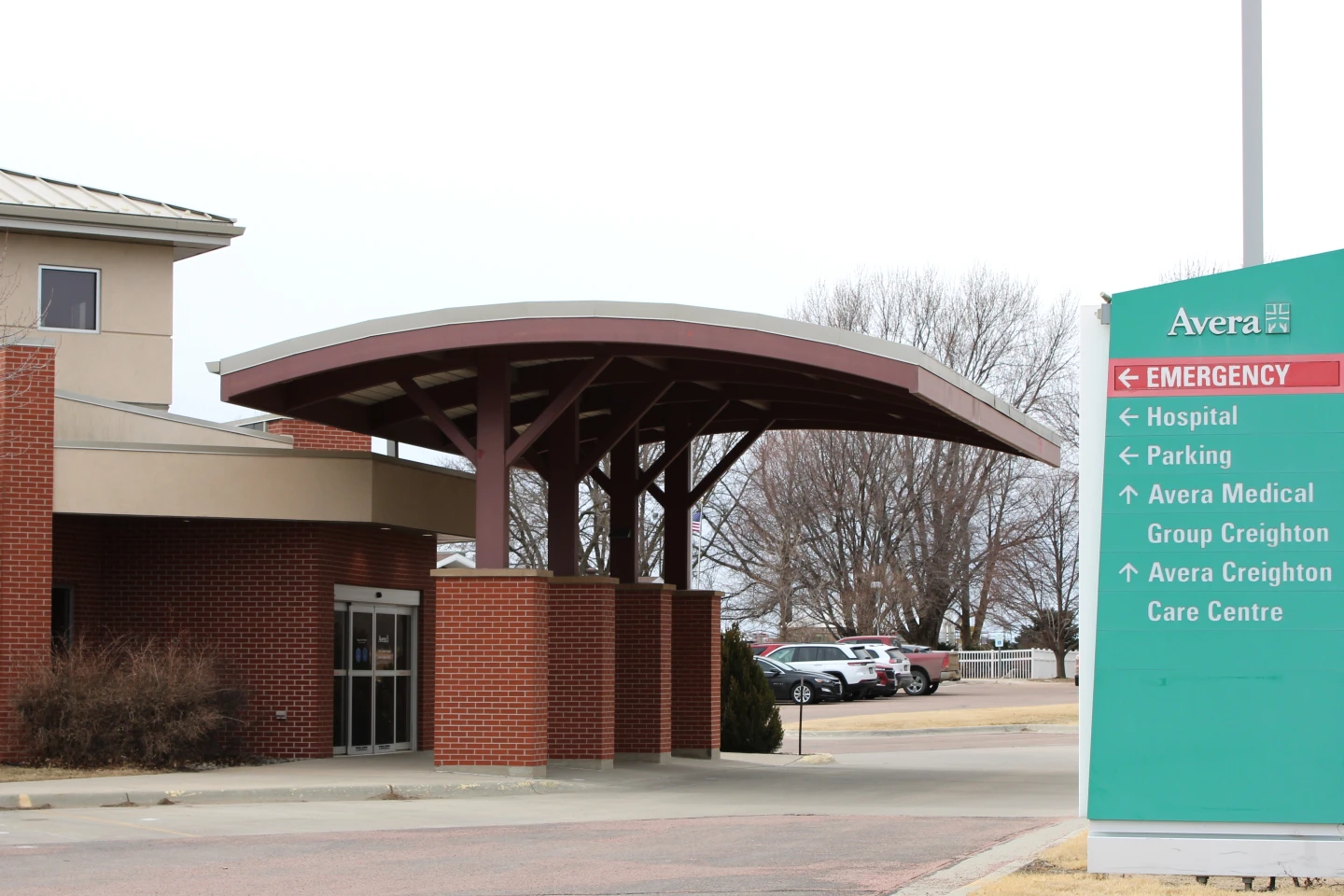
In Creighton, Nebraska, Rick and Jane Saint John chose to live there primarily because of its hospital—a vital service given their child's health needs. With up to three visits a week for conditions like autism and epilepsy, the local facility has been life-saving. Jane, who almost died from pneumonia without immediate care, understands firsthand the stake in having accessible health services nearby.
Yet, the Saint Johns are now alarmed to learn that Avera Creighton Hospital is facing severe financial distress. A new $50 billion federal fund, intended to reshape rural healthcare, isn't enough to stave off the closures of many hospitals in similar situations across the U.S. The reality is dawning on families across rural America that this lifeline might not be as substantial as hoped.
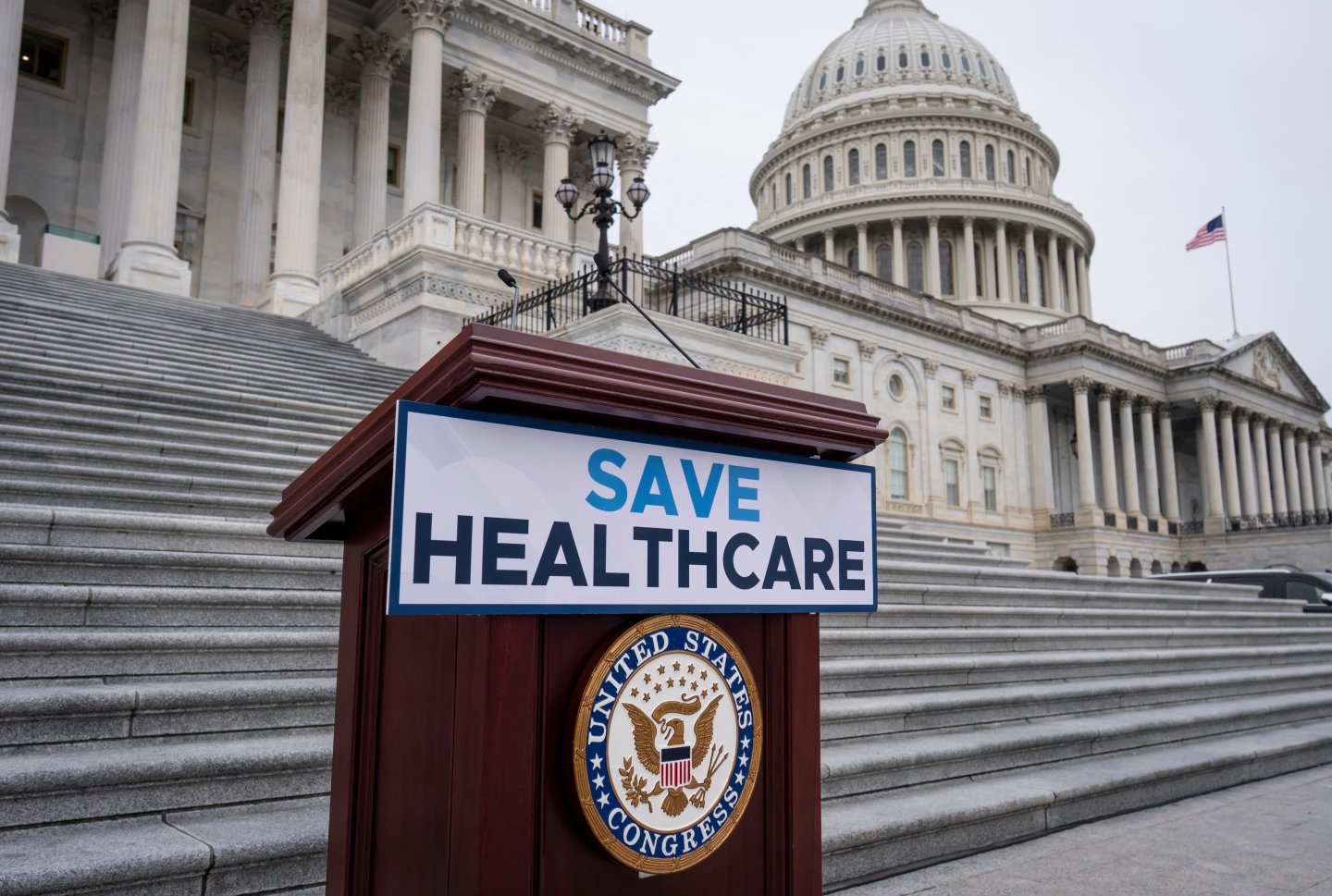
Critics argue the funding package prioritizes innovative solutions over sustaining existing hospitals, which already face a staggering projected loss of $137 billion in the coming decade. While some argue it provides a necessary boost, many believe it won’t turn the tide without additional support. The potential for losing local healthcare leads to deeper community anxieties surrounding access to quality care and raises essential questions as the country heads into upcoming elections.
Yet, the Saint Johns are now alarmed to learn that Avera Creighton Hospital is facing severe financial distress. A new $50 billion federal fund, intended to reshape rural healthcare, isn't enough to stave off the closures of many hospitals in similar situations across the U.S. The reality is dawning on families across rural America that this lifeline might not be as substantial as hoped.
Critics argue the funding package prioritizes innovative solutions over sustaining existing hospitals, which already face a staggering projected loss of $137 billion in the coming decade. While some argue it provides a necessary boost, many believe it won’t turn the tide without additional support. The potential for losing local healthcare leads to deeper community anxieties surrounding access to quality care and raises essential questions as the country heads into upcoming elections.