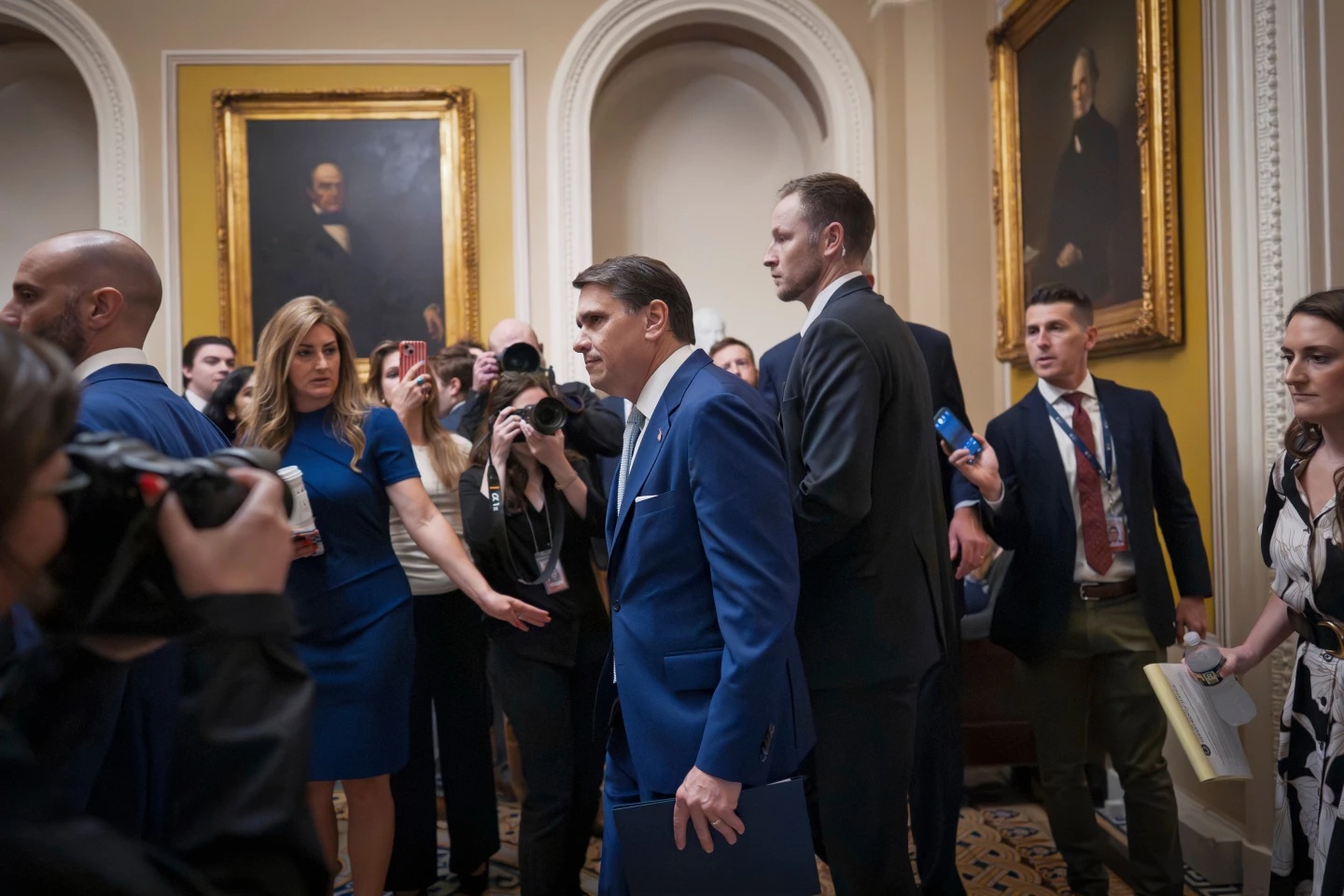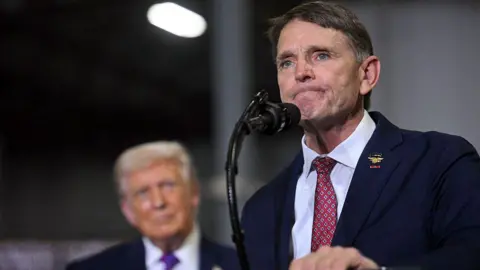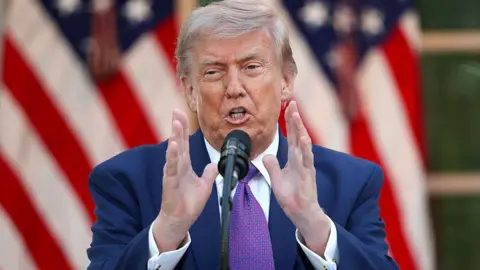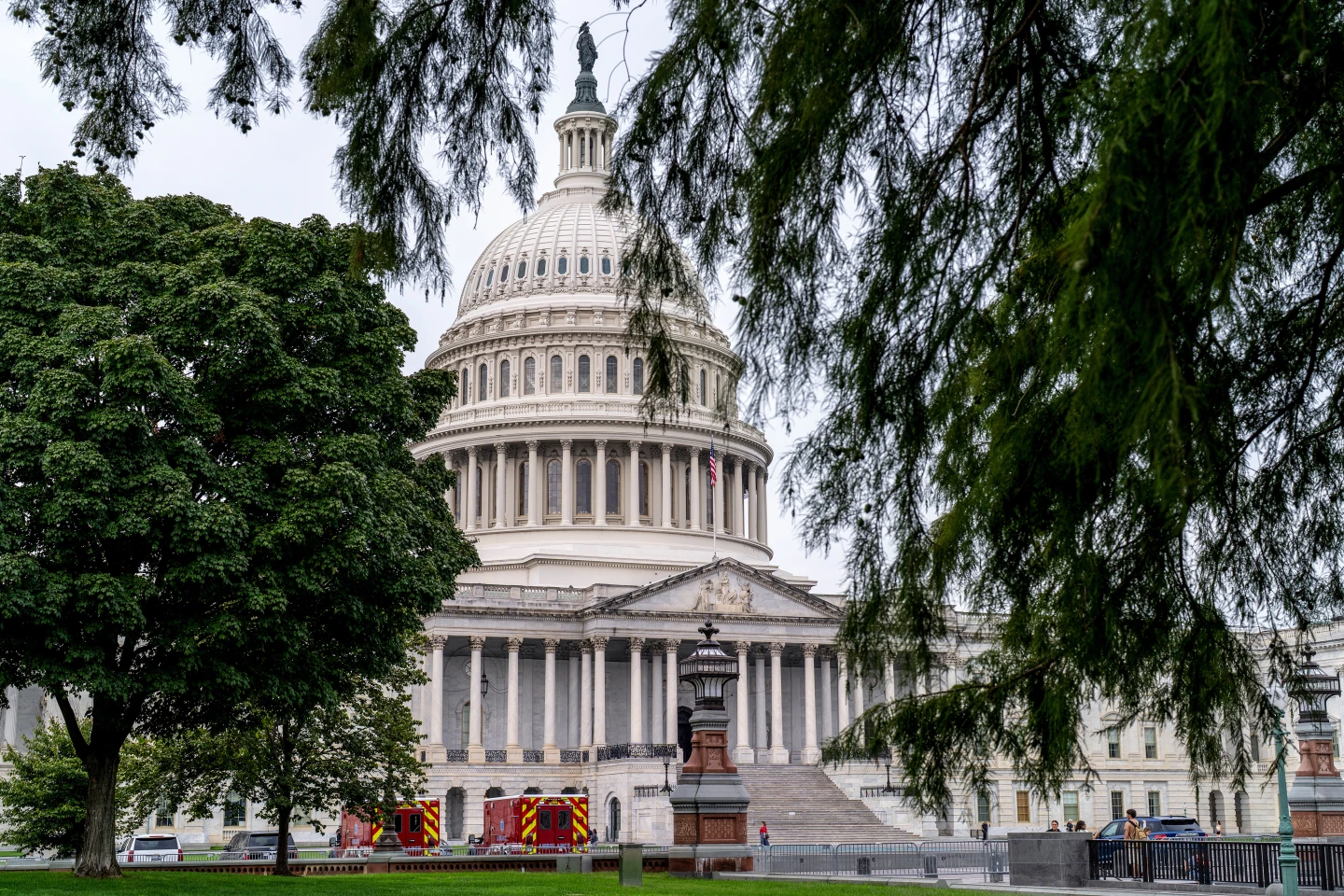
WASHINGTON – As we approach midnight, the chances of a government shutdown loom large, with Congress entangled in disagreements over funding and healthcare policies.
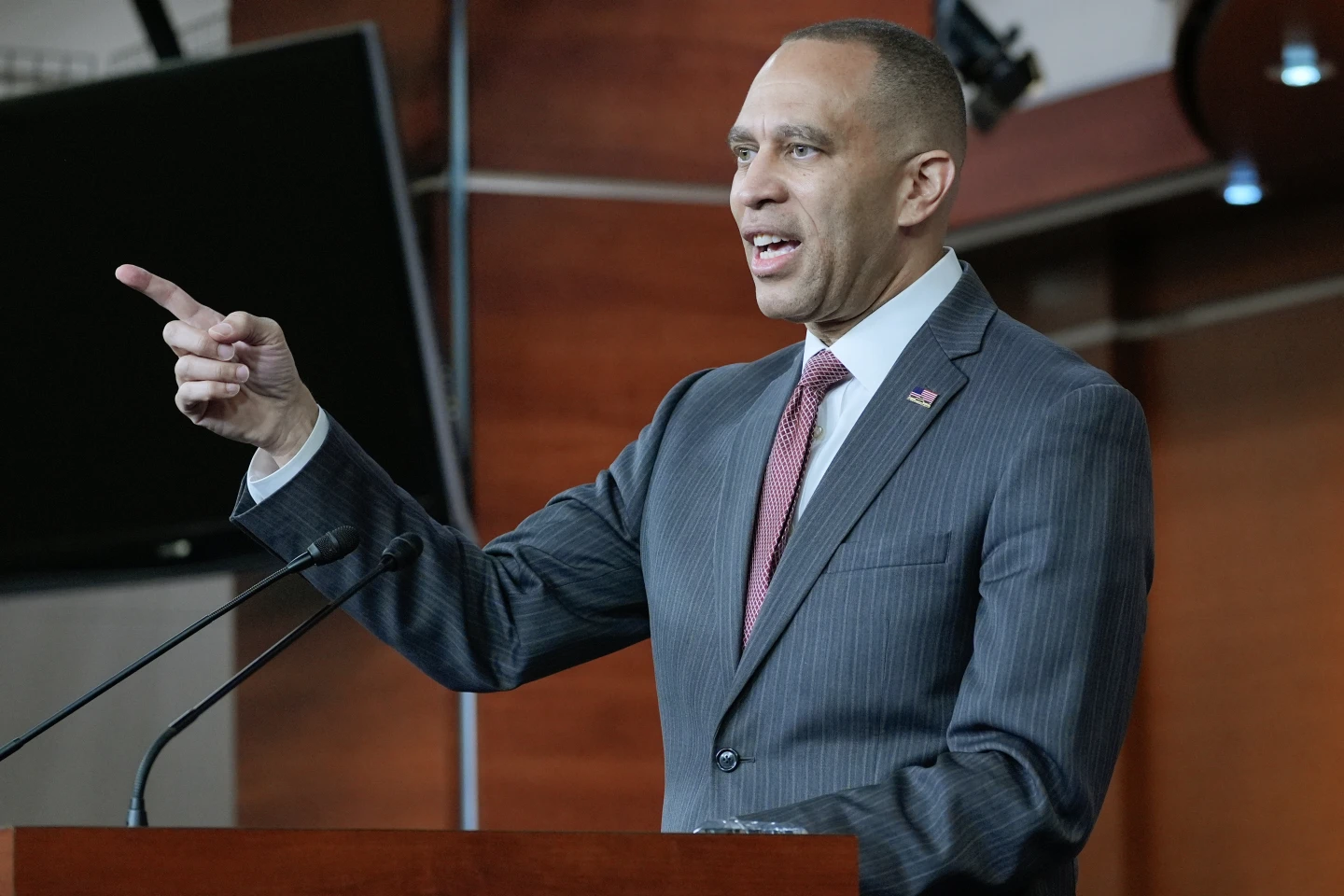
Republicans have proposed a short-term funding measure, but Democrats are firm in their demands, seeking healthcare provisions that address medication cuts and tax credits for health insurance. These disagreements leave negotiations at a standstill, creating uncertainty for federal workers and citizens alike.
What exactly happens during a shutdown? Most agency operations will pause, and 'non-excepted' employees will be placed on furlough. However, critical services — like air traffic control, FBI investigations, and military operations — will continue.
The good news for furloughed workers is that they are promised retroactive pay once Congress reaches a resolution. But the absence of paychecks could still cast a shadow over many families during this time. The U.S. Postal Service will remain operational, ensuring that mail continues to be delivered.
The impact of a short shutdown on the economy is likely minimal at first, but prolonged closures could lead to negative repercussions. Economists suggest decreased growth and rising uncertainty over government funding may arise if this deadlock stretches on.
Stay informed as we watch the situation unfold!