In brief
After the CIA chief’s visit to Moscow, Western officials say President Vladimir Putin is trying to avoid a direct war but is still using “hybrid warfare” to frustrate NATO. Russian drones have landed at German airports, raising alarms around Europe. While the Kremlin claims it has no plans to attack NATO land, the war inside Ukraine is costing Russia thousands of soldiers and straining its resources. The discussion highlights how Moscow’s strategy could push allies into a miscalculation and spark a larger conflict.
Russia Fires the Alarm
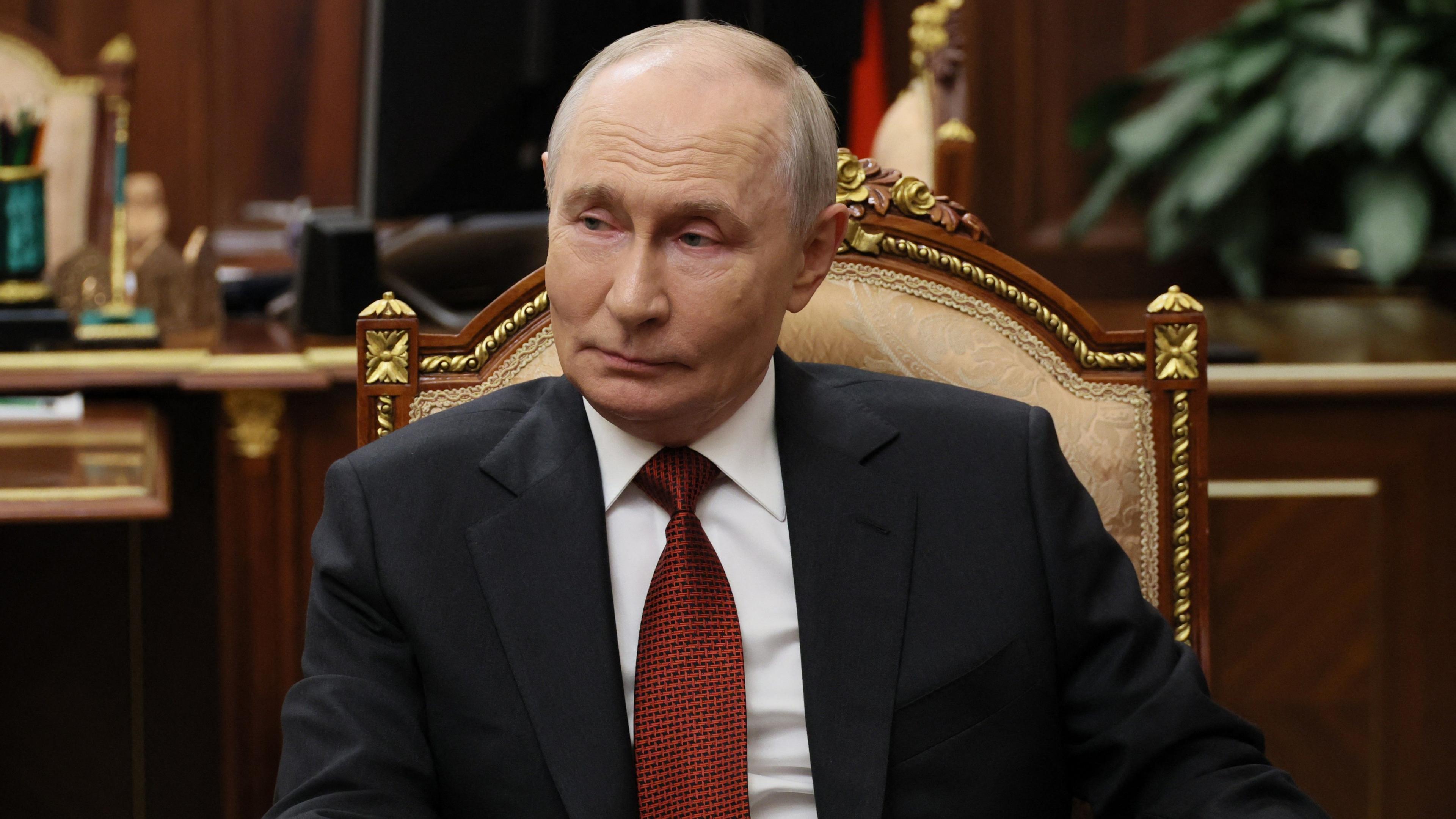
After a recent CIA chief’s unannounced talks in Moscow, Western officials warn that President Vladimir Putin’s growing threats at home are a tool to push NATO into a difficult position. They say Russia wants to avoid a direct clash, but it is still using what it calls “hybrid warfare” – cyber‑attacks, sabotage and even drone strikes – to shake allies that support Ukraine.
The tension is rising as drones loaded with explosives left a runway at Germany’s Leipzig airport, a major logistics hub for trucks heading to Ukraine. The incident added to a string of suspected Russian‑operated drone sightings over European military sites. None of the incidents have been conclusively linked to Russia, but the Kremlin’s denials have not cooled fears.
While Putin has denied any plans to attack NATO territory, Western strategists believe the Kremlin’s primary aim is to undermine confidence in the alliance’s support for Ukraine. They describe the “hybrid activity” as a way to test NATO’s limits and fear that a misstep could start a broader conflict.
Russia’s victories in eastern Donbas remain modest and costly. Official estimates show the country losing about six thousand soldiers a month – a number that puts strain on its recruitment and supplies. Yet there is no clear sign that Moscow will launch a full mobilisation yet.
Despite the rhetoric, NATO allies are staying prepared. The British Parliament has publicly ruled out giving the Russian threat any power to change its mind. Meanwhile, experts warn that even a small miscalculation in the hostile environment could tip the scale toward military confrontation.
Key takeaway: Russia’s warnings are more about psychological pressure than an outright attack - but the mix of drones and cyber‑attacks could still spark a larger crisis if NATO reacts too hastily.