In brief
Russian forces launched a devastating drone and missile attack on Odesa, killing 14 people and damaging civilian buildings, including a multi‑storey residential complex. Ukraine responded by striking 20 Russian vessels, notably 17 oil tankers, in the Black Sea, escalating the maritime conflict. At the same time, Ukraine’s political landscape shifted as the prime minister and defence minister resigned, leading to new appointments while President Zelenskiy stays silent. The UN Human Rights Monitoring Mission reported that long‑range weapons have been the main cause of civilian casualties, with 45% of deaths linked to missiles and drones. The conflict’s broader impact includes disruptions to grain shipments in the Sea of Azov and intensified clashes in Ukrainian ports.
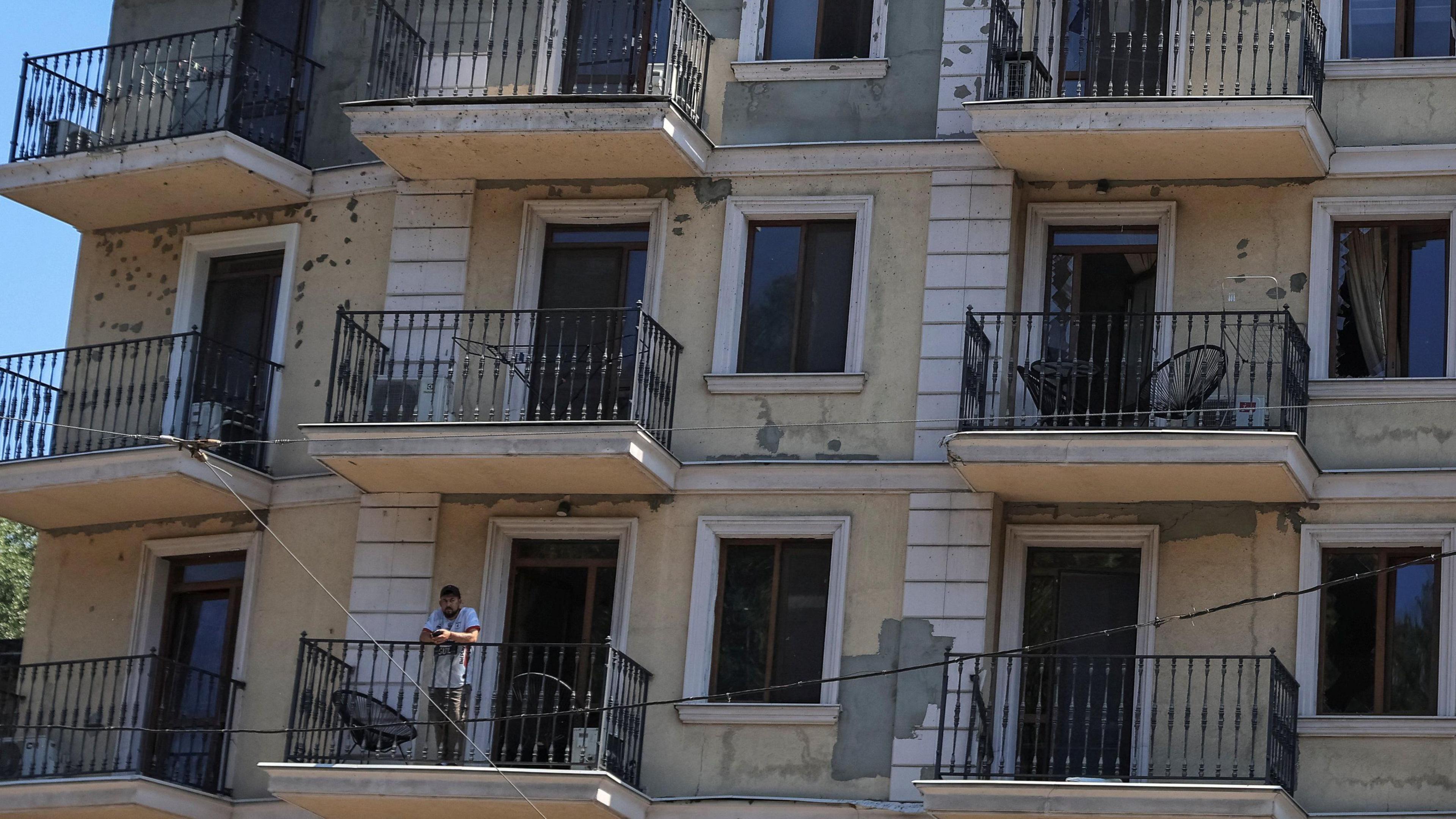
A drone‑driven missile slammed into a residential building in Odesa overnight, killing three people and injuring many others, officials said.
The Russian strike is the fifth day of attacks on the port, which hosts vital grain and oil cargo. The damage includes a non‑residential building and a gas pipeline, and residents were wounded when a missile pierced a multi‑storey apartment block.
In retaliation, Ukrainian drones hit 20 Russian vessels in the Black Sea, 17 of them oil tankers, sending the attack into a new high‑stakes maritime battle.
The United Nations Human Rights Monitoring Mission in Ukraine said that long‑range weapons like drones and missiles caused the leading share of civilian casualties in June, accounting for 45% of deaths.
Politically, Ukraine is in turmoil: Prime Minister Yulia Svyrydenko resigned after less than a year, and Defence Minister Mykhailo Fedorov also stepped down. Parliament is poised to appoint a new prime minister, possibly Naftogaz head Serhiy Koretskyi.
European leaders, including EU Commission President Ursula von der Leyen, are touring Kyiv to discuss defence cooperation and Ukraine’s path to EU membership amid this tense period.