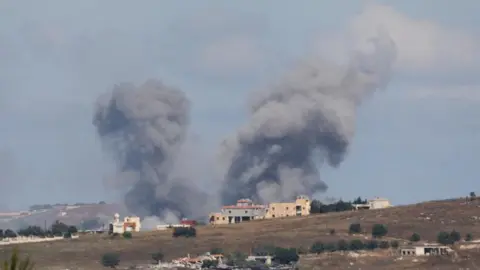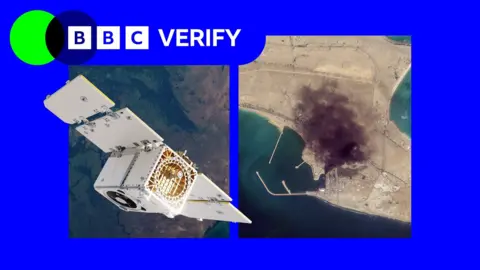
Humanitarian organisations and journalists have expressed concerns after a leading satellite imagery company, Planet Labs, announced it would restrict access to images of Iran and large parts of the Middle East due to a request from the US government. Initially, the California-based company imposed a 14-day delay on the release of new imagery from the region in March, which has since evolved into an indefinite restriction. This decision significantly impedes how journalists and humanitarian groups can evaluate the consequences of the ongoing US-Israel conflict with Iran, especially regarding damage to military targets and civilian infrastructure. The US Department of Defense has not commented on the reasons for pressing Planet to suspend its coverage.
Planet Labs noted it wants to prevent its imagery from being exploited by adversaries, stating that its transition to a system of "managed distribution" involved selectively sharing images until the perceived security risks diminish. However, the exact nature of the restrictions remains vague, with the limitations seemingly affecting much of the Middle East, including Iraq, Lebanon, Israel, and Gaza.
Experts have voiced concerns that these voluntary compliance requests might be influenced more by commercial incentives than by legal obligations, casting doubts on the autonomy of companies like Planet that hold military contracts. The absence of routine access to timely satellite images restricts the ability of humanitarian organizations to plan evacuations, evaluate damage, and coordinate aid delivery effectively.
With increasing reliance on satellite imagery, especially in conflict zones where direct access is perilous, such restrictions threaten not just journalistic integrity but also humanitarian efforts on the ground. The trend toward limited accessibility raises significant implications for transparency in military strategies and highlights the evolving dynamics between private firms, government relations, and the inherent challenges faced in conflict reporting.
Planet Labs noted it wants to prevent its imagery from being exploited by adversaries, stating that its transition to a system of "managed distribution" involved selectively sharing images until the perceived security risks diminish. However, the exact nature of the restrictions remains vague, with the limitations seemingly affecting much of the Middle East, including Iraq, Lebanon, Israel, and Gaza.
Experts have voiced concerns that these voluntary compliance requests might be influenced more by commercial incentives than by legal obligations, casting doubts on the autonomy of companies like Planet that hold military contracts. The absence of routine access to timely satellite images restricts the ability of humanitarian organizations to plan evacuations, evaluate damage, and coordinate aid delivery effectively.
With increasing reliance on satellite imagery, especially in conflict zones where direct access is perilous, such restrictions threaten not just journalistic integrity but also humanitarian efforts on the ground. The trend toward limited accessibility raises significant implications for transparency in military strategies and highlights the evolving dynamics between private firms, government relations, and the inherent challenges faced in conflict reporting.