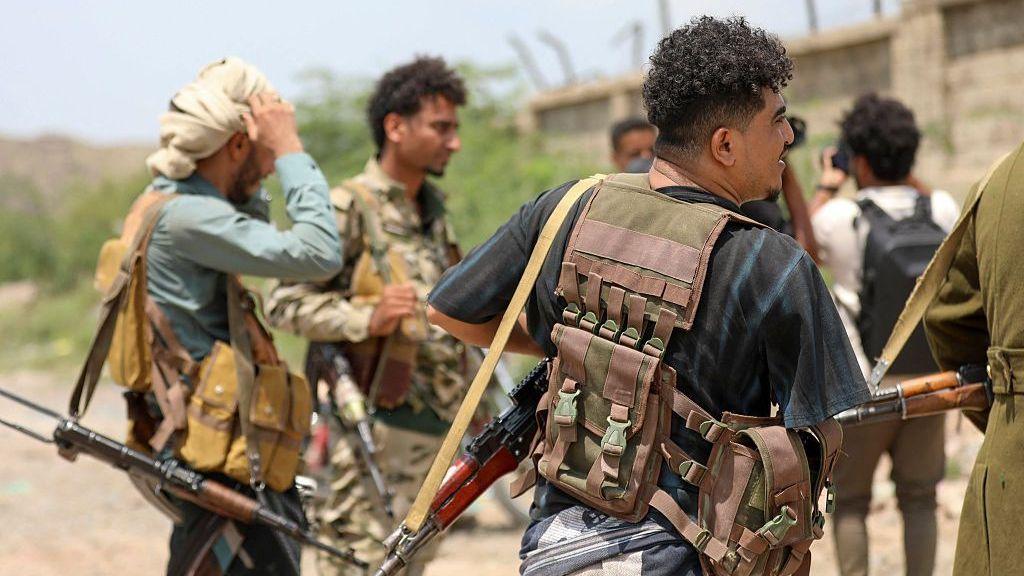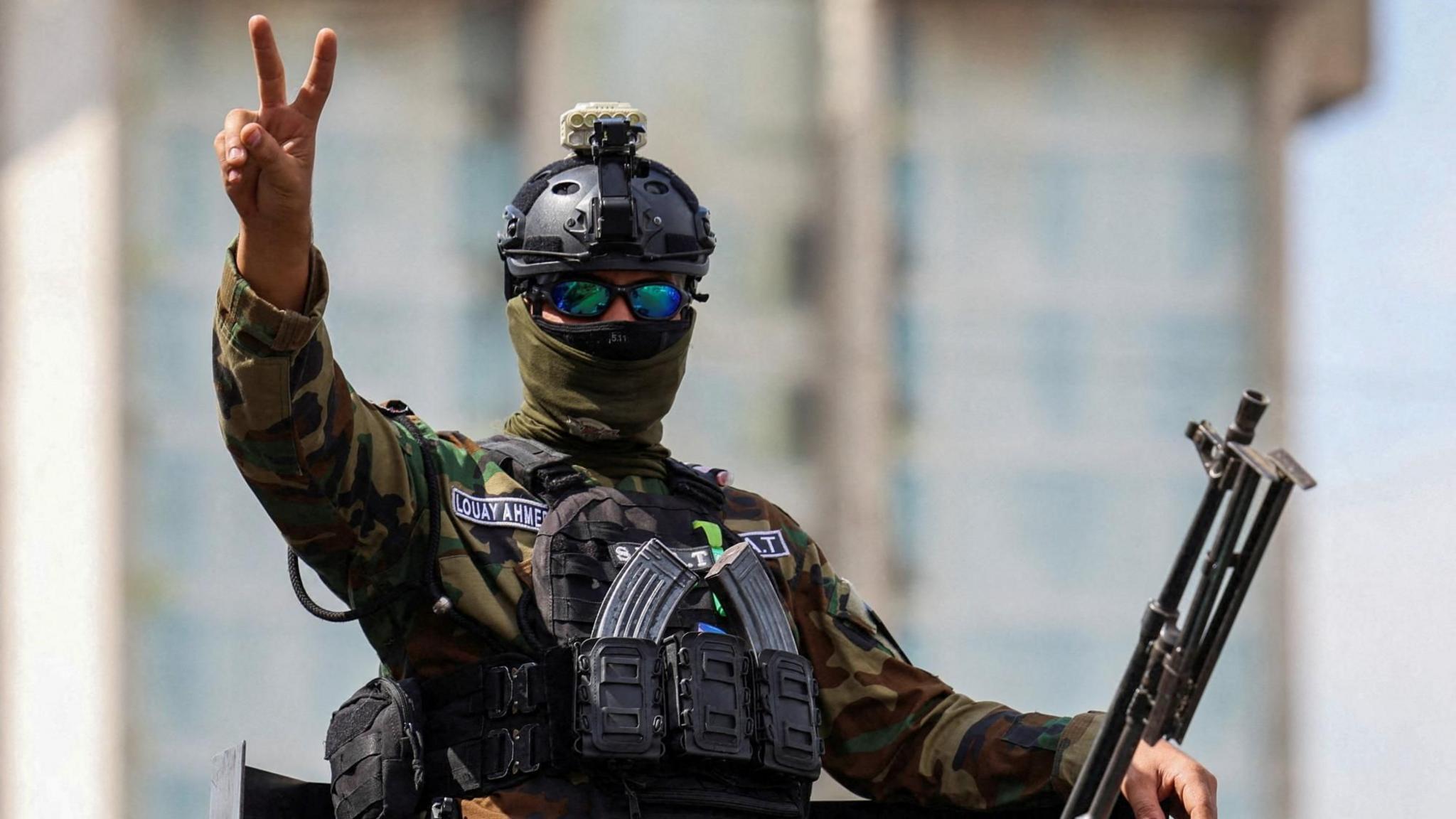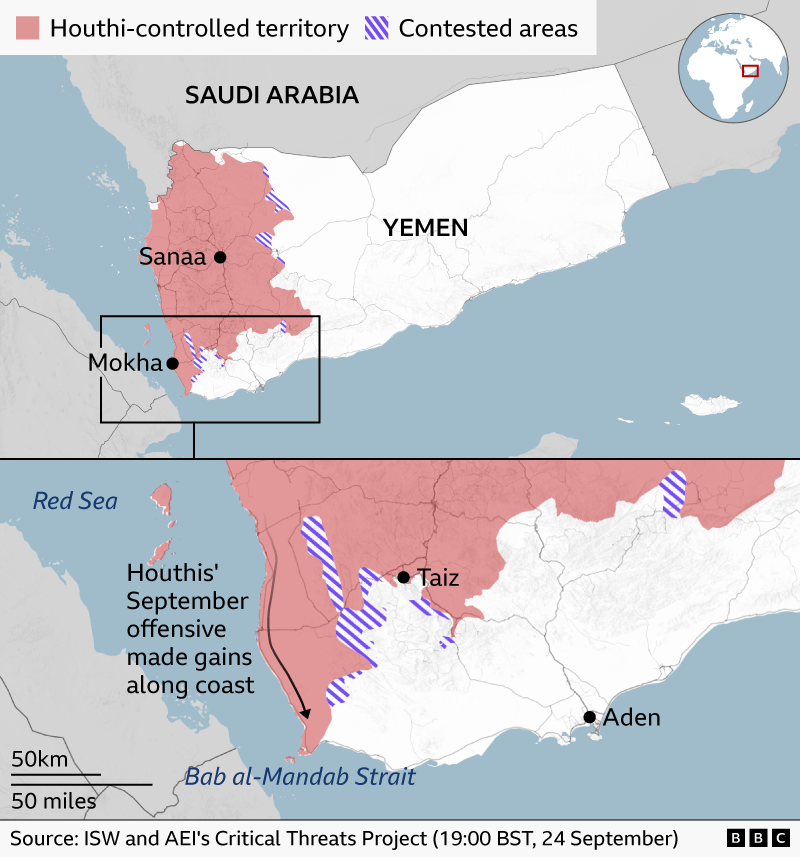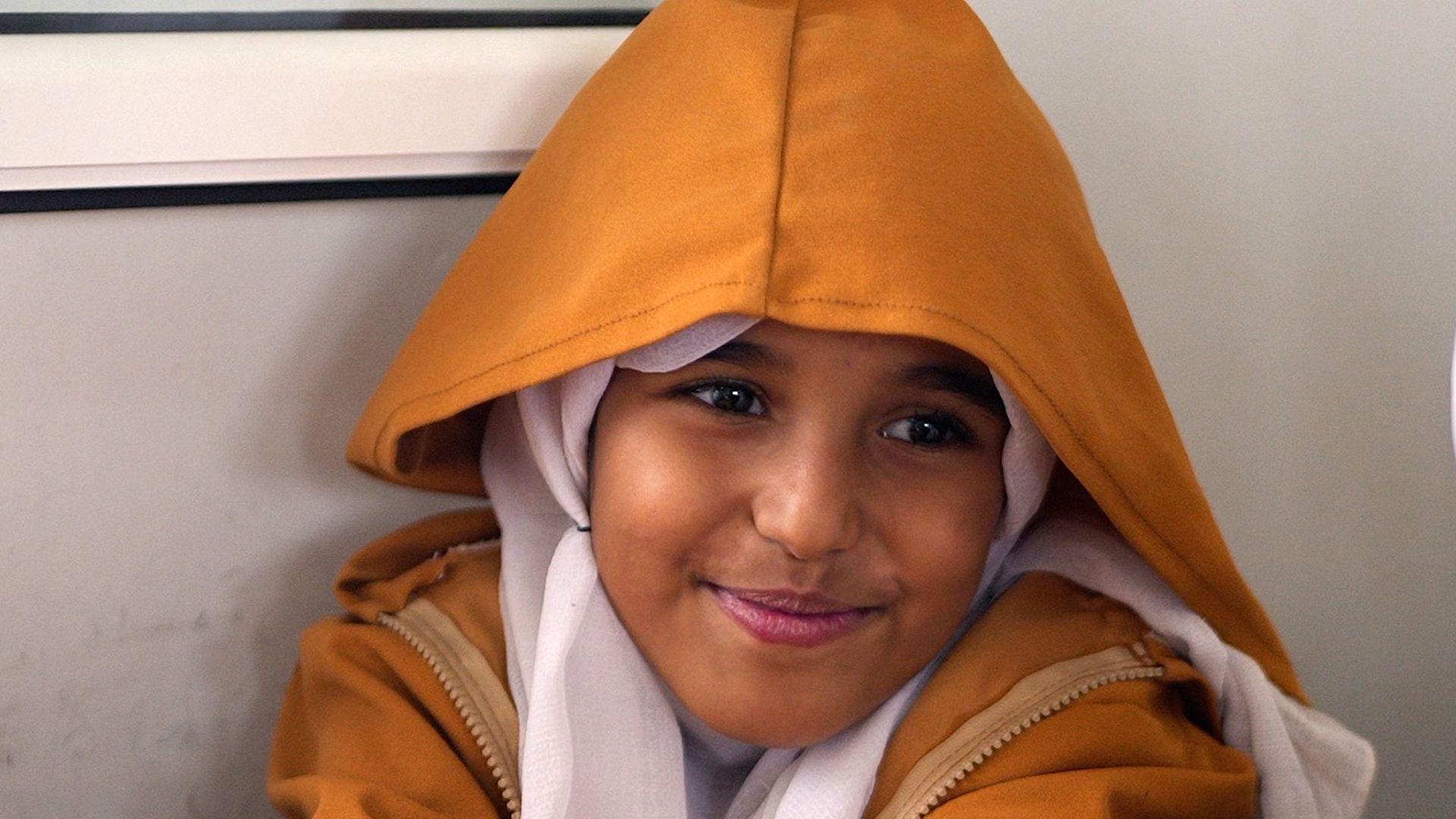
Every morning at 6am, 10‑year‑old Rafeef puts on her cream‑and‑brown uniform and hikes uphill toward her school, which sits on a mountaintop in Taiz, Yemen. Her route takes her past open valleys where government soldiers and Houthi snipers sit on either side, the calm of a typical classroom replaced by the rattle of distant artillery and the sudden roar of mortar shells.
‘The journey is scary,’ Rafeef says, but the thought of missing her friends and the school day keeps her pulling her ankle up the steep slope. Her brother, who is a few years younger, follows closely behind, holding his book bag tightly while the wind howls over the valley.
The conflict that has blighted Yemen since 2014 has turned the rear side of Taiz into a ‘no‑man’s land,’ where artillery can strike at any moment. UNICEF reports that roughly 3.2 million Yemeni children were already out of school before the war escalated, and many more have been killed, maimed or forced to join armed groups.
Rafeef has survived a mortar hit on her family home two years ago, and her arm was shattered and still bears a scar. She now smiles at the camera on the school’s rooftop, but her eyes say she fears each day she walks toward a classroom that may still be under fire.
She dreams of becoming a doctor one day, hoping that education will give her the tools to ease her community’s suffering. For now her only safe space is the brief moment when she can sit at a desk, look at a blackboard, and remember that a future free from war is possible.