Sir Keir Starmer has apologised to the victims of Jeffrey Epstein for believing Lord Mandelson's 'lies' and appointing him as the UK's ambassador to the US. The prime minister began a planned speech on funding to improve local communities by addressing the growing anger over how he had dealt with the issue. While he acknowledged it had been publicly known for some time that Lord Mandelson knew Epstein, he said: 'None of us knew the depths and the darkness of that relationship.' However, Conservative leader Kemi Badenoch said the PM's position was 'untenable', while the Liberal Democrats called for a confidence vote to see if Labour MPs supported him. The prime minister is facing calls from some of his own MPs to stand down. Sir Keir's former political director Luke Sullivan said he thought the PM was 'fighting for his premiership'. Seeking to defuse the row in a speech earlier, Sir Keir said he regretted appointing Lord Mandelson and would not have done so if he had known what he knows now. Directly addressing Epstein's victims, he said: 'I am sorry, sorry for what was done to you...' Sir Keir has promised to release files which he says will prove Lord Mandelson lied about his relationship with Epstein while being vetted for the US ambassador role. Despite the controversy, the PM affirmed his commitment to change the country for the better.
Sir Keir Starmer Apologizes to Epstein Victims Amid Controversy
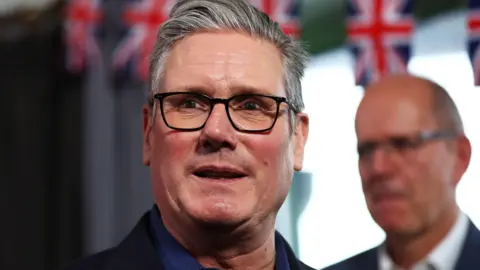
Sir Keir Starmer Apologizes to Epstein Victims Amid Controversy
In a recent speech, Prime Minister Sir Keir Starmer expressed regret over his past decisions linked to the Jeffrey Epstein case, admitting to believing lies from Lord Mandelson, which have led to calls for his resignation.
In a significant address addressing community funding, Prime Minister Sir Keir Starmer apologized to Jeffrey Epstein's victims for believing Lord Mandelson’s misleading claims and appointing him as the UK ambassador to the US. Opposition leaders have criticized Starmer's handling of the matter, with calls for a confidence vote over his leadership amidst growing skepticism from his own party members. Starmer recognized the public anger and distress caused by the issue, promising greater transparency in future dealings.