In brief
A Saudi national once employed by OpenAI is accused of secretly installing an audio recording device in a meeting room, prompting an FBI arrest in October. Court documents allege the engineer had strong ties to the Saudi royal family and was supported by Saudi officials, including a one‑way flight paid by a military officer. The case raises concerns over national security and international spill‑over as the suspect faces up to five years in prison. While investigations continue, the drama highlights the tense intersection of AI, espionage, and geopolitics.
What Went Down
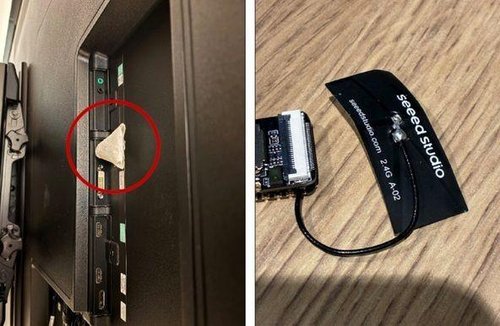
In September, OpenAI’s security team discovered a tiny audio recorder hiding behind a TV in a conference room. The device was wrapped in toilet paper to avoid detection.
A 35‑year‑old engineer, Abdulrahman Alfozan, was identified as the culprit. He had worked at the company for about a year and is now facing a federal investigation.
Saudi Ties Revealed
Court filings claim Alfozan had frequent contact with a member of the Saudi royal family and that a Saudi military officer paid for a one‑way flight for the engineer’s wife and son to Doha.
According to prosecutors, Alfozan was set to leave San Francisco for Riyadh on a one‑way ticket right after his arrest. That flight was allegedly booked by the same officer, suggesting a planned exit strategy.
Legal Fallout
If convicted, he could spend up to five years in prison and face a $250,000 fine.
The FBI is still probing the incident, and Alfozan is due to appear in federal court in San Francisco next week.
Why It Matters
The case blends tech innovation and international intrigue, raising questions about how AI companies safeguard confidential conversations and how governments might use tech talent for espionage. It’s a reminder that even the brightest minds can double‑cross—and that governments can add a twist.