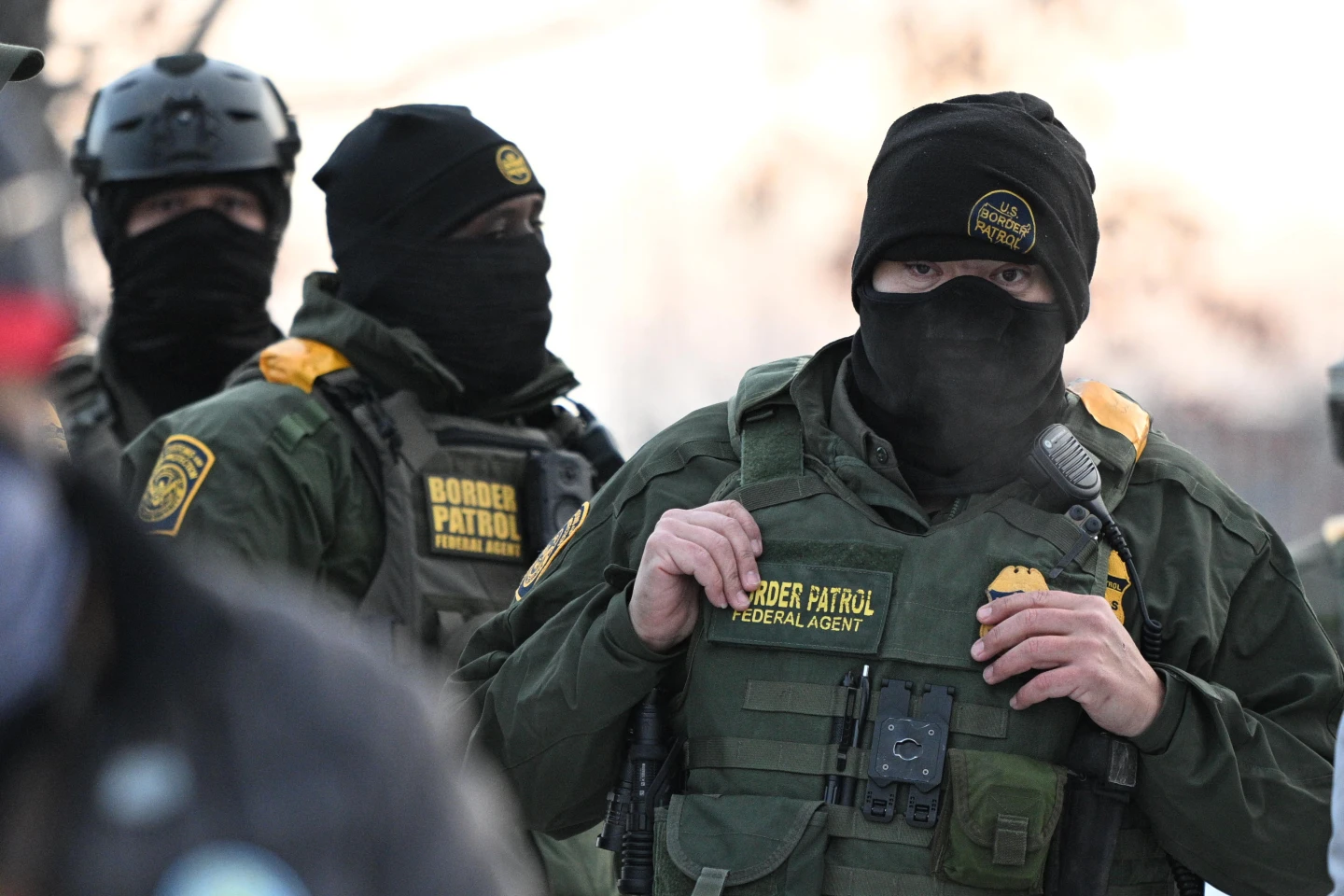
Proposals to prohibit federal immigration agents from masking their faces have gained new life in states — thanks in part to a court ruling that blocked the nation’s first such law, in California.
A little over a month after the California law was suspended, Washington state’s Democratic governor, Bob Ferguson, was set to sign a law limiting facial coverings on law enforcement officers. This movement could spread to other states.
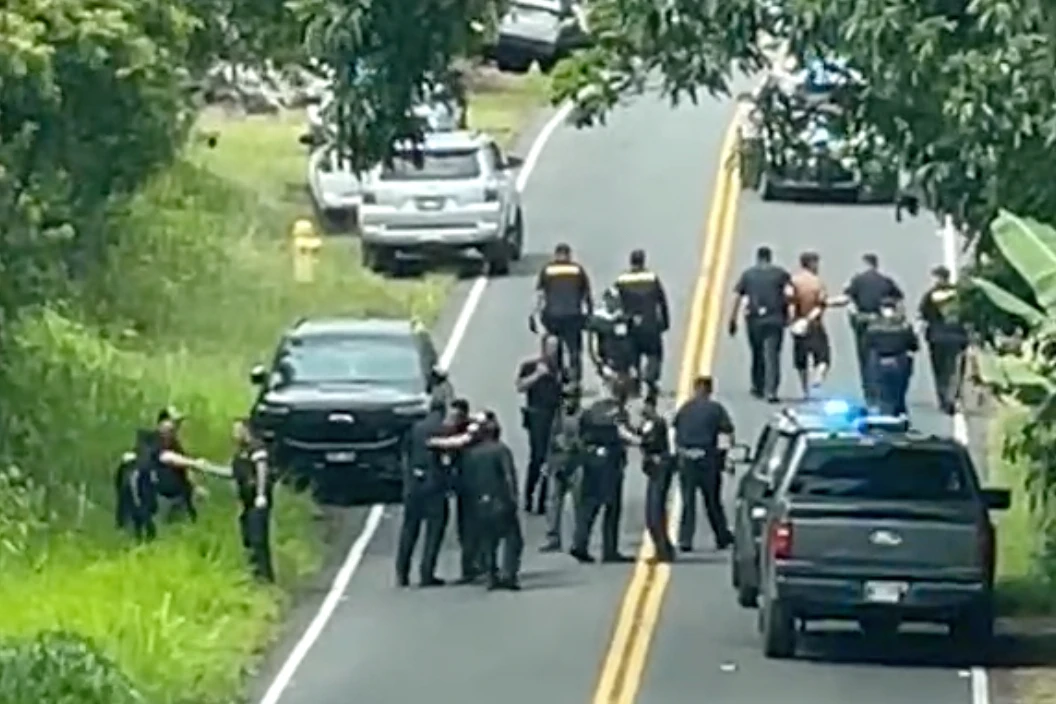
Similar bills in Oregon and Virginia have also gained approval in Democratic-led legislatures, and measures in states like Hawaii and Vermont are progressing through legislative chambers. These proposals counter President Donald Trump’s immigration enforcement tactics, where federal agents sometimes wear masks, raising concerns about aggressive actions taken without accountability.
The Department of Homeland Security criticized Washington’s new measure, calling it “irresponsible” and stating they would not abide by the ban, claiming unconstitutional implications.
However, a judicial ruling in February opened the door for states to reconsider their stance on face coverings, highlighting that California’s previous ban discriminated against federal officials while leaving room for states to push for more comprehensive laws that would apply to all law enforcement officers.
Reason Behind Mask Restrictions
The push for restrictions gained traction when federal officers used masks during large-scale enforcement actions in Los Angeles. California was the frontrunner, initiating efforts to identify federal agents during such interactions to bolster accountability and public trust.
Bridget Lavender, an attorney, remarked that the California decision acted as a catalyst for other states contemplating similar legislation.
Consequences and Enforcement
The measures being proposed largely allow for public lawsuits against masked officers, with specific penalties yet to be established. In Virginia, restrictions are more stringent, introducing criminal penalties for non-compliance.
As this issue unfolds, debates are arising, reflecting the balance between officer safety and public accountability. Each state navigates its unique context, sparking nationwide discussion on the role of law enforcement in society.
Amid this tension, the diverging opinions on whether law enforcement should wear masks continue to fuel state-level debates about identity and public trust.