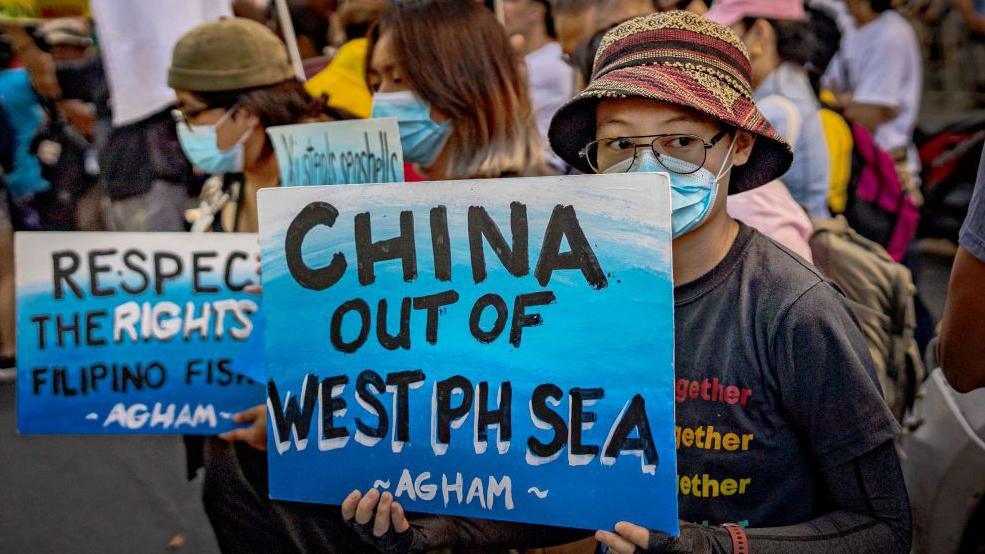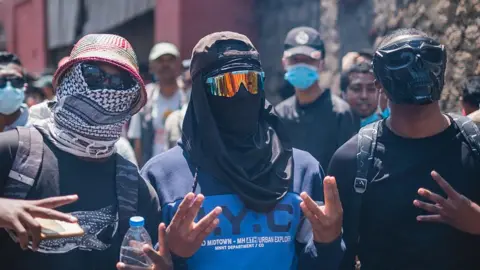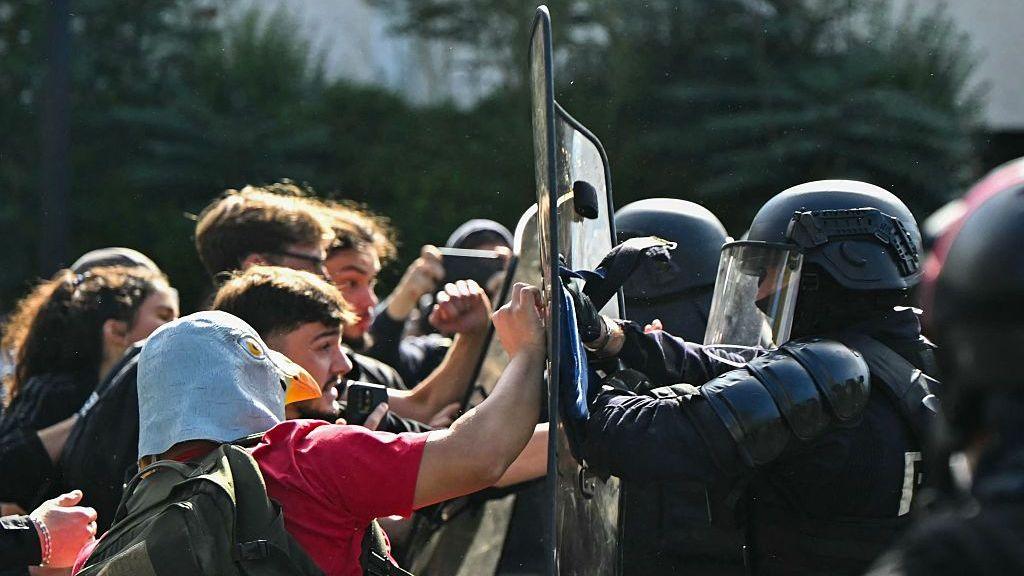
Late September saw a surge of French teenagers blocking their schools, protesting over cramped classes, a shortage of teachers, and heat‑wave‑caused sweltering classrooms. By early October, the protests had spread to every corner of France, with thousands of lycées shut down and even universities joining the revolt.
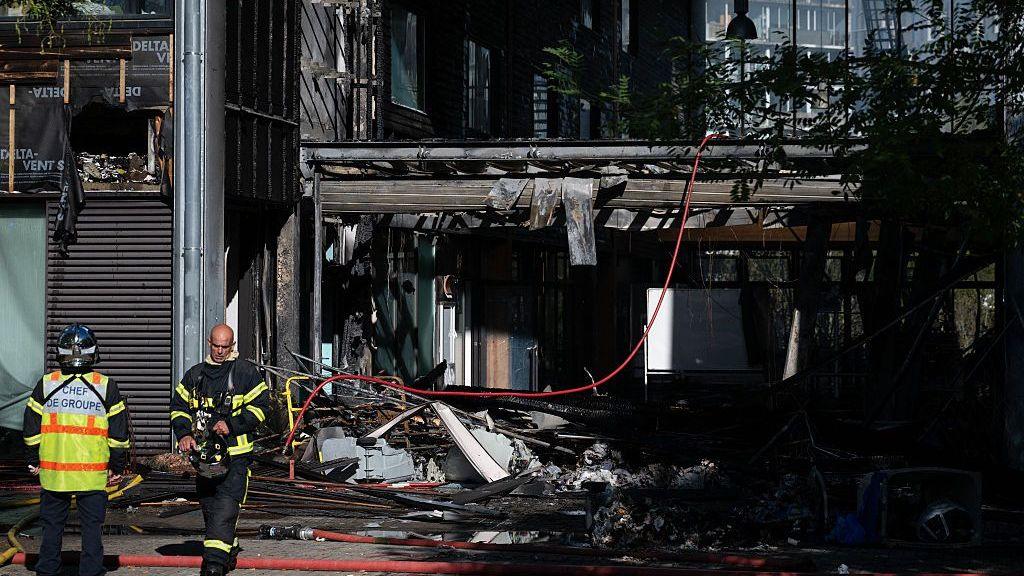
Political and police tensions escalated quickly. Streets burned and windows crackled as fire set to school gates marched through the night, and dozens of teachers – including 40 school heads – were injured when beam‑wreckage or slippery floors turned chaotic. Meanwhile, 300 police and firefighters were treated for injuries and around 2,000 young people were taken into custody.
Opponents of the protests see the crisis as political chess. The far‑left France Unbowed party, led by presidential candidate Jean‑Luc Mélenchon, has been accused of fueling the unrest to rally a teenage base that normally abstains from elections. LFI has repeatedly defended its support, telling students to avoid violence while continuing to lend moral backing.[/p]
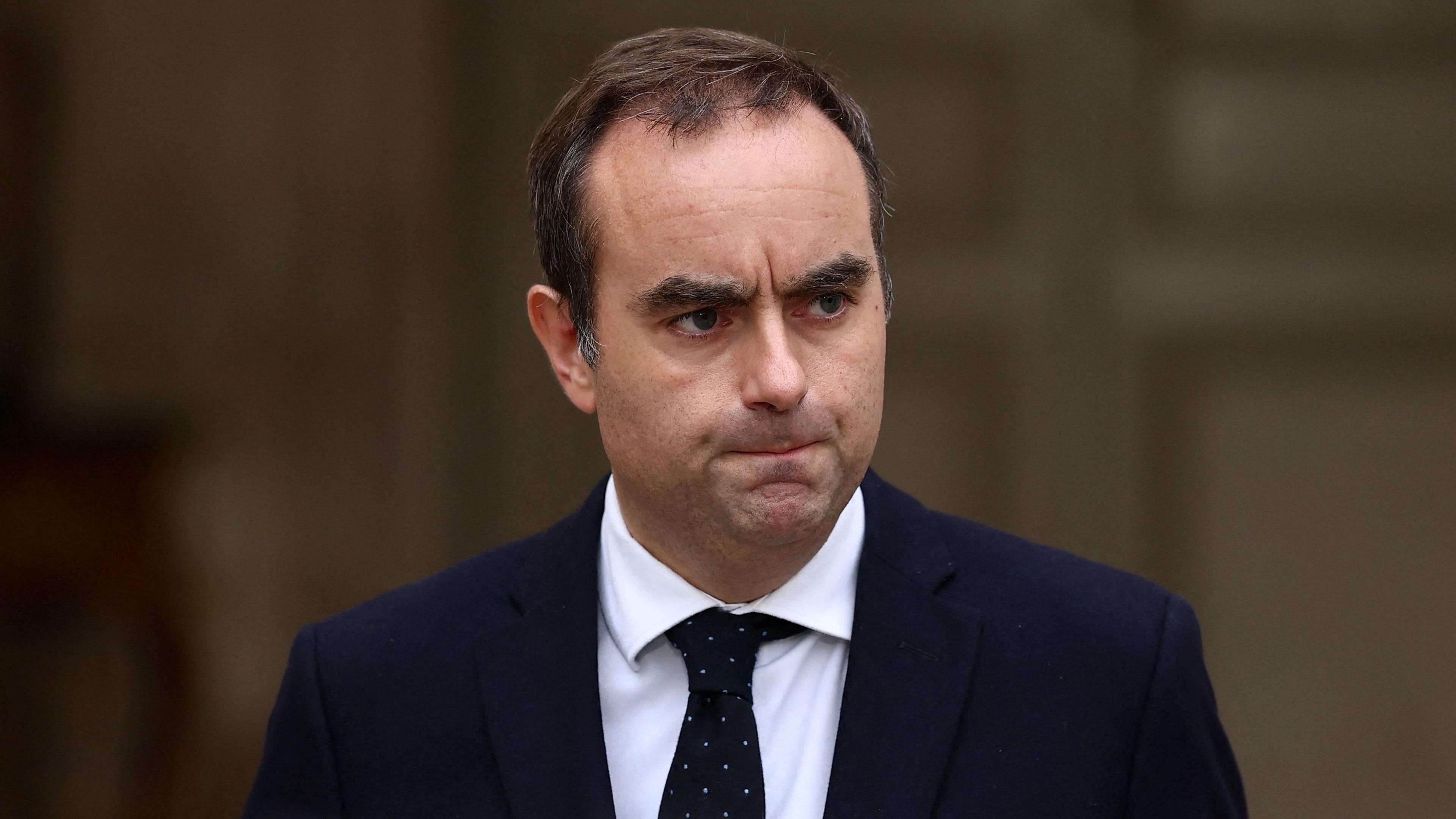
Budgets are in the spotlight as Prime Minister Sébastien Lecornu drafted a 2027 plan featuring over €50bn in cuts. With a popular election loomed, many fear the clash between youths vying for a better education system and a government eager to contain upheavals could push France into an unstable state. The flared protests may be the sign foetus of a deeper divide on election day, threatening a future where the younger generation’s voices are either amplified or silenced.