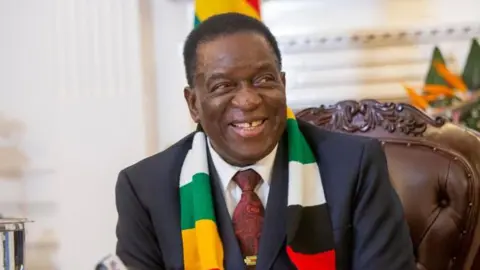
Zimbabwe MPs Pass Bill to Extend President’s Term to 2030
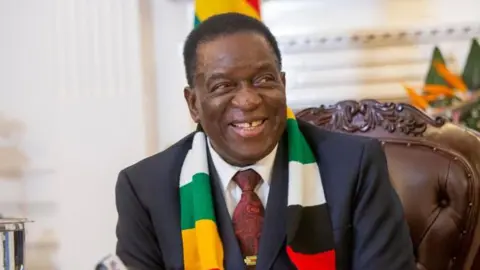
The lower house of Zimbabwe’s parliament has approved a bill that would let President Emmerson Mnangagwa stay in power until 2030, extending presidential terms from five to seven years.
216 lawmakers voted in favour of the draft, surpassing the two‑thirds majority required to amend the constitution. Forty‑two members opposed the legislation.
The bill would also abolish direct presidential elections. Instead, the next president would be chosen by parliament.
Key provisions of the amendment include:
- Scrap of presidential elections held since 1990
- Parliament elects future presidents
- Presidential and parliamentary terms extended to seven years
- Parliamentary elections delayed from 2028 to 2030
- President Mnangagwa remains in office until 2030, despite his second term ending in 2028
Mnangagwa, 83, took power in 2017 after ousting long‑time ruler Robert Mugabe with military support, and won disputed elections in 2018 and 2023.
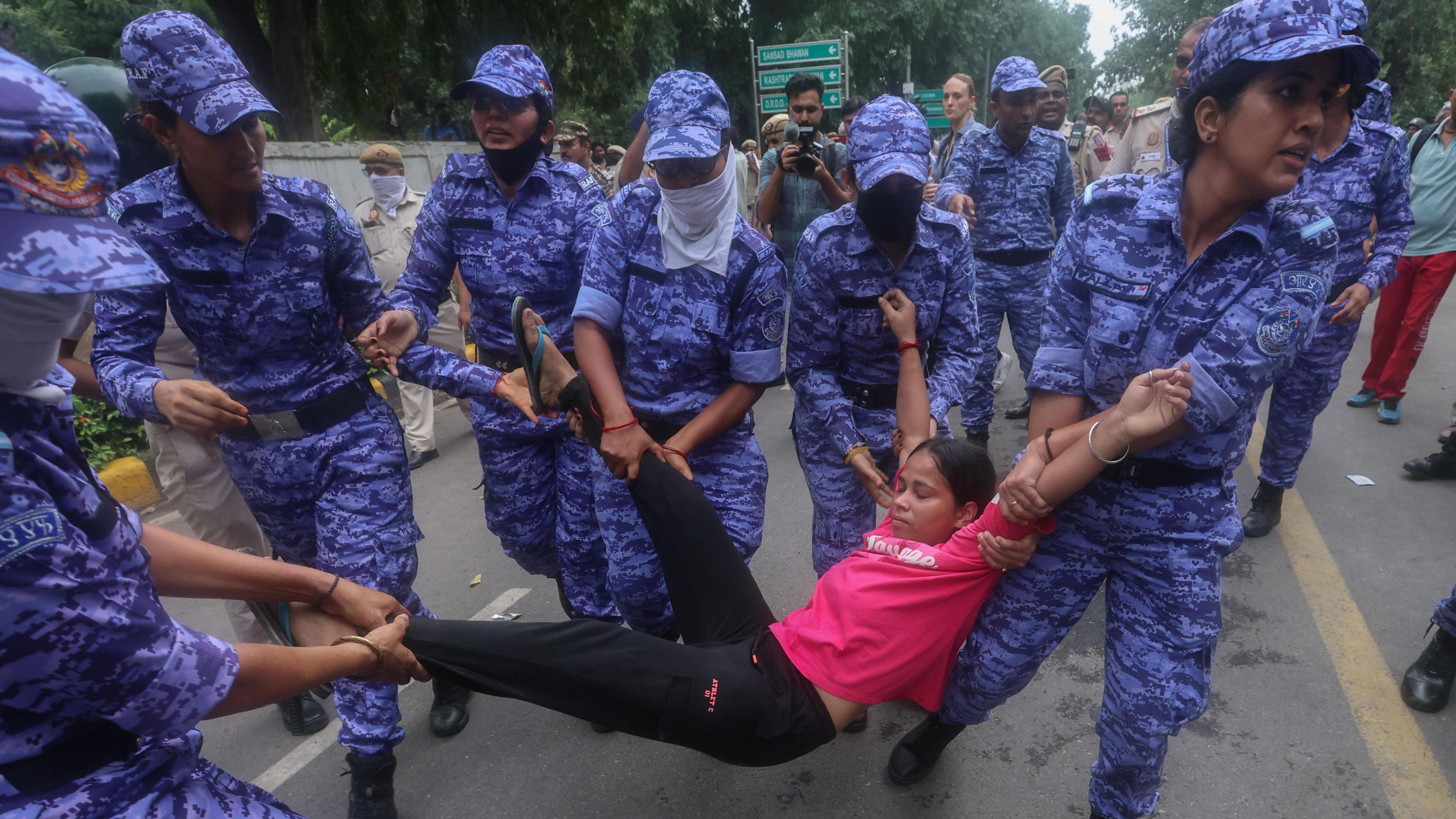
Opposition parties, civil‑society groups and constitutional lawyers argue that fundamental changes should be put to a national referendum rather than solely through parliament. A recent court decision dismissed a legal challenge that had sought to halt the bill.
Supporters claim the changes are necessary for continuity and stability, while critics warn they could weaken democratic accountability. The amendment now heads to the senate for a final vote before being enacted by the president.