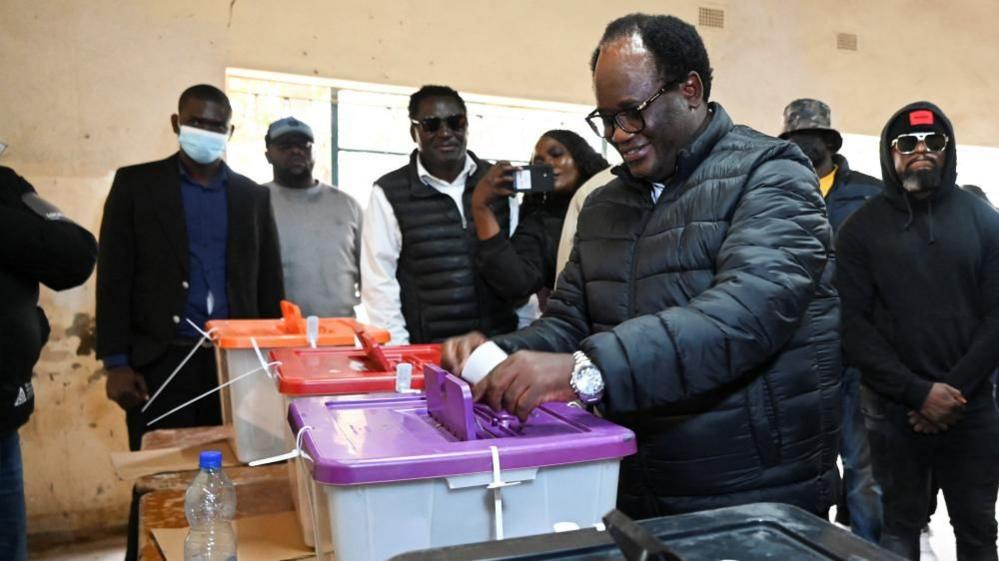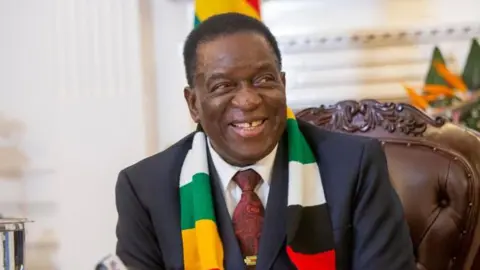
In a move that will keep the 83‑year‑old president in power for another two years, Zimbabwe’s lower house voted to amend the constitution and extend presidential terms from five to seven years.
The bill also scrapped direct presidential elections and gave parliament the power to choose the next president. More than 200 lawmakers voted for the change, exceeding the two‑thirds threshold needed for a constitutional amendment while 42 voted against it.
Mnangagwa took power in 2017 after ousting former leader Robert Mugabe and won disputed elections in 2018 and 2023. Opponents fear the changes undermine democratic accountability; supporters argue they bring stability and continuity.
The bill will next go to the Senate for a final vote before the president can sign it into law. A legal challenge that sought to block the amendment was dismissed by the Constitutional Court last week.
If passed, the change would delay Zimbabwe’s next parliamentary elections from 2028 to 2030 and allow Mnangagwa to stay in office until the end of the extended term, presenting a significant shift in the country’s political future. The move sparks intense debate across the African continent about the balance between strong leadership and democratic principles.