Zimbabwe President's Term in Question: A Push for Extended Rule
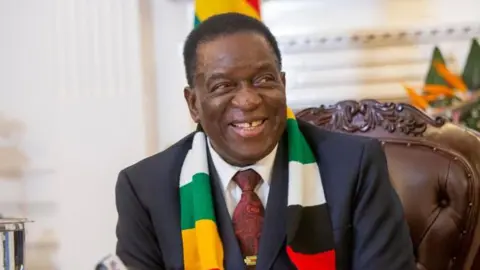
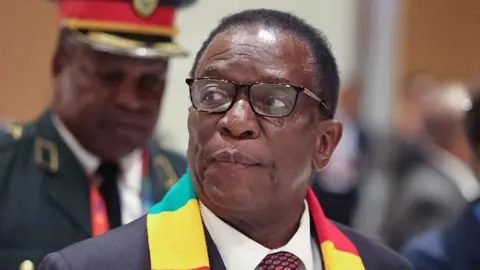
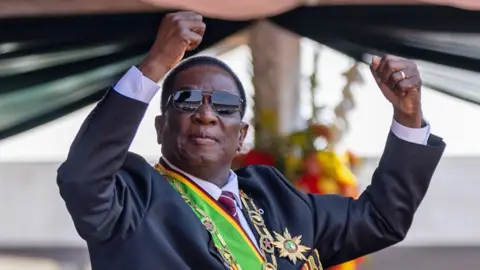
Zimbabwe's cabinet has approved draft legislation that would allow President Emmerson Mnangagwa, 83, to extend his stay in office until at least 2030.
Presidents would be chosen by MPs rather than in a direct vote and could serve a maximum of two seven-year terms, rather than the current five-year terms, under the new proposals.
Justice Minister Ziyambi Ziyambi stated that public consultations would occur before the bill is submitted to parliament for debate, where the ruling Zanu-PF party holds majority control.
However, legal experts likely foresee challenges, arguing that a referendum is necessary for changing term limits and pointing out that such amendments cannot directly benefit a sitting president.
Mnangagwa first took power in 2017 following a military coup that ousted Robert Mugabe, after which he won presidential elections in 2018 and 2023, although the latter's results were contested. His political acumen has earned him the nickname "the crocodile."
Previously, over 13 years ago, Zimbabweans voted overwhelmingly for a constitutional change that introduced presidential term limits, combating the entrenched rule observed under Mugabe.
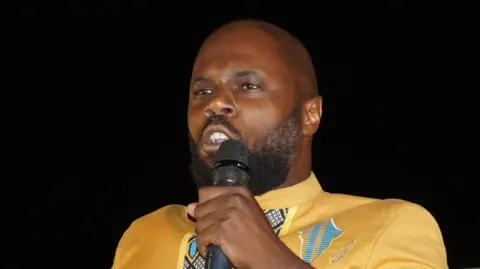
Speculations around Mnangagwa's desire to remain in power beyond 2028 have surfaced since two years ago, with chants among his supporters for him to lead until 2030. Despite public denials, internal struggles and opposition have emerged, especially following the recent death of a prominent critic within his party.
As discussions progress, the government underscores that the intention behind the draft law is to strengthen governance and ensure political stability in Zimbabwe.