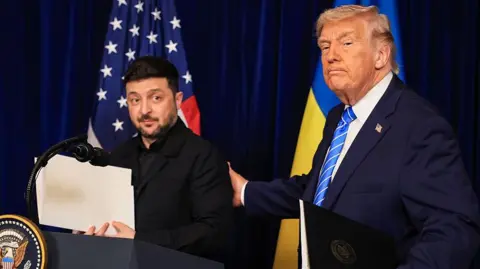
Russia, the US and Ukraine agree that a deal on ending almost four years of full-scale war is edging closer but, in the words of President Donald Trump, 'one or two very thorny, very tough issues' remain.
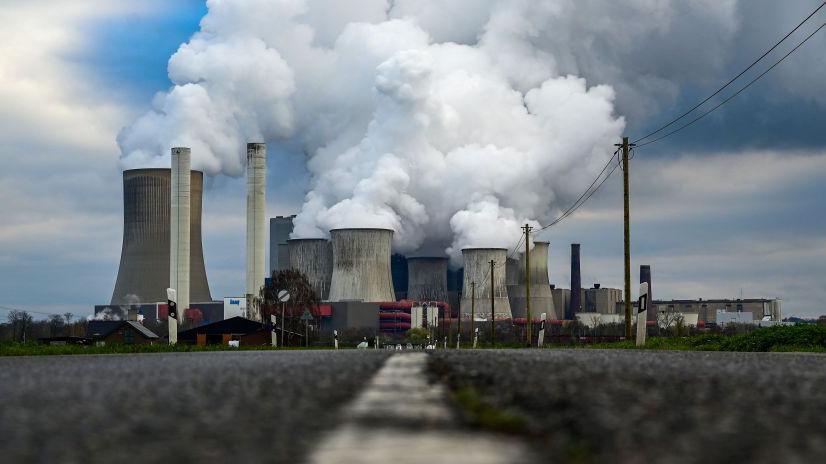
Two of the trickiest issues in Washington's 20-point plan involve territory and the fate of Europe's biggest nuclear plant, which is currently occupied by Russia.
The Kremlin agrees with Trump that negotiations are 'at a final stage', and Zelensky's next step is to meet European leaders in France on 6 January, but any one of the sticking points could jeopardise a deal.
Fate of Ukraine's industrial heartland coveted by Putin
Vladimir Putin has not budged from his maximalist demand for the whole of Ukraine's industrial Donbas, although Ukraine's Volodymyr Zelensky has offered a compromise.
Russian forces occupy most of the Luhansk region in the east but little more than 75% of Donetsk, and Putin wants it all, including the remaining 'fortress belt' cities of Sloviansk and Kramatorsk.
Zelensky suggests a demilitarized zone, which might require mutual withdrawals, but such an agreement seems improbable given Russia's current military advances.
Ukraine's huge nuclear power plant in Russian hands
Russia occupies the Zaporizhzhia nuclear plant, which has been non-operational since March 2022. The US proposes a joint management plan, which Ukraine finds unrealistic. Trust issues hinder any potential compromise.
Lack of mutual trust despite positive rhetoric
Trust remains a major obstacle for both parties, with Zelensky openly expressing skepticism about Putin’s intentions. Accusations of aggression from both sides only deepen the divide.
Other sticking points that could derail deal
Ukraine seeks security guarantees from Western allies, raising concerns on military presence that Russia opposes. Economic reparations are also a contentious point, given the massive financial losses incurred by Ukraine since the onset of the conflict.
Could Ukrainians hold a vote on a deal?
Zelensky argues for the need of public referendum to legitimize any peace deal, which adds layers of complexity as it could prolong the situation, a point contested by the Kremlin.