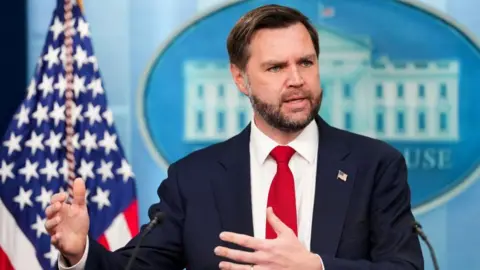
After a diplomatic team led by US Vice-President JD Vance tried, and failed, to reach a negotiated agreement to end the war with Iran, President Donald Trump had to decide his next move.
That came on Sunday morning, in a series of Truth Social posts.
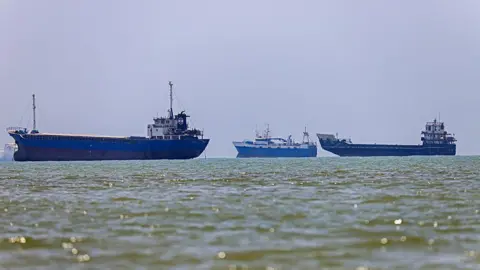
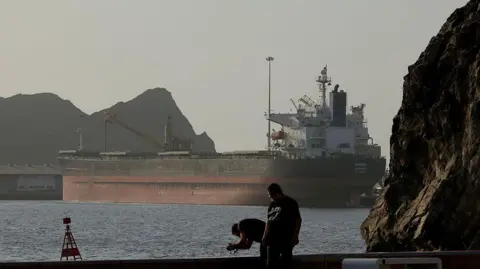
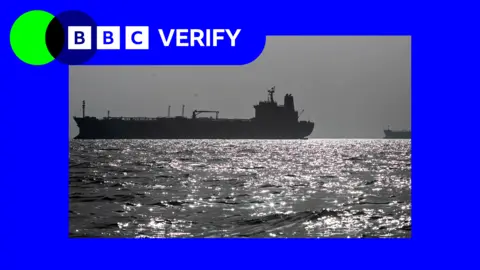
The US will impose a naval blockade of Iran, he wrote. No one who pays an illegal toll will have safe passage on the high seas, he wrote.
He also said that the US would continue clearing mines from the Strait of Hormuz to ensure a safe passage for allied shipping. The US military, he added, was locked and loaded and prepared to resume attacks against Iran at an appropriate moment.
Trump's posts indicated that while progress had been made in the negotiations, Iran will not abandon its nuclear ambitions.
While Trump's latest posts didn’t have the apocalyptic tone of his previous threats, they posed a number of new challenges—and risks—for the American side.
Questions remain: Will mine-clearing activities put American naval vessels at risk of Iranian attacks? How would the US determine who paid Iran a toll? The US military announced plans to stop all ships traveling to Irani ports, a shift from earlier strategies.
Critics, including Senator Mark Warner and Congressman Mike Turner, voiced skepticism over the blockade's effectiveness in resolving tensions.
As the second month of conflict approaches, the situation remains precarious. The ongoing war could see both the US and Iran suffering losses that stretch beyond the battlefield.