In brief
Bulgaria, the EU's poorest nation, is now using the euro as its currency, marking a significant step in its European integration. While urban youth view this as a hopeful leap into the future, many older, rural citizens fear financial instability and losing their cultural identity. With a divided public opinion, the transition to the euro brings both optimism and apprehension, as the country navigates this major economic change.
Bulgaria - the poorest country in the European Union - has become the 21st member of the eurozone, leapfrogging more prosperous candidates like Poland, the Czech Republic, and Hungary.
For mostly urban, young, and entrepreneurial Bulgarians, it's an optimistic and potentially lucrative leap - a final move in a journey that has brought Bulgaria into the European mainstream, enjoying NATO and EU membership, and now the euro.
Yet, the currency change fuels fear and resentment among older, rural populations. The lev, meaning lion, was Bulgaria's currency since 1881 and had been pegged to other European currencies since 1997 - first to the Deutschmark, then the euro.
Political turmoil complicates the transition. Bulgaria's Prime Minister lost a confidence vote after mass protests against the budget, reflecting public unrest over this major economic shift.
Recent conversations reveal that many residents express concerns about the impact of the euro, with differing opinions reflecting a divided populace. Small business owners fear the economic repercussions of adopting the new currency. Polls show equal splits in public opinion, with many preferring to stay with the lev.
However, younger generations and some business owners are optimistic, having experience with euro prices and collaborations across borders. January 2026 will see a dual-currency system, allowing payments in both lev and euros, but from February, only euros will be accepted.
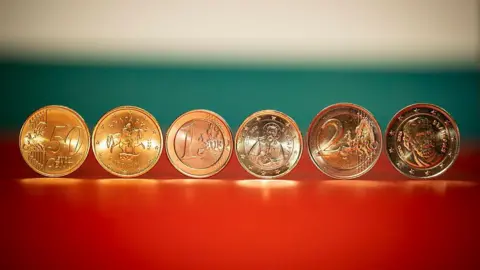
Since August 2025, prices in all stores have been displayed in both currencies. In response to concerns about price increases, consumer watchdogs have been introduced while trying to maintain economic stability. The new euro design also incorporates Bulgarian symbols, addressing sovereignty worries among citizens.
Overall, how this currency change impacts Bulgaria economically remains to be seen, with lessons drawn from other countries offering contrasting outcomes.