The internet blackout in Uganda has had far-reaching consequences, especially for those in urban areas. Mobile money agent Mirembe Tracy lamented that her business was paralyzed during the internet shutdown ordered by the government during last week's elections.
With all withdrawals disconnected, she lost her primary income, relying on commissions to pay rent. For those days, she was left with no option but to sell prepaid airtime credit, which does not return a commission.
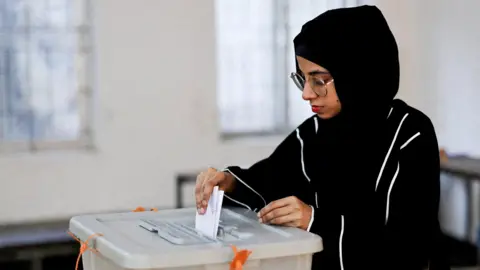
Despite the declared necessity for the shutdown to ensure peace, many believe it was a ploy to cover up voter fraud amidst accusations against the opposition.
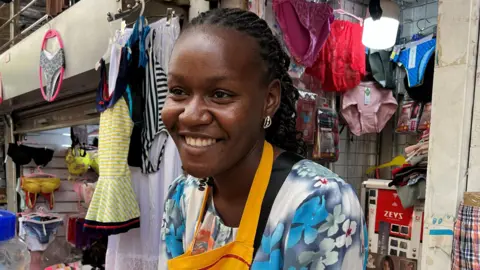
The situation was particularly dire for rideshare drivers and those selling products online. For example, Namukwaya Olivia, who sells traditional clothing heavily reliant on social media, was unable to communicate with customers and ceased deliveries altogether.
As students struggled to contact family and access learning resources, the government partially restored the internet post-election, leaving many users still facing slow or restricted connections.
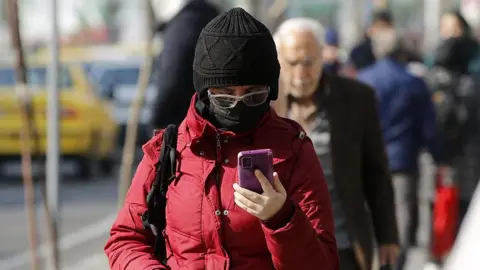
Young people, especially gamers, expressed feelings of isolation as online platforms became inaccessible. I couldn't communicate with anyone, and even gaming was gone, one young gamer voiced frustration over the situation. This blackout was a timely reminder of the integral role digital access plays in modern life.