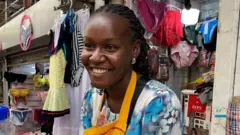
The recent internet shutdown in Uganda, ordered by the government to ensure national stability during elections, has left many Ugandans without access to critical services and social networks. Mirembe Tracy, a mobile money agent in Kampala, expressed her frustration as she saw her income plummet to zero during this period.
‘Without the internet, all withdrawals were disconnected, and my income dropped. I couldn't pay rent, and it felt like a total loss,’ explained Tracy, who typically earns a substantial amount through transactions. Online-based businesses, particularly those utilizing mobile money, have reported drastic drops in their operations, with many forced to revert to cash transactions.
Gamers and younger generations also faced significant issues, as some like Ronnie Mwesigwa, 20, found themselves cut off from friends and entertainment options, lamenting the lack of access to games and social media. Journalists struggled to cover unfolding events, as they relied heavily on the internet for updates and communications.
The government stated that the shutdown was necessary for peace and security, but many felt it raised suspicions about fraud and manipulation in the electoral process. As Uganda processed these unprecedented changes, the immediate impacts were clear—economic disruption, social isolation, and stressed communications were just the tip of the iceberg.