In brief
In a revealing piece, BBC Moscow correspondent Steve Rosenberg reflects on the challenges of reporting from Russia while facing personal attacks from state media. As tensions escalate between Russia and the West, Rosenberg highlights the precarious situation for journalists in Russia, detailing both the hostility he receives and the surprising support from the Russian public. He emphasizes the complexities of navigating a media landscape shaped by government control and the impact of the Ukraine conflict on perceptions.
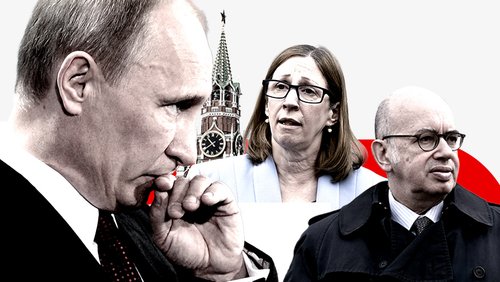
On a recent Russian TV show, a well-known presenter launched a vitriolic tirade against the UK, making headlines by calling out BBC correspondent Steve Rosenberg as 'Steve Rotten-berg' and likening him to a 'defecating squirrel.' Such insults mark the intense scrutiny and hostility faced by journalists in Russia today. Rosenberg has spent over 30 years in Moscow, witnessing firsthand how rapidly the media landscape has shifted since he first fell in love with Russian culture.
In the wake of the invasion of Ukraine, reporting truthfully has become perilous. Laws have tightened, and dissent is silenced, forcing journalists like Rosenberg to tread carefully in what he describes as a 'tightrope' act between honesty and safety. Yet he continues to uncover critical stories from Russia, even as public scrutiny increases.
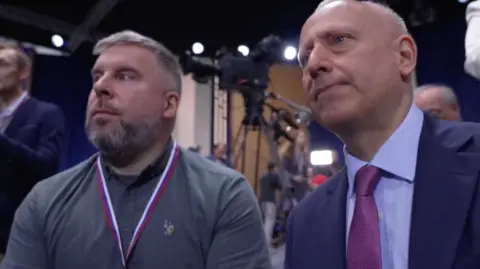
Currently, foreign journalists face growing difficulties: renewed permits are required every three months, with public sentiment favoring the Kremlin. Nonetheless, Rosenberg's commitment to conveying authentic narratives persists. He believes that the insights gained from interactions—even fleeting moments at press conferences with Vladimir Putin—are invaluable, reflecting the complexities of Russian politics and society.
To illustrate, during the past year, Rosenberg has encountered a mix of hostility and support from the Russian populace. While some see him as a government-targeted enemy, others express curiosity and appreciation for his work. His experiences reveal the dichotomy of being a foreign correspondent in Russia: one minute, they label you an enemy, and the next, they seek your autograph.
This contrast symbolizes an internal struggle within Russia itself, as the nation grapples with its identity amid global scrutiny. Ultimately, the outcome of the ongoing war in Ukraine remains crucial, not just for Ukraine and Russia, but for Europe as a whole.