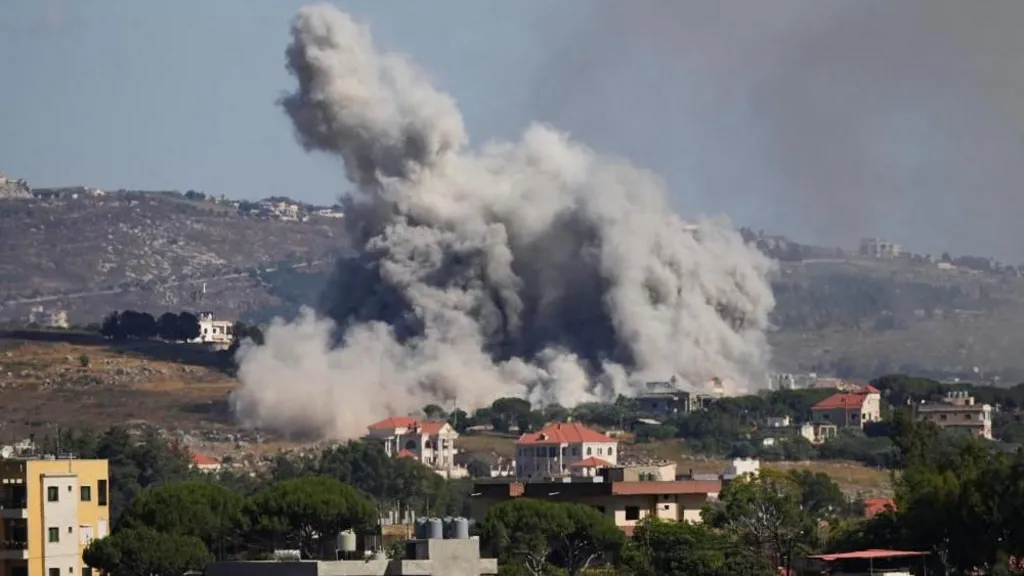
The knock-on effects of the conflict now whipping through the Middle East are awakening ghosts of crises past that shook the European Union. Seven months into Russia's full-scale invasion of Ukraine, launched in February 2022, the President of the European Commission stood at her podium in the European Parliament and accused Russia of manipulating the EU's energy market.
They prefer to flare the gas than to deliver it, proclaimed Ursula von der Leyen, as spiraling energy prices hit consumers across the continent. This market is not functioning anymore.
Fast forward four years, and frustration is palpable once more as a European diplomat pointed to the current energy shock sparked by the Middle East crisis, threatening to be the focal point at an upcoming summit in Brussels.
Instead of tackling long-term strategies for competitive energy sustainability, EU leaders are panicked over rising prices and angry voters, echoing sentiments from prior crises. Just like the crisis after Russia's full-scale invasion of Ukraine. Different conflict. Same European divisions; same dilemmas over energy. We can't keep going round in these circles. Something's got to give.
EU leaders have significantly reduced their dependence on Russian energy, now sourcing much of their supplies from Norway and the US. However, recent events have pushed energy prices to alarming levels, reigniting fears over Europe’s energy security.
This backdrop of rising costs and insecurity finds further complication in the geopolitics of energy dependency as European nations scramble for short-term fixes while weighing the long-term reforms needed for a resilient future.
They prefer to flare the gas than to deliver it, proclaimed Ursula von der Leyen, as spiraling energy prices hit consumers across the continent. This market is not functioning anymore.
Fast forward four years, and frustration is palpable once more as a European diplomat pointed to the current energy shock sparked by the Middle East crisis, threatening to be the focal point at an upcoming summit in Brussels.
Instead of tackling long-term strategies for competitive energy sustainability, EU leaders are panicked over rising prices and angry voters, echoing sentiments from prior crises. Just like the crisis after Russia's full-scale invasion of Ukraine. Different conflict. Same European divisions; same dilemmas over energy. We can't keep going round in these circles. Something's got to give.
EU leaders have significantly reduced their dependence on Russian energy, now sourcing much of their supplies from Norway and the US. However, recent events have pushed energy prices to alarming levels, reigniting fears over Europe’s energy security.
This backdrop of rising costs and insecurity finds further complication in the geopolitics of energy dependency as European nations scramble for short-term fixes while weighing the long-term reforms needed for a resilient future.