In brief
In a significant diplomatic development, the European Union has approved a €90 billion loan for Ukraine, following the resumption of oil shipments through the Druzhba pipeline to Hungary and Slovakia. This decision concludes a months-long impasse, stemming from Hungary's initial veto due to disruptions caused by Russian attacks. The renewed oil flow has enabled the EU to move forward, with officials emphasizing the funding as vital for Ukraine’s defense and economic stability amidst ongoing conflict.
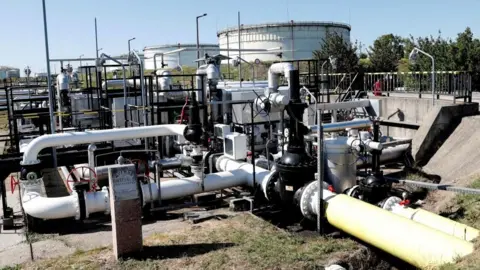
Ukraine says it has resumed pumping Russian oil through a pipeline into Hungary and Slovakia, bringing to an end months of deadlock over a €90bn (£78bn) loan seen as vital European Union support for Kyiv. Soon afterwards, EU ambassadors meeting in Brussels gave preliminary approval to the loan, as well as a 20th package of sanctions on Russia, officials said. It is now expected to be signed off on Thursday.Although the funding was agreed last December, Hungary's Viktor Orbán slapped a veto on the payment in February after Ukraine said damage caused by a Russian attack had brought supplies to a halt. Ukrainian oil and government sources told officials in Hungary and Slovakia that pumping had restarted, hours after the EU ambassadors began discussing the loan. Orbán had demanded the oil start flowing again before the loan could be paid out, and Ukraine confirmed the repairs had been completed on Tuesday.His election defeat last Sunday also cleared the air for the EU, bringing to an end his 16-year era as prime minister. Hungary's next leader, Péter Magyar, has prioritized a reset in Budapest's poor relations with Brussels. Ukraine really needs this loan and it's also a sign that Russia cannot outlast Ukraine, EU foreign policy chief Kaja Kallas said ahead of the ambassadors' meeting.The EU funding has been described by Ukrainian Deputy Prime Minister Taras Kachka as a matter of life and death for Kyiv, with two-thirds of it allocated for defense needs. Slovak Economy Minister Denisa Sakova noted that pipeline operations resumed on Wednesday, with crude oil expected to flow into Slovakia for the first time since January 27. The volume of pumping was not yet clear, but Ukrainian sources reported that oil transit began at 12:35 local time (09:35 GMT).The geopolitical landscape shifted after Orbán’s announcement to lift the veto, which had infuriated EU leaders. He had accused Ukraine of imposing an oil blockade on Hungary, blaming the EU for siding against him and alleging collusion with Ukraine's President Volodymyr Zelensky. Nevertheless, as Orbán's administration transitions, the EU hopes for enhanced cooperation moving forward.