Péter Magyar and his victorious Tisza party have wasted no time preparing for the transfer of power in Hungary after their dramatic landslide defeat of Viktor Orbán last Sunday. They won 52% of the vote, marking an end to Orbán's continuous rule for 16 years, significantly reducing his party's seats from 135 to 52 in the National Assembly. The count will be finalized soon, with plans for rapid parliamentary formation.
Magyar has ambitions to implement key reforms, including limiting the number of terms a prime minister can serve, targeting the ongoing issues of corruption, and reestablishing media independence. In response to the previous government's shortcomings, he has already pledged to recover stolen state assets and hold those responsible for corruption accountable.
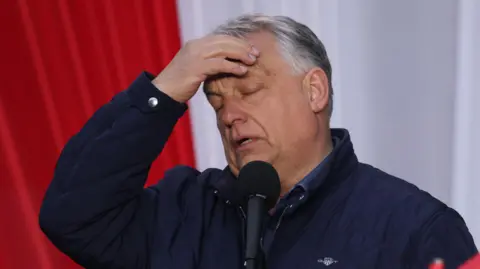
The vibrancy of Magyar's administration contrasts with Orbán’s retreat, as the former PM acknowledged the end of an era and took personal responsibility for the loss. Orbán’s party, Fidesz, faces growing scrutiny and a demand for renewal as the political landscape shifts toward a younger electorate.
With the support of young voters, who largely backed Tisza and expressed their aspirations for change through public chants, Magyar’s government is ready to tackle the myriad challenges ahead.
As discussions around strategy continue, the new administration's first steps will be crucial to destiny, setting the tone for Hungary’s future and ensuring accountability for past governance while promoting a forward-thinking agenda.
Magyar has ambitions to implement key reforms, including limiting the number of terms a prime minister can serve, targeting the ongoing issues of corruption, and reestablishing media independence. In response to the previous government's shortcomings, he has already pledged to recover stolen state assets and hold those responsible for corruption accountable.
The vibrancy of Magyar's administration contrasts with Orbán’s retreat, as the former PM acknowledged the end of an era and took personal responsibility for the loss. Orbán’s party, Fidesz, faces growing scrutiny and a demand for renewal as the political landscape shifts toward a younger electorate.
With the support of young voters, who largely backed Tisza and expressed their aspirations for change through public chants, Magyar’s government is ready to tackle the myriad challenges ahead.
As discussions around strategy continue, the new administration's first steps will be crucial to destiny, setting the tone for Hungary’s future and ensuring accountability for past governance while promoting a forward-thinking agenda.