From early‑voting in Columbia to a federal court in Montgomery, the GOP’s scramble to redraw congressional lines is finally hitting a wall. Senator Richard Cash and his colleagues in South Carolina’s Senate said the June 9 primaries were already underway and that changing the map on day‑one would be a political foul‑up. Trump’s push to create a Republican‑leaning “clean sweep” of the state’s seven House seats—an effort he had championed in Texas last summer—fizzled when lawmakers admitted that the timing was too late.
Meanwhile in Alabama, a three‑judge panel slapped a preliminary injunction on the GOP‑backed plan that would add one Black‑majority district. The court found the map “intentionally discriminated based on race” and ordered the state to use a court‑imposed map featuring two districts with significant Black representation.
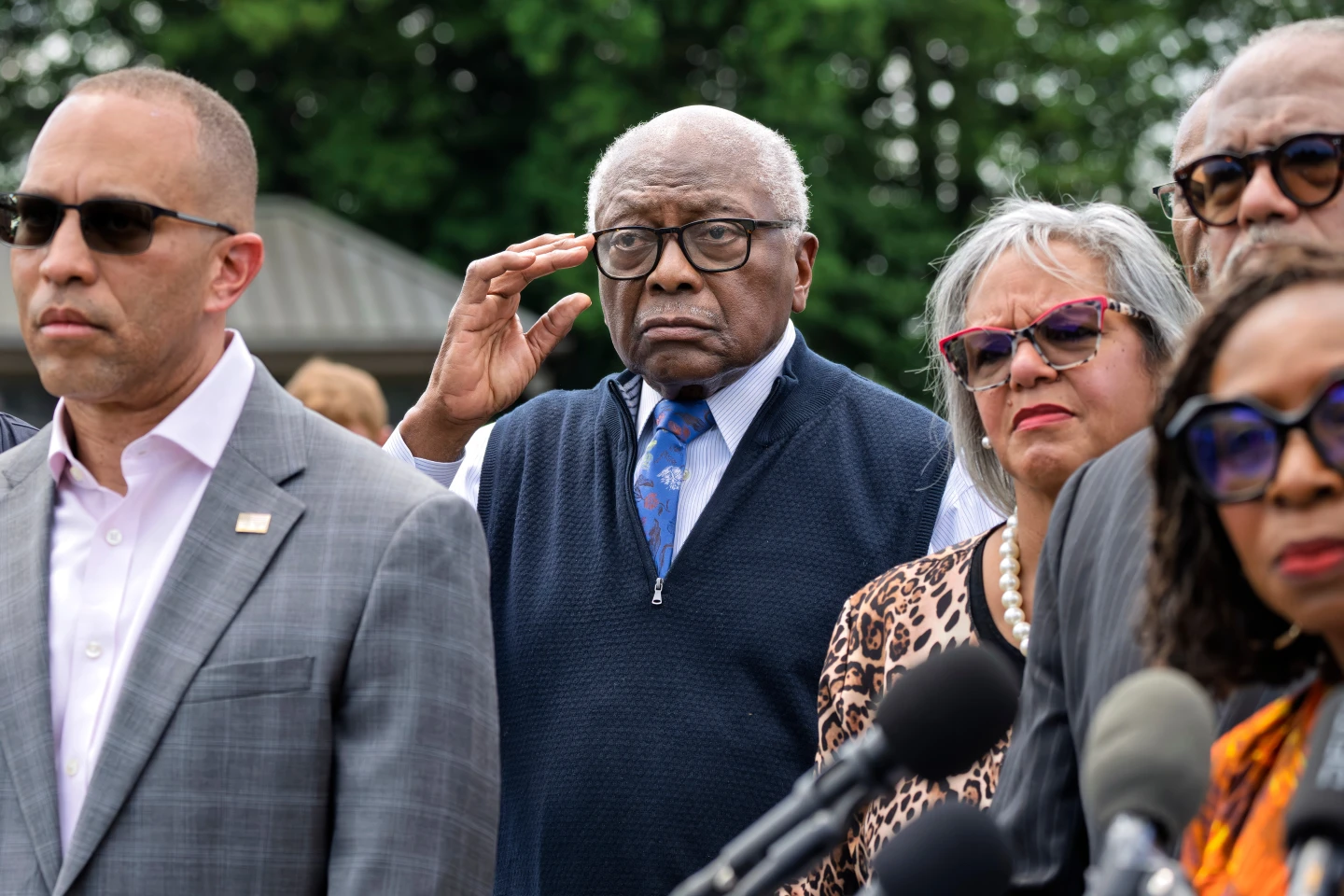
Democratic Rep. Jim Clyburn, who sits in the district the map aimed to change, warned that the new lines would simply give the GOP more teeth. “I’ll run where I live, no matter what the edges look like,” he told early‑voters in Orangeburg.
These setbacks give Democrats a rare breathing room. While the GOP has reportedly gained in Missouri, North Carolina, Ohio, Florida and Tennessee, the lost Alabama map caps their hopes of a 15‑seat swing. Democrats, who already saw a setback in Virginia’s court‑overturned plan, see opportunities to target the new maps in California, Utah and beyond.
In a nation where the fight for fair representation is far from over, the redistricting battle continues—both in the halls of state governments and in the kitchens of courts. Whether the GOP can recover a clean‑sweep advantage remains a key flashpoint in the 2026 midterm.
Meanwhile in Alabama, a three‑judge panel slapped a preliminary injunction on the GOP‑backed plan that would add one Black‑majority district. The court found the map “intentionally discriminated based on race” and ordered the state to use a court‑imposed map featuring two districts with significant Black representation.
Democratic Rep. Jim Clyburn, who sits in the district the map aimed to change, warned that the new lines would simply give the GOP more teeth. “I’ll run where I live, no matter what the edges look like,” he told early‑voters in Orangeburg.
These setbacks give Democrats a rare breathing room. While the GOP has reportedly gained in Missouri, North Carolina, Ohio, Florida and Tennessee, the lost Alabama map caps their hopes of a 15‑seat swing. Democrats, who already saw a setback in Virginia’s court‑overturned plan, see opportunities to target the new maps in California, Utah and beyond.
In a nation where the fight for fair representation is far from over, the redistricting battle continues—both in the halls of state governments and in the kitchens of courts. Whether the GOP can recover a clean‑sweep advantage remains a key flashpoint in the 2026 midterm.