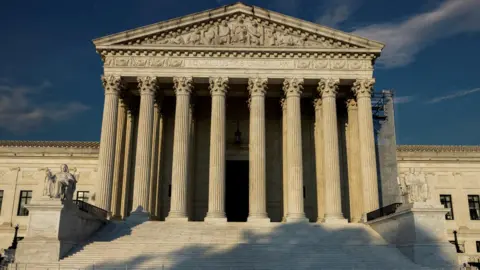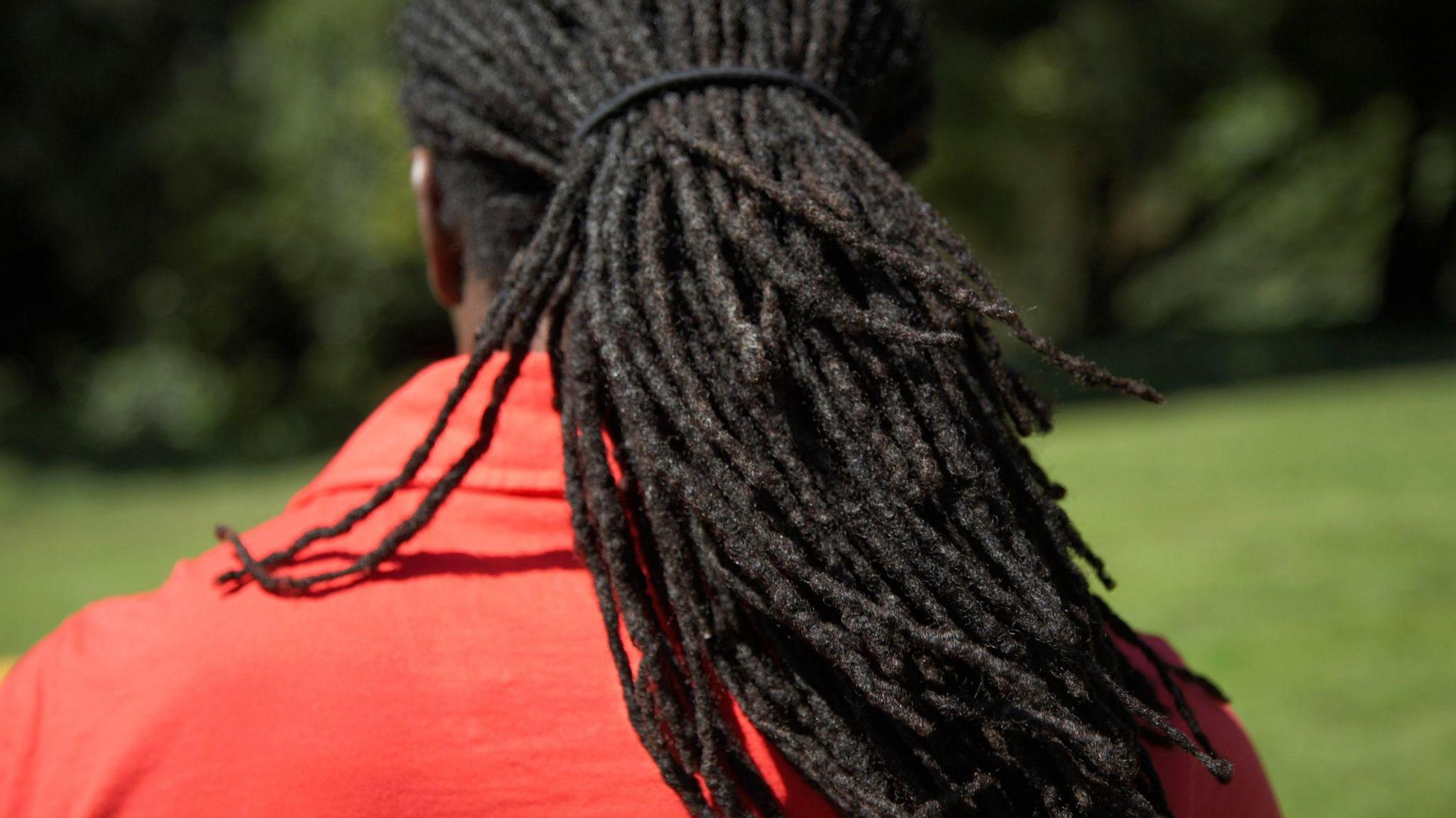
Hey SnapScope squad! 🌟 Ever heard about a court case involving a guy’s legendary dreadlocks? Damon Landor, a former Louisiana inmate, was shaved down by prison guards after he claimed it violated his Rastafarian faith. He tried suing, but the top US court said the law that usually protects religious practice—RLUIPA—doesn’t let him sue individual officers. That’s a tough nudge for religious rights.
What’s the big deal? The Supreme Court’s 6‑3 decision marked a deviation from past wins for faith‑related claims. If you think the law always backs folks in power‑house shelters, this flips that idea. The decision leaves many like Landor “without an after‑math—no money or remedy.”
Extra context: In 2020, Landor was forced into a chair, full‑handcuffed, and shredded his hair after his jailers ignored his religious appeal—he even handed them a court ruling that said cutting his hair was a violation. The federal courts before the Supreme Court had found that RLUIPA didn’t let him sue personnel for money.
Why should you care? This shows how a single haircut can become a micro‑heartbeat of broader legal battles—think rights for Muslim men on the no‑fly list, or freedom of expression for artists worldwide. The case sparks a clip‑count debate: Should institutions, including prisons, hold officers individually accountable for cultural‑religious practices? Let us know what you think—drop a comment or remix this story into a 60‑second video!