Why the Court Rejected Nitrogen Gas for an Execution
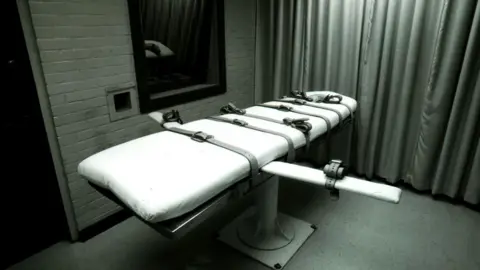
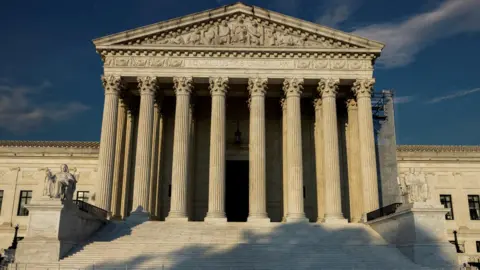
The US Supreme Court has denied Alabama’s appeal to use nitrogen gas to execute death‑row prisoner Jeffery Lee. The decision comes after two federal courts blocked the method, citing the Constitution’s ban on cruel and unusual punishment.
Lower Courts Take a Stand
- Judge ruled nitrogen gas likely causes severe distress and air hunger before asphyxiation.
- Appeals court reversed earlier decision, effectively banning the method.
- The state filed an emergency order just hours before the scheduled execution.
Supreme Court’s Silent Order
In an unsigned order on the emergency docket, the Court did not provide an explanation. However, Justices Clarence Thomas, Samuel Alito and Neil Gorsuch dissented, stating they would have approved the execution.
State’s Response
Alabama’s top prosecutor described the halted execution as a "miscarriage of justice" for the state and victims’ families. Attorney General Steve Marshall echoed the sentiment, saying the halt unfairly hands victims’ families a broken promise of justice and will pursue all options to carry out Lee’s lawful sentence.
Although the method has been used on seven inmates since the state introduced it in January 2024, the Court’s denial sends a clear message that the use of nitrogen gas for capital punishment faces constitutional scrutiny. The debate continues over what constitutes a humane execution method and how states navigate federal oversight in the death‑penalty landscape.