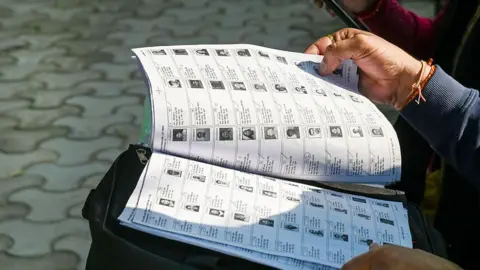
Muhammad Daud Ali, a former Indian army technician, recently discovered that he was no longer a voter in his home state of West Bengal. His name - and those of his three children - had been struck off the electoral rolls despite valid documents, including his passport and service records. Only his wife remained on the list. Ali, 65, and his children are among nine million voters - about 12% of West Bengal's 76 million electorate - who have been removed from the 2026 rolls as part of the Special Intensive Revision exercise. Voting to elect a new state government will take place later this month in this eastern Indian state. Of these nine million, more than six million names were struck off as absentee or deceased voters, while the fate of another 2.7 million - including families like Ali's - remains undecided and will be determined by tribunals. India's Election Commission says the revision is meant to weed out duplicate or outdated entries and add genuine voters.
Voter Rights Crisis in West Bengal Amid Election Turmoil
Voter Rights Crisis in West Bengal Amid Election Turmoil
As West Bengal heads toward state elections, a staggering nine million voters find themselves stripped of their voting rights in a controversial electoral roll revision. The fallout raises critical questions about democratic processes and electoral integrity.
In West Bengal, nearly nine million voters, or 12% of the electorate, have lost their voting rights due to an electoral roll revision known as the Special Intensive Revision (SIR). The state, governed by Chief Minister Mamata Banerjee, faces controversy as many families—particularly from marginalized communities—see their names removed. This revision process has led to accusations of targeted disenfranchisement aimed at benefiting the ruling Bharatiya Janata Party (BJP). With elections approaching, the status of millions remain unresolved, igniting protests and legal battles over voter rights.