In brief
Around 250 people, including children, are missing following the capsize of a migrant boat in the Andaman Sea. The vessel was overcrowded and faced rough conditions while attempting to reach Malaysia. The UN agencies noted this tragic event underscores the urgent need to address the plight of the Rohingya, who have been fleeing violence in Myanmar, seeking better opportunities.
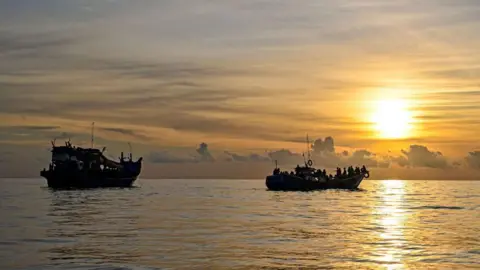
About 250 Rohingya and Bangladeshis, including children, are missing after their boat capsized last week in the Andaman Sea, according to the United Nations' refugee and migration agencies. The trawler, which had departed from Bangladesh and was bound for Malaysia, reportedly sank due to heavy winds, rough seas, and overcrowding. The Bangladesh Coast Guard told AFP news agency that one of its ships rescued nine people from the vessel on April 9, but it is unclear when exactly the boat capsized.Hundreds of thousands of Rohingya, one of Myanmar's many ethnic minorities, have been fleeing across the border into Bangladesh since a deadly crackdown in 2017. The Rohingya, who are primarily Muslim, are denied citizenship by the government of Myanmar, a Buddhist-majority country.Poor living conditions in Bangladesh have prompted some Rohingya to embark on risky journeys on overcrowded vessels to Malaysia, perceived by many as a safe haven. Rafiqul Islam, one of the survivors, stated he floated in the sea for nearly 36 hours before being rescued, suffering burns from spilled oil.This tragic incident reflects the dire consequences of protracted displacement and the absence of durable solutions for the Rohingya, the UN High Commissioner for Refugees (UNHCR) declared. The ongoing violence in Rakhine—a state in Myanmar—deepens the despair for these refugees. Many believe they are safer at sea than in the deteriorating camps in Bangladesh where hope for a safe return to Myanmar fades.Current reports indicate that these vessels are small and cramped, lacking basic facilities. Many do not reach their destinations safely, with some dying at sea or being turned back by authorities.The UN agencies emphasized the need for sustained international support for Rohingya refugees and urged action to address the root causes of their displacement, highlighting the hope for future voluntary and dignified returns to their homeland.