Just seven days after he made the fateful decision to launch his coup against the elected government of Aung San Suu Kyi on 1 February 2021, General Min Aung Hlaing made a promise; to hold elections, and return to civilian rule, within a year. It has taken him five years to fulfil that promise.
Today, the newly-elected parliament will choose him to be the next president. Min Aung Hlaing has already stepped down as armed forces commander, as required by the constitution before he can take the post of president. But this is civilian rule in name only.
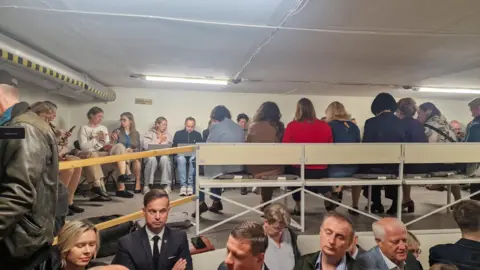
The parliament, sitting for the first time since the coup, is filled with his loyalists. With the armed forces guaranteed one quarter of the seats, and the military's own party, the USDP, winning nearly 80% of the remaining seats in an election which was tilted heavily in its favour, this was a preordained outcome. More of a coronation than an election.
Military men are also likely to dominate the new government when it is formed. Min Aung Hlaing has ensured that a staunch ally, General Ye Win Oo, a hardliner with a reputation for brutality, replaces him at the head of the armed forces. He has also created a new consultative council, which will exercise paramount authority over civilian and military affairs. He is ensuring that in taking off his uniform, he does not dilute his power.
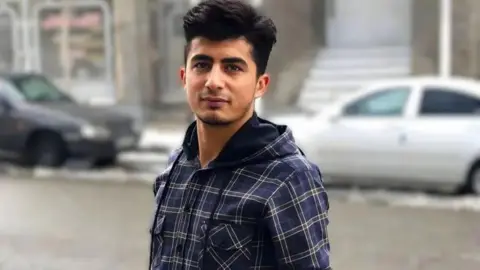
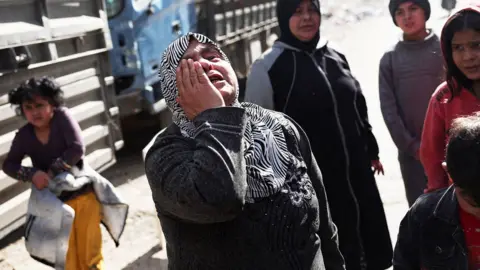
For young activists like Kyaw Win, all hope of change has gone. After being tortured and imprisoned for opposing the coup, he now contemplates leaving Myanmar as the situation escalates. The five years since the coup have been catastrophic, with Min Aung Hlaing's brutal response to protests igniting a civil war that has devastated the country.
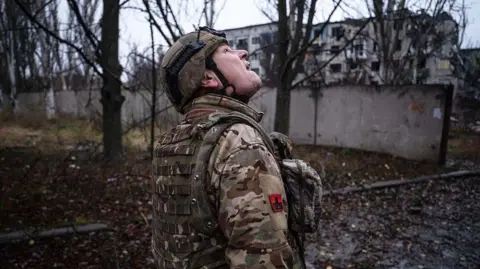
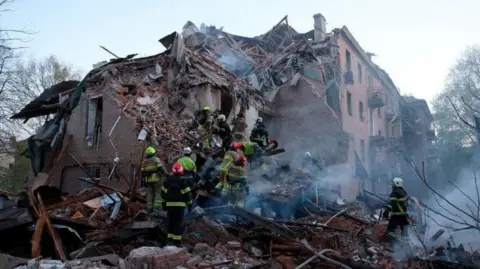
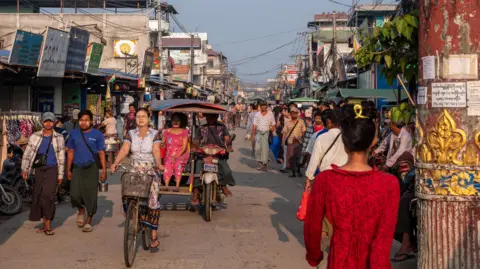
Destruction of communities supporting resistance groups continues, with airstrikes causing further destruction. The political landscape remains unchanged as the National Unity Government vows to oppose the military's legitimacy. Even as many in Myanmar grapple with dismal living conditions and economic despair, the military's grip on power remains firm, leading many to doubt that any real change is on the horizon.
Today, the newly-elected parliament will choose him to be the next president. Min Aung Hlaing has already stepped down as armed forces commander, as required by the constitution before he can take the post of president. But this is civilian rule in name only.
The parliament, sitting for the first time since the coup, is filled with his loyalists. With the armed forces guaranteed one quarter of the seats, and the military's own party, the USDP, winning nearly 80% of the remaining seats in an election which was tilted heavily in its favour, this was a preordained outcome. More of a coronation than an election.
Military men are also likely to dominate the new government when it is formed. Min Aung Hlaing has ensured that a staunch ally, General Ye Win Oo, a hardliner with a reputation for brutality, replaces him at the head of the armed forces. He has also created a new consultative council, which will exercise paramount authority over civilian and military affairs. He is ensuring that in taking off his uniform, he does not dilute his power.
For young activists like Kyaw Win, all hope of change has gone. After being tortured and imprisoned for opposing the coup, he now contemplates leaving Myanmar as the situation escalates. The five years since the coup have been catastrophic, with Min Aung Hlaing's brutal response to protests igniting a civil war that has devastated the country.
Destruction of communities supporting resistance groups continues, with airstrikes causing further destruction. The political landscape remains unchanged as the National Unity Government vows to oppose the military's legitimacy. Even as many in Myanmar grapple with dismal living conditions and economic despair, the military's grip on power remains firm, leading many to doubt that any real change is on the horizon.