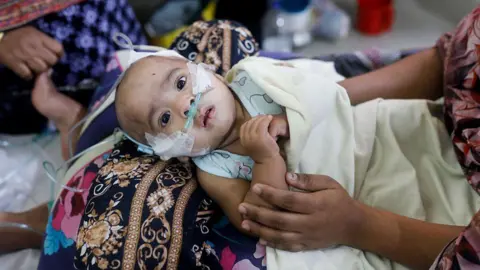
Bangladesh has initiated an emergency vaccination campaign following a measles outbreak that has resulted in over 100 fatalities, mainly among children. The vaccination effort, which started recently, comes amidst more than 7,500 suspected cases reported since mid-March. Over 900 of these cases have been confirmed - a significant increase from 125 cases recorded across the entire previous year.
Despite Bangladesh's longstanding immunization programs, this outbreak has highlighted serious deficiencies. UNICEF's representative, Rana Flowers, emphasized the critical role of vaccines in child survival, illustrating that young children are disproportionately affected by this current epidemic.
Why is the Measles Spike Occurring?
Children in Bangladesh are vaccinated against measles starting at nine months, but a concerning number of recent infections have occurred in infants under this age. Health officials noted that ongoing political instability and the pandemic have disrupted essential vaccination campaigns, leading to an accumulation of unvaccinated children. Bangladesh has not held a special vaccination campaign since 2020.
Bangladesh's Response
The government, in collaboration with UNICEF and the World Health Organization (WHO), is rolling out a vaccination campaign aimed at over 1.2 million children aged between six months and five years. This effort will prioritize children who have missed routine immunizations, especially in urban centers like Dhaka, and among the densely populated Rohingya refugee community.
Understanding Measles
Measles is a highly contagious disease that can lead to severe complications and death. Its symptoms include high fever, runny nose, and red eyes. Globally, measles vaccination coverage must exceed 95% to effectively control the disease.
The Global Context
Despite significant gains in global measles immunization over the past two decades, a resurgence of cases is being witnessed in various parts of the world due to declining vaccination rates. Authorities are acutely aware that these gaps lead to deadly outbreaks, demonstrating the importance of sustained immunization efforts.