In a dramatic turn of events, Okello Chatrie’s robbery spree ended not by police chase, but by cutting-edge tech. The bank heist in Richmond, Virginia, saw Chatrie make off with $195,000, but his cellphone inadvertently turned him into a suspect. Police applied for a geofence warrant from Google, using it to track cellphones in the area near the crime scene. This technology allows law enforcement to identify individuals without having a direct suspect, essentially reversing the traditional investigative process.
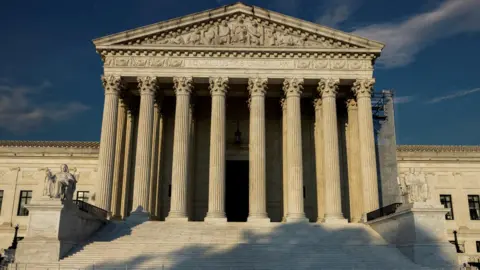
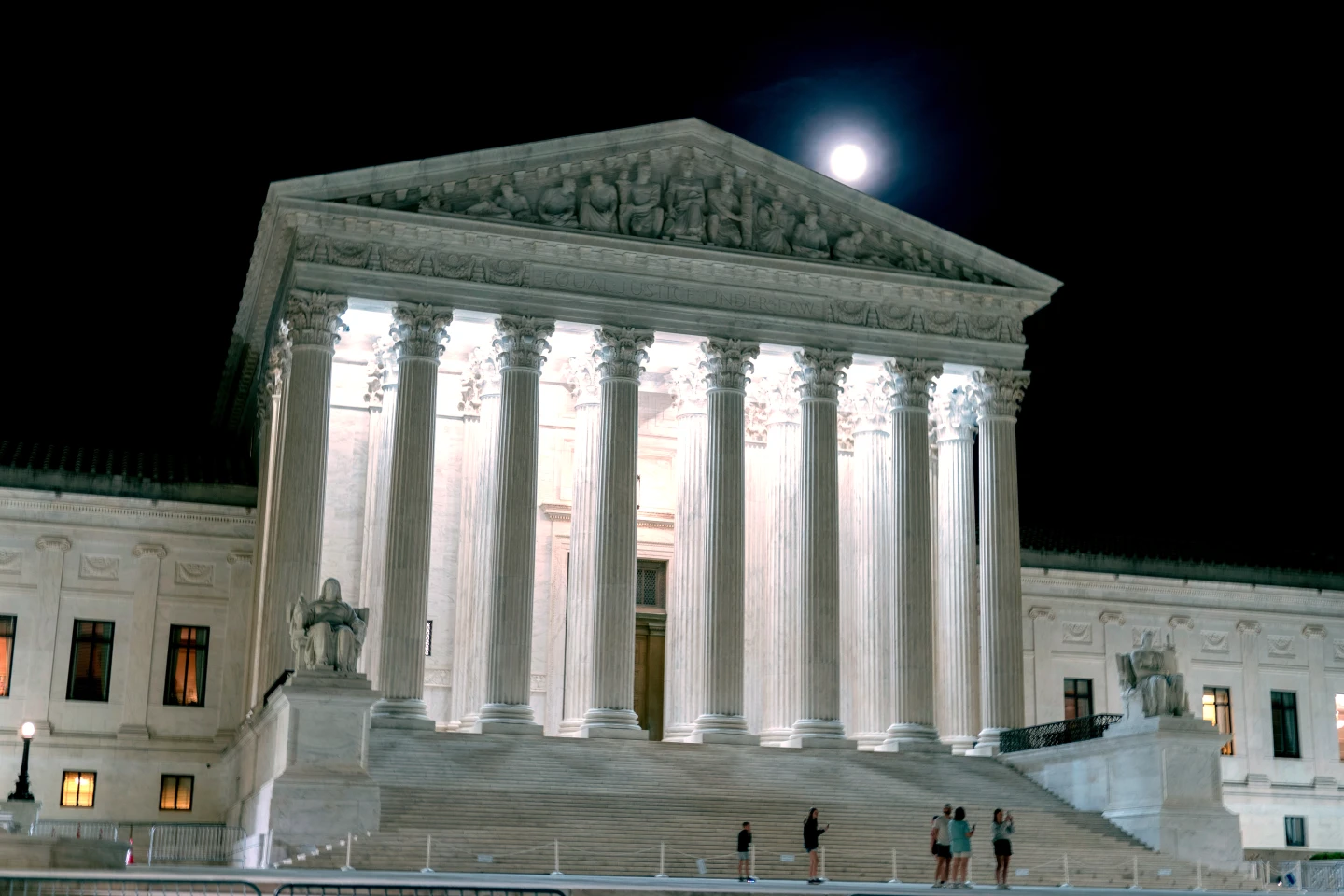
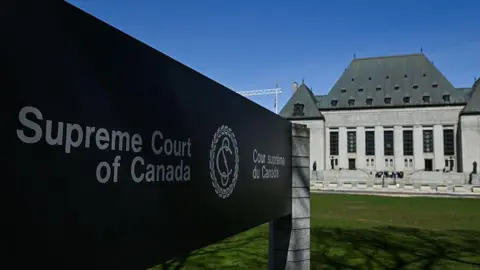
Now, the Supreme Court is facing a pivotal decision that could impact the future of privacy rights in the digital age. The justices are deliberating whether the use of geofence warrants violates the Fourth Amendment, which protects citizens from unreasonable searches. This constitutional question intersects with modern tech realities, raising concerns over civil liberties.
While Chatrie's defense argues that the warrant was a violation of privacy rights, prosecutors maintain that without geofence technology, many cases, especially cold ones, would struggle to find leads. Legal experts warn that a ruling favoring such warrants could unleash widespread surveillance practices, which may infringe on the rights of many innocent individuals. As the court prepares to hear arguments, the outcomes stand to change how technology and privacy law coexist in our rapidly evolving digital landscape.
Now, the Supreme Court is facing a pivotal decision that could impact the future of privacy rights in the digital age. The justices are deliberating whether the use of geofence warrants violates the Fourth Amendment, which protects citizens from unreasonable searches. This constitutional question intersects with modern tech realities, raising concerns over civil liberties.
While Chatrie's defense argues that the warrant was a violation of privacy rights, prosecutors maintain that without geofence technology, many cases, especially cold ones, would struggle to find leads. Legal experts warn that a ruling favoring such warrants could unleash widespread surveillance practices, which may infringe on the rights of many innocent individuals. As the court prepares to hear arguments, the outcomes stand to change how technology and privacy law coexist in our rapidly evolving digital landscape.