In Beaver, a remote Alaska Native village, residents heavily depend on air service for their essential supplies and voting materials. With only about 50 residents, the village illustrates the importance of timely mail delivery, especially during election seasons.
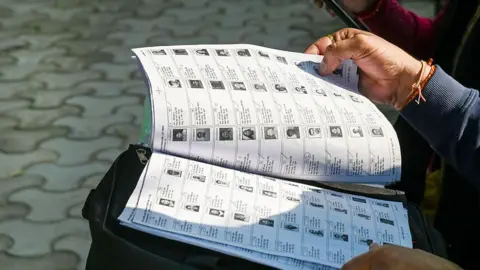
The U.S. Supreme Court is set to hear a case this week that may dictate whether ballots received after Election Day can still be counted, a decision that could jeopardize Alaska's practice of ensuring rural voters have their say.
Currently, Alaska allows ballots to be counted if they are postmarked by Election Day and arrive within ten days. However, the ongoing case, pertaining to voting practices in Mississippi, could change these rules, leading to potential disenfranchisement of rural voters, like those in Beaver.
Local leaders, including poll worker Rhonda Pitka, have voiced their fears that many community votes could go uncounted, stating, 'It’s just basically saying that their votes don’t count, and that’s a real shame.'
Geographic obstacles in Alaska add to the voting challenges, with many ballots arriving late due to the state’s expansive size and various mail delays. Advocates emphasize that restricting ballot counting could severely impact Native and rural voters who already face barriers in accessing the electoral process.
With nearly 50,000 mail-in ballots cast during the 2024 presidential election, a Supreme Court ruling against counting late ballots would amplify the risks of disenfranchisement in Alaska's unique electoral landscape.