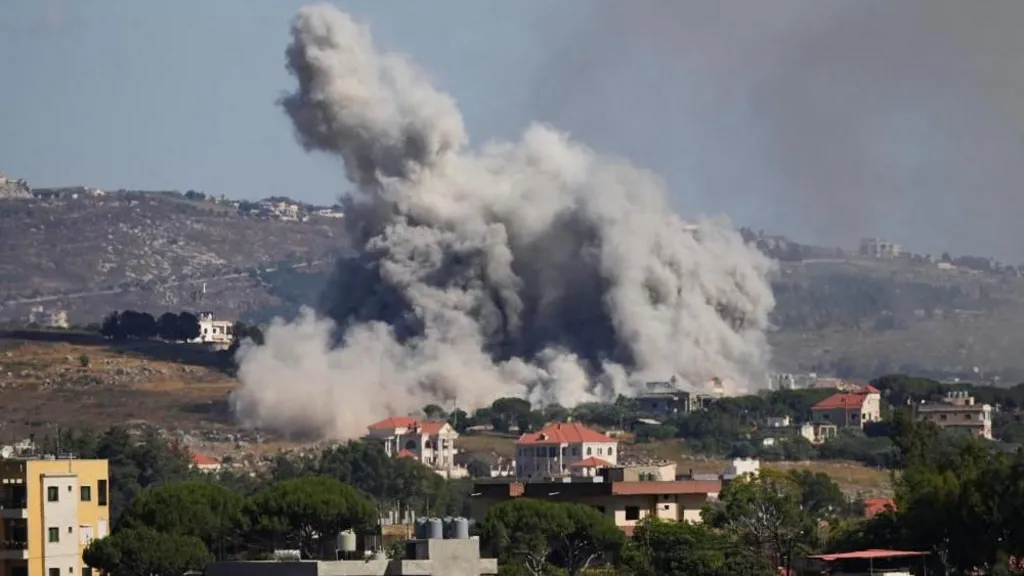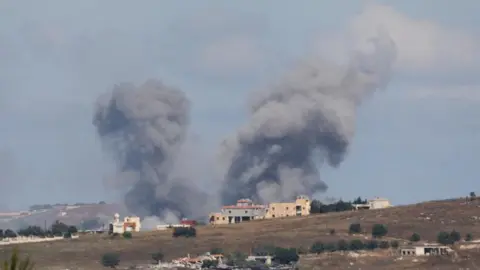
The best hope for the ceasefire talks in Pakistan is that both the United States and Iran have strong reasons to call a halt to the war. The biggest obstacle to their success is a total absence of trust, no discernible common ground, and the fact that Israel, America's full partner in the war, has hugely escalated its onslaught on Lebanon.
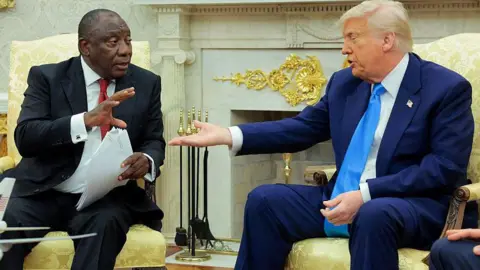
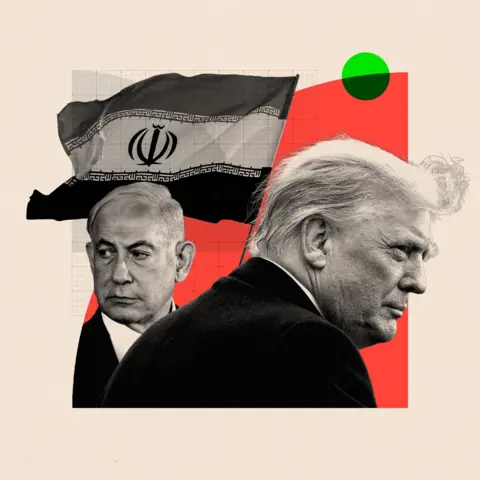
US President Donald Trump is already speaking about the war in the past tense. He has declared victory and needs an exit. Not only does he have a state visit from King Charles on the calendar, followed by a summit with China's President Xi Jinping in May, but there are midterm elections in November looming large. With America's summer holiday season on the horizon, Trump is under pressure to lower fuel prices and manage public sentiment.
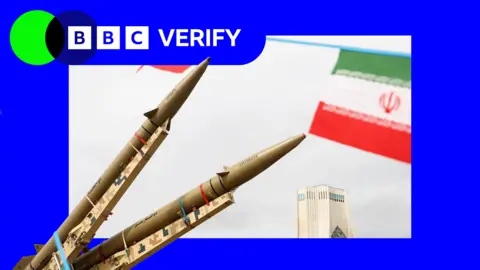
Iran, despite suffering extensive damage, remains defiant and capable of launching missiles and drones. Talks mediated in Pakistan represent a desperate effort by Iran to strengthen its position and possibly regain some lost ground after facing military actions.
The task before their intermediaries is monumental, as their declared positions are far apart. Iran's ten-point plan contrasts sharply with Trump's reported fifteen-point strategy, which appears more of a surrender than a basis for negotiation.
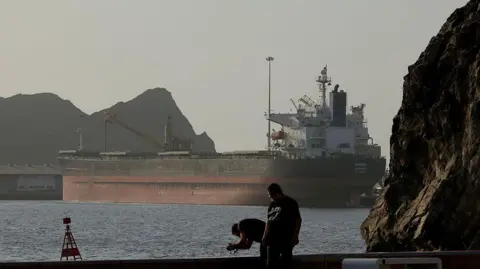
Key issues like the control of the critically important Strait of Hormuz, which has been closed off, complicate the talks. The potential reopening of this trade route, which handles a significant portion of the world's energy supplies, could serve as a bargaining chip and reveal each nation's strategic goals.
The effects of these conflicts extend beyond borders, drawing in players like China and Russia who see opportunities amid the chaos. Meanwhile, the people of Iran continue to suffer under military actions, with an entire population cut off and isolated from their voices being heard internationally. As regional stakeholders navigate multi-layered challenges, the calls for a stable and durable ceasefire grow urgent.
US President Donald Trump is already speaking about the war in the past tense. He has declared victory and needs an exit. Not only does he have a state visit from King Charles on the calendar, followed by a summit with China's President Xi Jinping in May, but there are midterm elections in November looming large. With America's summer holiday season on the horizon, Trump is under pressure to lower fuel prices and manage public sentiment.
Iran, despite suffering extensive damage, remains defiant and capable of launching missiles and drones. Talks mediated in Pakistan represent a desperate effort by Iran to strengthen its position and possibly regain some lost ground after facing military actions.
The task before their intermediaries is monumental, as their declared positions are far apart. Iran's ten-point plan contrasts sharply with Trump's reported fifteen-point strategy, which appears more of a surrender than a basis for negotiation.
Key issues like the control of the critically important Strait of Hormuz, which has been closed off, complicate the talks. The potential reopening of this trade route, which handles a significant portion of the world's energy supplies, could serve as a bargaining chip and reveal each nation's strategic goals.
The effects of these conflicts extend beyond borders, drawing in players like China and Russia who see opportunities amid the chaos. Meanwhile, the people of Iran continue to suffer under military actions, with an entire population cut off and isolated from their voices being heard internationally. As regional stakeholders navigate multi-layered challenges, the calls for a stable and durable ceasefire grow urgent.