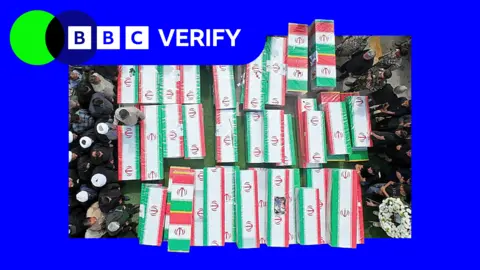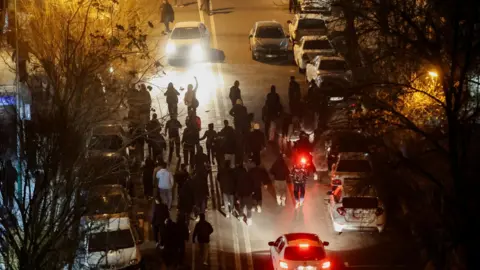
My friends are all like me. We all know someone who was killed in the protests. This statement from Parisa, a 29-year-old from Tehran, encapsulates the desperation felt by countless young Iranians as security forces react violently to protests that initially erupted due to worsening economic conditions. Many now describe the situation as the deadliest period of anti-government unrest in Iran's history. Human rights groups report that over 6,000 people have been killed, including children and protesters, marking an unprecedented scale of violence in the Islamic Republic.
Despite government assertions that the protests have been primarily fueled by rioters, young activists like Mehdi, 24, report they participated in peaceful demonstrations that were met with lethal force. The smell of gunpowder and bullets filled the neighborhood where clashes were taking place, he recalled, emphasizing the shock and outrage felt as they witnessed friends being shot right before their eyes.
The use of pellet guns to target protestors has led to numerous eye injuries, with hospitals overwhelmed with casualties. The communication blackout complicates the situation further, leaving families in despair about the safety of their loved ones. Protesters are also facing harsh ultimatums from authorities regarding the return of bodies, forcing families into distressing financial negotiations amidst their grief.
These firsthand accounts highlight the human cost of the Iranian government's crackdown on dissent, as crowds continue to defy threats, driven by a collective urge for change and justice in the face of oppression.
Despite government assertions that the protests have been primarily fueled by rioters, young activists like Mehdi, 24, report they participated in peaceful demonstrations that were met with lethal force. The smell of gunpowder and bullets filled the neighborhood where clashes were taking place, he recalled, emphasizing the shock and outrage felt as they witnessed friends being shot right before their eyes.
The use of pellet guns to target protestors has led to numerous eye injuries, with hospitals overwhelmed with casualties. The communication blackout complicates the situation further, leaving families in despair about the safety of their loved ones. Protesters are also facing harsh ultimatums from authorities regarding the return of bodies, forcing families into distressing financial negotiations amidst their grief.
These firsthand accounts highlight the human cost of the Iranian government's crackdown on dissent, as crowds continue to defy threats, driven by a collective urge for change and justice in the face of oppression.