In brief
Imran Khan, the jailed former Prime Minister of Pakistan, has not had any visitors for over five weeks, leading his family to accuse the military of trying to silence him and others critical of the government. This situation is a part of a broader crackdown on dissent, where human rights advocates, journalists, and analysts report an increasing pressure on freedom of expression and an atmosphere of fear and repression.
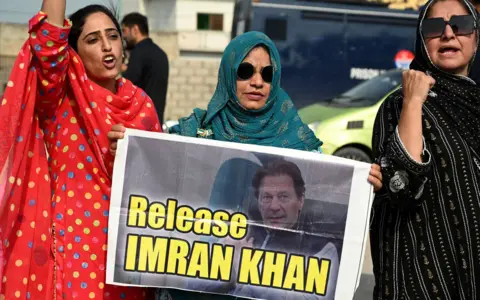
Pakistan's jailed former prime minister Imran Khan hasn't seen any visitors in more than five weeks, according to his party. His family say this is partly to stop his words reaching the outside world. They blame the country's military chief, Field Marshall Asim Munir, a charge the government rejects. It says the meetings stopped because Khan broke jail rules prohibiting discussion of politics. While Khan may be silenced, he is far from the only one under pressure. Journalists, analysts, and human rights advocates say the space to disagree with the state is increasingly limited – and the risks greater. Last weekend, human rights lawyer Imaan Mazari and her husband were convicted of sharing anti-state social media posts, and the couple will spend 10 years in jail. Ahead of sentencing, Amnesty International had called on Pakistan to end coercive tactics used to silence dissent and intimidate those who defend human rights. Khan's family are clear about the effort to wipe him from the public's mind. His sister Aleema Khanum said, There are two names you can't have on television. You can't say anything nice about Imran Khan, and you can't say anything bad about Asim Munir. As the situation deteriorates, Pakistan's military continues to impose restrictions that threaten the nation’s civil liberties and freedom of expression, illustrating a troubling shift towards authoritarianism.