NEW YORK — Over a year has passed since the Trump administration launched an immigration enforcement campaign targeting individuals involved in pro-Palestinian activism on U.S. college campuses. This initiative has led to the arrest and detention of various activists, highlighting an intersection of civil rights and immigration law.
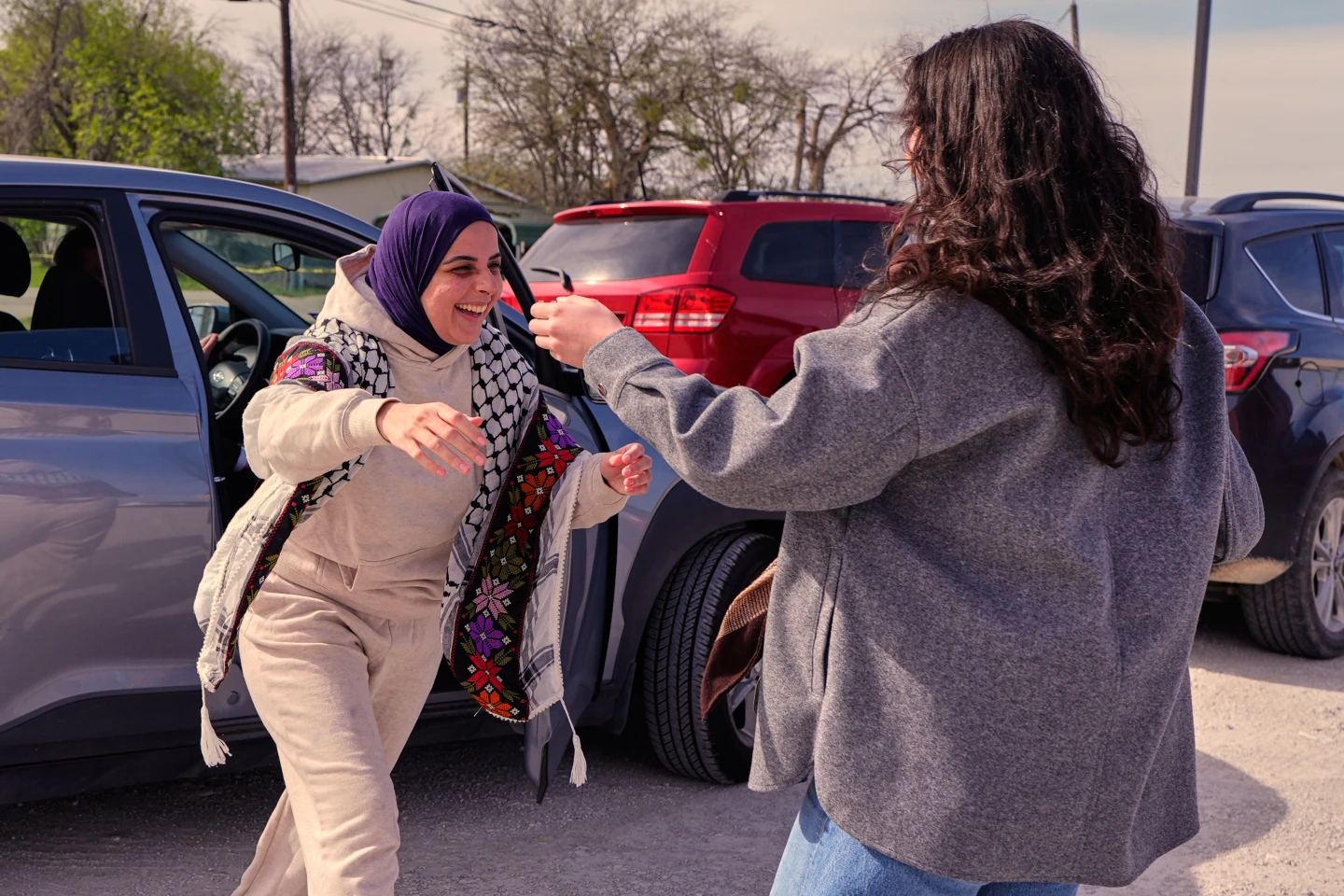
The last release from this crackdown was Leqaa Kordia, a 33-year-old Palestinian woman whose case became emblematic of these issues. Kordia was held for over 14 months after being arrested during an immigration check-in due to allegations regarding her participation in protests that federal officials labeled as 'pro-Hamas'. Although the charges against her were dismissed, she continues to fight allegations of overstaying her student visa.
Others, like Mahmoud Khalil, experienced similar fates. Khalil, a prominent activist and legal U.S. resident, was detained for over 100 days before being released. However, the government seeks to deport him, citing his involvement in protests as a forfeiture of his rights to remain in the U.S., despite him not facing any criminal charges.
While some activists have faced deportation or visa revocation, others continue to fight their legal battles. Badar Khan Suri, a Georgetown scholar with links to activism in Gaza, was arrested just after a class and is currently awaiting his court hearing. Meanwhile, Rümeysa Öztürk and Yunseo Chung, both students, also faced unjust detentions as their activism was associated with complications surrounding their visa statuses.
In summary, the actions against these individuals raise concerns about freedom of speech, the politics of immigration, and the rights of activists in the U.S., creating a complex narrative of justice and advocacy.