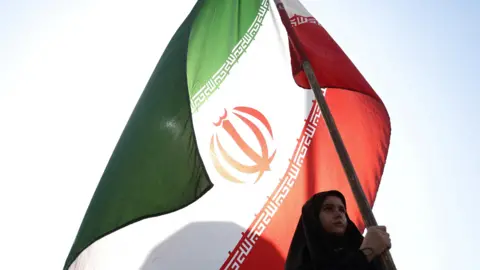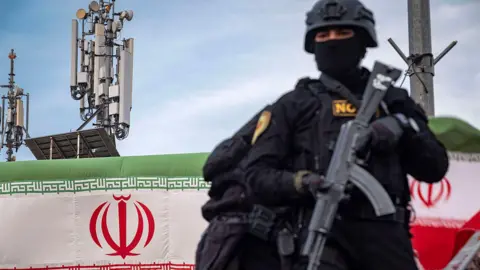
Iran is 10 days into one of the most extreme internet shutdowns in history, with 92 million citizens cut off from all internet services and even disruption to phone and text messaging. The Iranian government cut off services on 8 January, apparently to stifle dissent and prevent international scrutiny of a government crackdown on protesters.
Iranian Foreign Minister Abbas Araghchi said the internet was cut off in response to what he described as externally directed 'terrorist operations'. The government has not specified when internet services will resume, but reports are emerging indicating plans for a potential permanent restriction.
On 15 January, the news website IranWire reported that government spokesperson Fatemeh Mohajerani told journalists that international web access will not be available until at least the Iranian New Year in late March. Internet freedom observers at FilterWatch believe the government is hastily implementing new systems and rules to cut Iran off from the international internet.
While the BBC cannot independently verify this report or the timing of its implementation, journalists who spoke to BBC Persian reported that internet access would not be restored anytime soon.
Iran has maintained a tight grip over the internet for many years, with most western social media apps and platforms blocked. Yet many have managed to access popular apps using Virtual Private Networks (VPNs). Internet freedom campaigners at Access Now argue that internet shutdowns serve as a means to obscure violence against protesters, a tactic used during the nationwide internet shutdowns in 2019 and 2022 protests.
Continuing reports indicate that the shutdown is adversely affecting livelihoods and daily activities, with e-commerce badly hit. As of 18 January, the Human Rights Activists News Agency (HRANA) has reported over 3,300 confirmed protester deaths and 24,266 arrests, yet exact numbers remain elusive without internet access.
Analysts believe the Iranian authorities are preparing for a more significant 'digital isolation' by creating barriers to internet access that mirror systems in China and Russia, where internet control is strictly implemented. This could potentially lead to higher levels of surveillance and a reduction in online freedom for Iranian citizens in the long run.
Despite these developments, technology like satellite internet services and mesh networks are emerging as potential lifelines for Iranians trying to maintain connections in the face of oppressive controls.
Iranian Foreign Minister Abbas Araghchi said the internet was cut off in response to what he described as externally directed 'terrorist operations'. The government has not specified when internet services will resume, but reports are emerging indicating plans for a potential permanent restriction.
On 15 January, the news website IranWire reported that government spokesperson Fatemeh Mohajerani told journalists that international web access will not be available until at least the Iranian New Year in late March. Internet freedom observers at FilterWatch believe the government is hastily implementing new systems and rules to cut Iran off from the international internet.
While the BBC cannot independently verify this report or the timing of its implementation, journalists who spoke to BBC Persian reported that internet access would not be restored anytime soon.
Iran has maintained a tight grip over the internet for many years, with most western social media apps and platforms blocked. Yet many have managed to access popular apps using Virtual Private Networks (VPNs). Internet freedom campaigners at Access Now argue that internet shutdowns serve as a means to obscure violence against protesters, a tactic used during the nationwide internet shutdowns in 2019 and 2022 protests.
Continuing reports indicate that the shutdown is adversely affecting livelihoods and daily activities, with e-commerce badly hit. As of 18 January, the Human Rights Activists News Agency (HRANA) has reported over 3,300 confirmed protester deaths and 24,266 arrests, yet exact numbers remain elusive without internet access.
Analysts believe the Iranian authorities are preparing for a more significant 'digital isolation' by creating barriers to internet access that mirror systems in China and Russia, where internet control is strictly implemented. This could potentially lead to higher levels of surveillance and a reduction in online freedom for Iranian citizens in the long run.
Despite these developments, technology like satellite internet services and mesh networks are emerging as potential lifelines for Iranians trying to maintain connections in the face of oppressive controls.