In brief
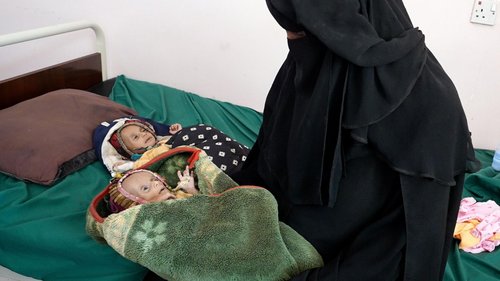
El-Obeid, a Sudanese city that has become a refuge for tens of thousands fleeing war, now stands on the edge of disaster as the paramilitary Rapid Support Forces (RSF) push forward. Satellite reports show the displacement camp ballooning, yet heavy drone attacks and supply road blockades leave civilians fighting for food and water. The Sudanese army is bolstering defenses, but the RSF’s proximity threatens a repeat of the mass atrocities seen in el‑Fasher. International bodies urge a pause on RSF weapon support while the humanitarian outlook stays grim.
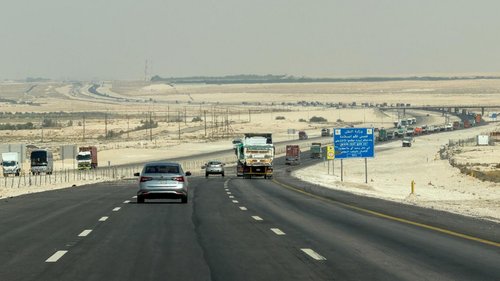
El‑Obeid is a narrow but vital highway between Sudan’s western RSF‑held zones and the central military areas. In the last months, the city’s displacement camp has swollen to over 83,000 people, according to the International Organization for Migration, while the United Nations warns that more than 400,000 civilians dot the surrounding countryside are trapped by a functional siege with supply lines severed by drone strikes.
The RSF, a paramilitary group that seized power from the regular army last year, has positioned dozens of armored vehicles around nearby Nyala and has been livestreaming plans to “liberate” El‑Obeid. In June, the RSF launched a record number of drone strikes on the city, even as the Sudanese forces defended a key highway to Khartoum. The strikes have destroyed a fuel station, power plants and warehouses, plunging the city into a severe energy crisis.
Assists from Islamic Relief and other aid agencies have slowed, but food is still scarce. A UN official noted that the RSF’s air attacks on convoys and the closure of the airport have effectively severed the city’s link to the outside world. Aid workers in the camp see about 80–100 families arriving daily, but they say the shelters are overcrowded and often unstable.
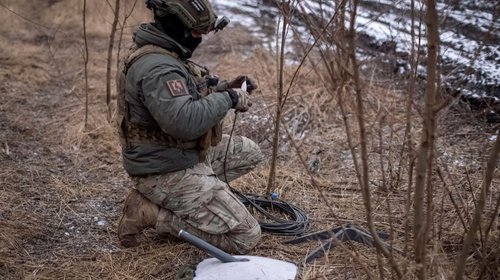
Meanwhile, the Sudanese army has built a defensive berm around the city, a wall designed to keep attackers out rather than to trap residents. Senior researcher Nohad Eltayeb points out that El‑Obeid sits at the cross‑roads connecting the RSF’s western front with military‑held central Sudan. That makes it a high‑profile target for both sides.
Global bodies including the EU and G7 have warned that the RSF might repeat the massacre that happened in el‑Fasher. The U.N. High Commissioner for Human Rights has called for confidence that local refugees are not infiltrated by RSF sympathisers, escalating community tension.
The International community now pressures the RSF and its backers for an immediate pause on weapons, logistics and funding. The situation remains highly uncertain and could spiral into another mass atrocity if the RSF fails to halt its advance.