In brief
The Supreme Court’s latest rulings dealt a decisive blow to Donald Trump by upholding birthright citizenship and striking down his emergency tariffs, yet the court simultaneously expanded the president’s authority over federal agencies, the National Guard, and election law regulations. At the heart of the outcome, some justices aligned with the Senate’s liberal majority to limit Trump’s bold immigration and trade initiatives, whereas the conservative cohort leveraged the court’s power to give Trump unprecedented influence over key regulatory bodies and a chance to shape future administrations’ executiveness. The decisions come both as a message to Congress about checks on presidential fads and as a new legal framework with potential implications for the 2026 midterms and beyond. The appetite stays high among Republican allies for court gains, as lawyers anticipate constitutional and political ripples.
The Supreme Court’s Tuesday decision that upheld birthright citizenship was a top‑tier setback for Donald Trump, who had repeatedly tried to reverse the principle that anyone born on U.S. soil is a citizen. Trump’s reaction was a terse “too bad for our country” and a swift endorsement of legislation that would revisit the rule that had been long in place.
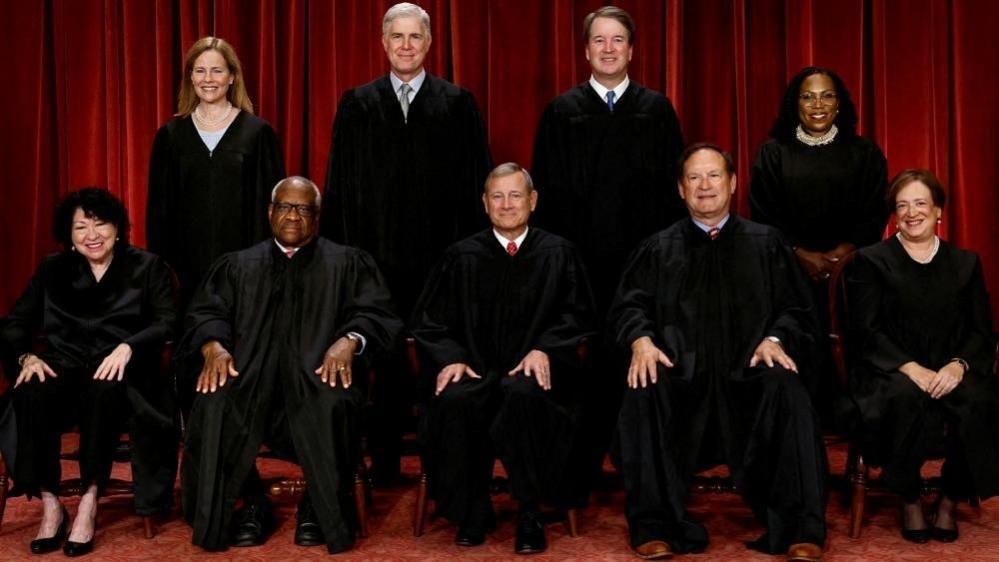
The court’s conservative majority, which solidified during Trump’s first term, had delivered a string of victories that expanded executive power, shielding the president from legal hassles. But this term the court crossed a line: six conservative justices, together with the liberal trio, placed clear limits on Trump’s most ambitious political moves in immigration, trade, and federal enforcement.
Although a rollback of temporary protected status and a narrowing of asylum eligibility might look like incremental changes, they illustrate a pattern. The court has been hesitant to side with Trump when his policies threaten long‑standing federal court precedents. In February it rejected tariffs that Trump imposed through executive orders, and in December it blocked his effort to deploy the National Guard in Chicago.
On the positive side for Trump, the same twelve‑judge panel granted him the power to remove members “independent” from agencies created by Congress. The justices carved out a distinct exemption for the Federal Reserve, meaning that the president, and future presidents, will now have the ability to pick across broad swaths of the federal bureaucracy—from election rules to environmental policy.
The Court’s landmark decisions also touch on political finance. A ruling the day after the birthright case relaxed restrictions on how much a political party can spend for a candidate and loosened limits on campaign finance. That change gives the Republican Party, which is heavily funded, an advantage ahead of this year’s midterm elections.
Last year the court struck down a key set of provisions in the Voting Rights Act that protected minority voting rights; the decision allows Republican‑controlled southern states to redraw congressional districts to favor their candidates.
These joint rulings showcase the Supreme Court’s dual role: While it has often reinforced Trump’s presidential reach, it remains a counterbalance when he pushes too far. The power it grants is unprecedented, and with senior conservative justices rumored to retire in the future, the next president may see an even wider scope for executive authority.