The Swiss Federal Intelligence Service has said it will finally open long-sealed files on the notorious Nazi war criminal Josef Mengele, but without saying when. Mengele fled Europe after World War Two, but for years there have been rumours that he spent time in Switzerland, even though an international warrant was out for his arrest. Historians have repeatedly requested access to the files, but until now the Swiss authorities have refused.
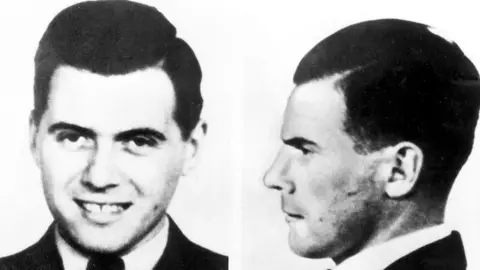
Mengele was a doctor who served in Germany's Waffen SS. He was posted to the Auschwitz extermination camp in Nazi-occupied Poland, where he selected those to be sent to the gas chambers – an estimated 1.1 million people died, including about a million Jews. Known as the Angel of Death, he also selected prisoners, primarily children and twins, for sadistic medical experiments, before sending them to their deaths as well.
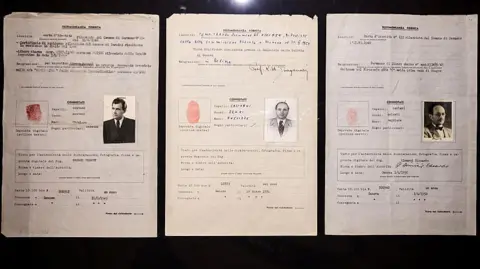
After the war Mengele, like many high-ranking Nazis, quickly changed both his uniform and his name. With the help of his false identity, he was issued Red Cross travel documents at the Swiss consulate in Genoa in northern Italy, and used them to flee to South America. The Red Cross intended the documents for thousands of people across Europe who had been displaced or made stateless by the war, but Nazis seeking to escape prosecution also managed to acquire them, something for which the Red Cross has subsequently apologized.
Although he fled Europe in 1949, Mengele had a skiing holiday in the Swiss Alps with his son Rolf in 1956. Officially, after that, he spent the rest of his life in South America. But Swiss historian Regula Bochsler always wondered whether Mengele returned again, crucially, after an international warrant for his arrest had been issued in 1959.
Bochsler, while researching Switzerland's possible role as a transit country for fleeing Nazis, discovered that in June 1961 the Austrian intelligence service warned the Swiss that Mengele was travelling under an assumed name and might be on Swiss territory. Meanwhile, Mengele's wife had rented an apartment in Zurich and applied for permanent residency. Official records suggest they may have been planning a stay.
The recent announcement regarding the files has reignited debates over what Switzerland knew about Mengele and when. Historians argue that uncovering these documents is crucial to understanding not just Mengele’s actions but Switzerland’s own historical role during a dark chapter of its past.
Mengele was a doctor who served in Germany's Waffen SS. He was posted to the Auschwitz extermination camp in Nazi-occupied Poland, where he selected those to be sent to the gas chambers – an estimated 1.1 million people died, including about a million Jews. Known as the Angel of Death, he also selected prisoners, primarily children and twins, for sadistic medical experiments, before sending them to their deaths as well.
After the war Mengele, like many high-ranking Nazis, quickly changed both his uniform and his name. With the help of his false identity, he was issued Red Cross travel documents at the Swiss consulate in Genoa in northern Italy, and used them to flee to South America. The Red Cross intended the documents for thousands of people across Europe who had been displaced or made stateless by the war, but Nazis seeking to escape prosecution also managed to acquire them, something for which the Red Cross has subsequently apologized.
Although he fled Europe in 1949, Mengele had a skiing holiday in the Swiss Alps with his son Rolf in 1956. Officially, after that, he spent the rest of his life in South America. But Swiss historian Regula Bochsler always wondered whether Mengele returned again, crucially, after an international warrant for his arrest had been issued in 1959.
Bochsler, while researching Switzerland's possible role as a transit country for fleeing Nazis, discovered that in June 1961 the Austrian intelligence service warned the Swiss that Mengele was travelling under an assumed name and might be on Swiss territory. Meanwhile, Mengele's wife had rented an apartment in Zurich and applied for permanent residency. Official records suggest they may have been planning a stay.
The recent announcement regarding the files has reignited debates over what Switzerland knew about Mengele and when. Historians argue that uncovering these documents is crucial to understanding not just Mengele’s actions but Switzerland’s own historical role during a dark chapter of its past.