In brief
After the Taliban’s 2021 return, former fighters have become regional governors and soldiers, yet everyday life remains harsh: women face bans on education and travel, and many officials must work on tiny, outdated phones. In a surprising office meeting, a governor of Jawzjan province gave the legal tech to a woman seeking divorce, only to dismiss her rights with sexist remarks that echo the Taliban’s past. The governor also lamented a smartphone ban that slows government operations, hinting how old habits still dictate modern action. Although the Taliban promise women more work opportunities, the reality shows their policies are still guided by strict Sharia interpretations. This snapshot of Afghan governance shows the conflict between modern technology and conservative control.
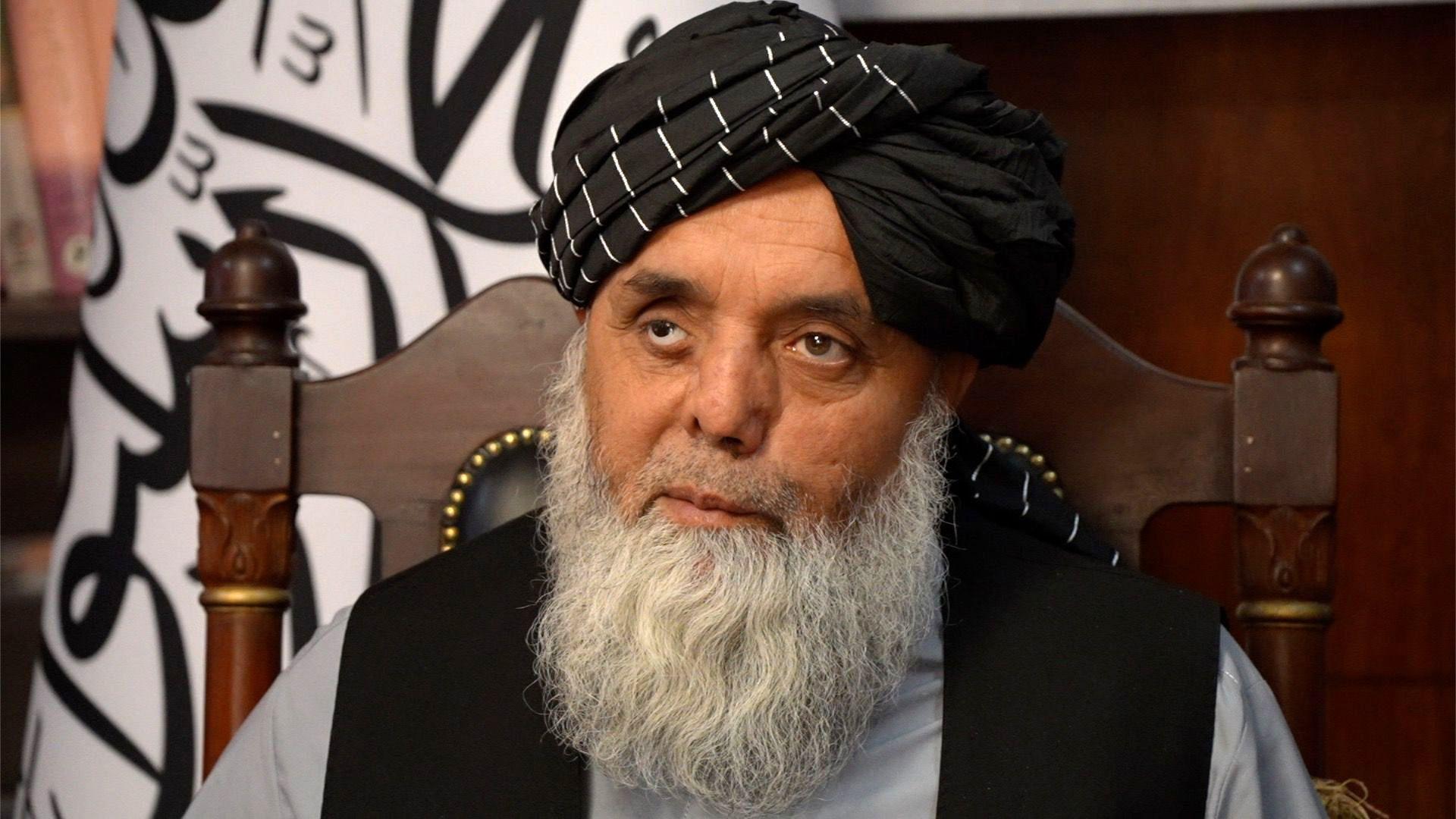
In the quiet office of North‑Afghanistan’s governor, a woman stood with her face hidden behind a veil and sunglasses, demanding a divorce after months of abuse. The governor, long‑time Taliban commander Abdullah Sarhadi, met her calmly but then turned to the men around them, saying women are “mindless” and “deficient.” His curt remark echoed the same gender‑biased view that had fueled the Taliban’s 1990s rule.
Later, Sarhadi admitted officials were stuck on tiny, slow phones because the Taliban had banned newer models. “Before you could send a quick message… sending documents and getting an answer fast,” he said, warning that asking further about the ban would “cause trouble.”
These moments underline the Taliban’s finger on the country’s pulse: women are banned from schools, jobs, and free travel; men must have beards; and government power sits in a mix of former insurgents now wearing bureaucratic coats.
Contrasting this harshness, the Taliban spun promises of new roles for women, claiming they can now work and study “within our frameworks.” Yet, many officials say such opportunities still involve strict Sharia filters, confusing the line between progress and control.
The story paints a picture of old fighters turned governors, a stubborn smartphone ban, and the ongoing battle over gender rights. It shows how quickly the Taliban’s legacy still shapes everyday life, even in a time of rapid global change.
Want to dive deeper into Afghanistan’s current reality? Click below for more insights.