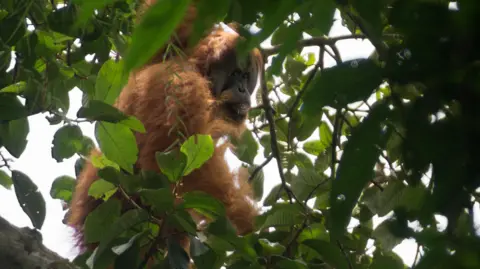
An unusual silence in the forests of north Sumatra in Indonesia is worrying wildlife experts and conservationists. Here, in the mountainous forests of Batang Toru, is where they had always seen and heard the world’s rarest ape, the Tapanuli orangutans.
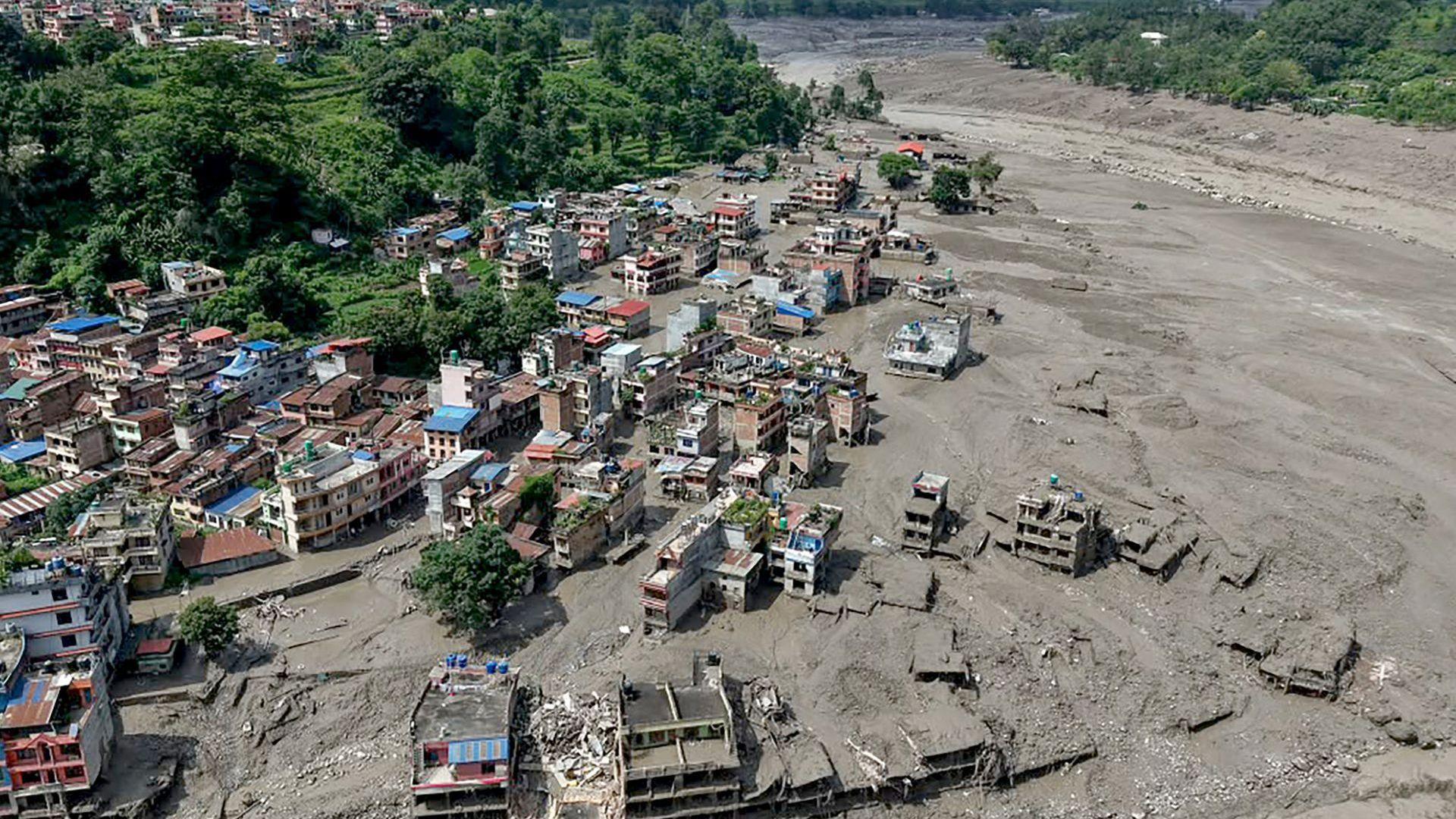
But ever since Cyclone Senyar devastated Sumatra on 25 November, the critically endangered primates have not been seen in the area, conservation workers say. Their absence has fueled speculation as to whether the great apes were swept away by floods and landslides. And while some believe the animals may have traveled to a safer location, a carcass found in the area, said to be that of an orangutan, is fueling conservationists' fears.
Fewer than 800 Tapanuli orangutans remain and any loss would have a serious impact on the species, conservationists say.
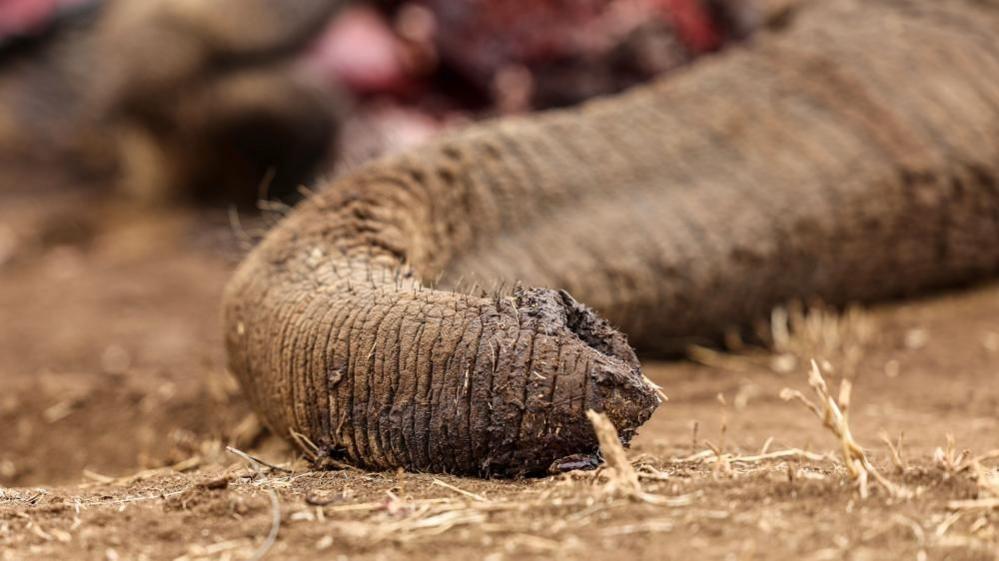
Humanitarian workers told the BBC they found the dead animal semi-buried in the debris of mud and logs in Pulo Pakkat village in central Tapanuli district earlier this week. When I first saw it I was not sure what it was, because it was kind of defaced, perhaps because it was buried underneath by the sludge and logs, said Deckey Chandra, who has been working with a humanitarian team in the area. He previously worked in the conservation of the Tapanuli orangutans.
These areas show as bare soil on satellite imagery where two weeks ago it was primary forest. Complete destruction. Many patches of several hectares completely denuded. It must have been hellish in the forest at the time.
The recent floods have also damaged a number of orangutan research centres in Sumatra, highlighting the urgent need for rebuilding and conservation efforts to protect the remaining habitat for these unique animals.
But ever since Cyclone Senyar devastated Sumatra on 25 November, the critically endangered primates have not been seen in the area, conservation workers say. Their absence has fueled speculation as to whether the great apes were swept away by floods and landslides. And while some believe the animals may have traveled to a safer location, a carcass found in the area, said to be that of an orangutan, is fueling conservationists' fears.
Fewer than 800 Tapanuli orangutans remain and any loss would have a serious impact on the species, conservationists say.
Humanitarian workers told the BBC they found the dead animal semi-buried in the debris of mud and logs in Pulo Pakkat village in central Tapanuli district earlier this week. When I first saw it I was not sure what it was, because it was kind of defaced, perhaps because it was buried underneath by the sludge and logs, said Deckey Chandra, who has been working with a humanitarian team in the area. He previously worked in the conservation of the Tapanuli orangutans.
These areas show as bare soil on satellite imagery where two weeks ago it was primary forest. Complete destruction. Many patches of several hectares completely denuded. It must have been hellish in the forest at the time.
The recent floods have also damaged a number of orangutan research centres in Sumatra, highlighting the urgent need for rebuilding and conservation efforts to protect the remaining habitat for these unique animals.