In brief
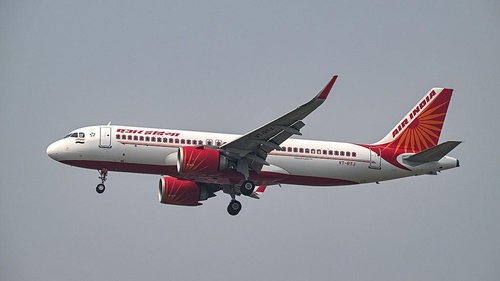
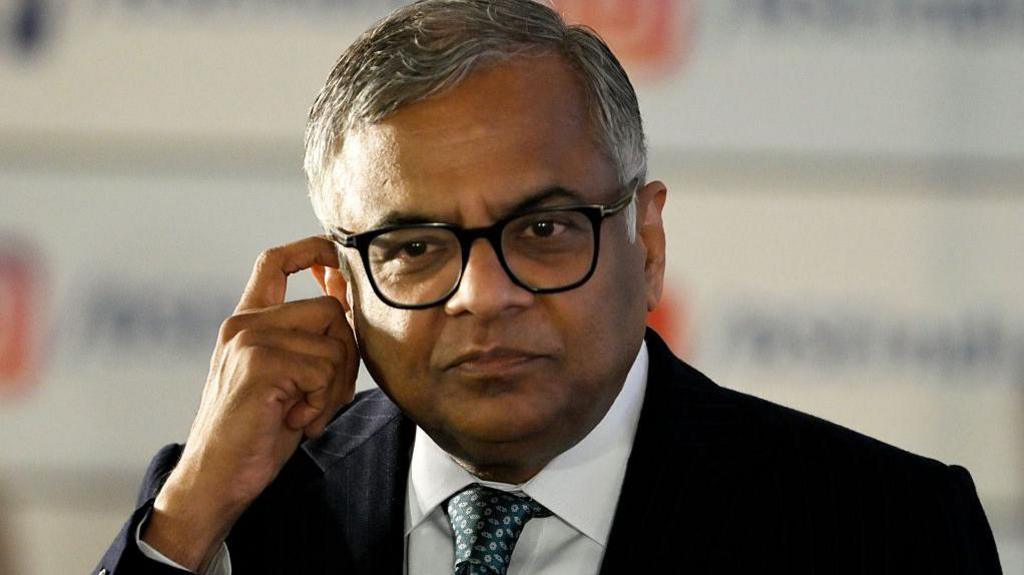
N Chandrasekaran, the man at the helm of India’s biggest conglomerate, has announced he will not seek reappointment when his term ends next month. The decision follows a fall‑out in the board where a five‑year extension could not be agreed. Shares of Tata‑listed companies dipped sharply after the news, but the move keeps the group’s leadership stable and eases worries about internal politics. This development comes amid a broader turmoil that has rattled a company owning Air India, Tata Steel and Jaguar Land Rover.
Chandrasekaran steps down as Tata Group’s chairman, stepping away from the post that he has held since 2017. The 63‑year‑old declared that he will not seek reappointment when the term ends in February after the board of Tata Sons could not decide on a five‑year extension. Market reaction was immediate, with listed Tata stocks dropping as investors weighed the implications of his exit.
Board tensions had already been brewing for months after a power battle erupted between trustees. Tata Trusts, the charitable wing that owns 66 per cent of the parent company, and other board members clashed over nominations, funding approvals and the listing of Tata Sons. For its part, the conglomerate remains uncommitted publicly to the saga.
While the group faces sharp business challenges – from Air India’s revival to growth in its steel arm – Chandrasekaran’s decision to leave is aimed at safeguarding momentum. He said:
"In the absence of unanimous support, I chose to defer the decision," adding that a clear leadership path was crucial for employees, investors and partners. The move arrives just ahead of the annual general meeting of Tata Sons.
Chandrasekaran replaced the late Cyrus Mistry in 2017, after Mistry’s forced removal sparked a lengthy legal battle. His departure opens a new chapter for Tata’s governance as it strives to keep its global footprint intact while navigating domestic politics and market pressures.