In brief
In South Africa, white farmers like Marthinus have begun applying for refugee status in the US due to growing fears over violent crime and personal safety. While some believe they're targeted, others argue that attacks are indiscriminate, affecting all farmers, regardless of race. The US has signaled a willingness to accept Afrikaners amid a backdrop of violence and racial tension. This situation has sparked discussions about identity, crime, and safety in the nation post-apartheid.
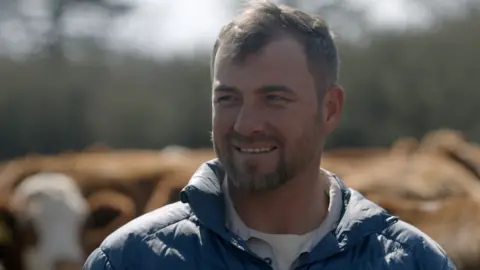
The 4m-high (13ft) electric steel gates, capped with spikes, creak open as Marthinus, a farmer, drives through in his pick-up truck. Cameras positioned at the entrance track his every move, while reams of barbed wire surround the farm in rural Free State province. It feels like a prison, he shares. The fear of being attacked is very real for this white Afrikaner, whose family tradition has been marred by violence. After applying for refugee status in the US, he expresses his desperation for safety, highlighting an ongoing crisis for many within his community.Yet not all white South Africans agree with his assessment. Many, including black farmers, also face peril due to the endemic violent crime rate across the country. The narrative surrounding targeted attacks is contentious, and discussions about racial dynamics in this post-apartheid society continue to unfold. An estimated thousands are seeking refuge as violent crime persists, and while the US government offers a solution, the situation reflects deeper societal challenges still affecting modern South Africa.