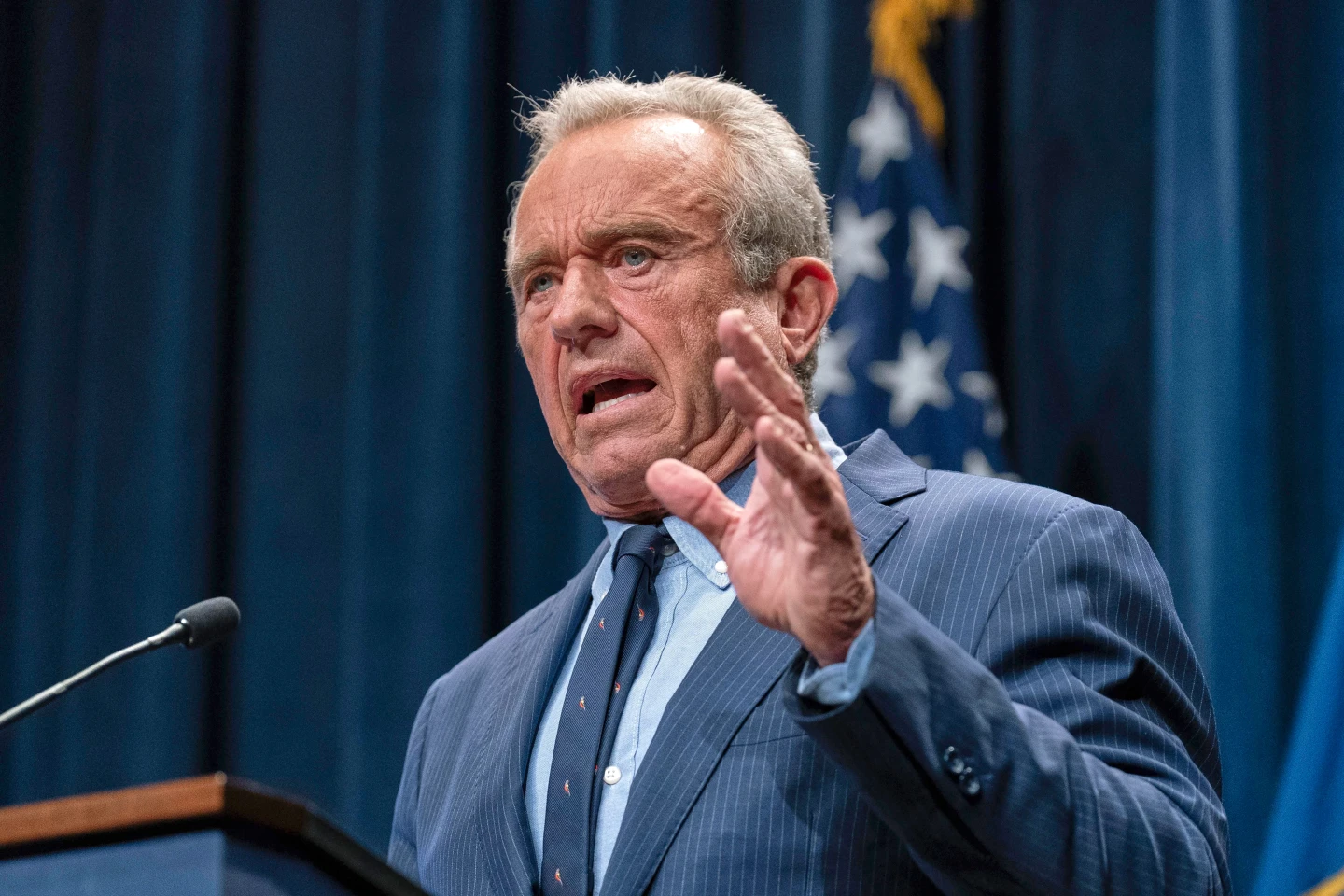
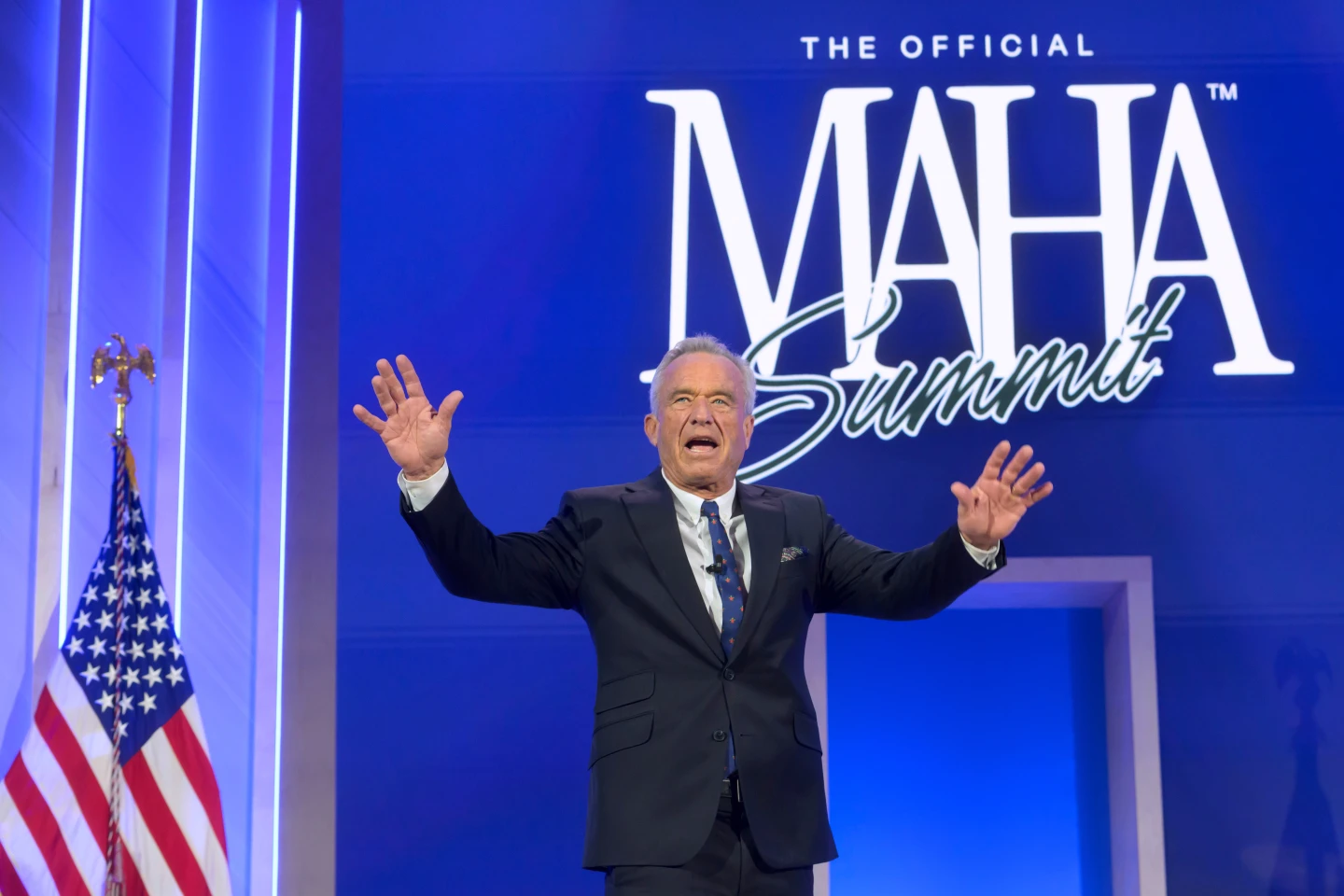
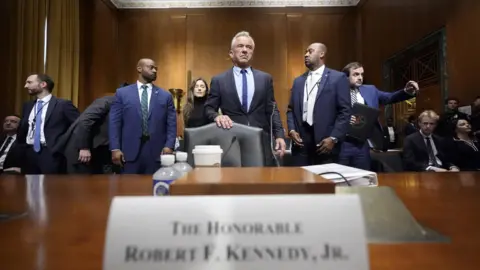
NEW YORK (AP) — This week, a federal vaccine advisory committee will tackle whether newborns should still receive the hepatitis B vaccine, the first shot discovered to prevent cancer. Current U.S. health guidelines recommend vaccinating all infants on their first day of life to guard against hepatitis B, a liver infection that can lead to serious health issues, including liver cancer. However, U.S. Health Secretary Robert F. Kennedy Jr.'s committee may shift this guidance, contradicting longstanding public health directives.
The importance of the hepatitis B vaccine is underscored by the fact that up to 90% of infants who contract the virus develop chronic infections. Dr. Sean O’Leary from the American Academy of Pediatrics insists on recommending the vaccine, emphasizing it saves lives.
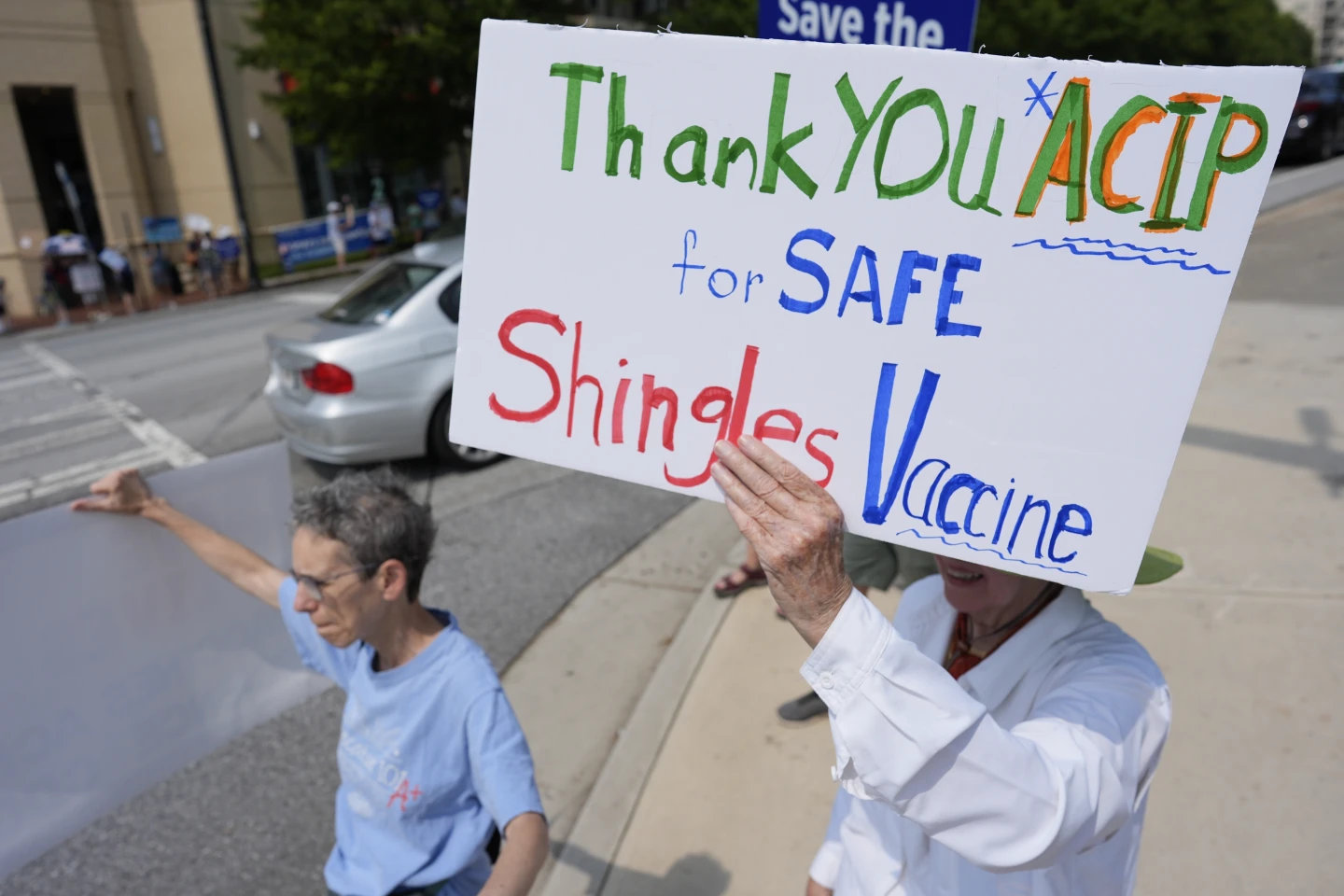
The committee's potential change has sparked significant debate, with committee members like Dr. Evelyn Griffin questioning the necessity of administering the vaccine so early in life. The Advisory Committee on Immunization Practices (ACIP), historically influential in shaping vaccine recommendations, may face backlash should it decide to revise its guidelines.
Several health organizations have voiced concerns about altering these recommendations, especially as changing guidelines could lead to misunderstandings and fear among parents. U.S. Senator Patty Murray has called for action, describing the proposed changes as 'heartless' and risking the lives of newborns. Amidst this discussion, the health community remains firm on the safety and importance of the hepatitis B vaccine, recalling the significant drop in infections due to its widespread administration since being licensed in 1981.
The importance of the hepatitis B vaccine is underscored by the fact that up to 90% of infants who contract the virus develop chronic infections. Dr. Sean O’Leary from the American Academy of Pediatrics insists on recommending the vaccine, emphasizing it saves lives.
The committee's potential change has sparked significant debate, with committee members like Dr. Evelyn Griffin questioning the necessity of administering the vaccine so early in life. The Advisory Committee on Immunization Practices (ACIP), historically influential in shaping vaccine recommendations, may face backlash should it decide to revise its guidelines.
Several health organizations have voiced concerns about altering these recommendations, especially as changing guidelines could lead to misunderstandings and fear among parents. U.S. Senator Patty Murray has called for action, describing the proposed changes as 'heartless' and risking the lives of newborns. Amidst this discussion, the health community remains firm on the safety and importance of the hepatitis B vaccine, recalling the significant drop in infections due to its widespread administration since being licensed in 1981.