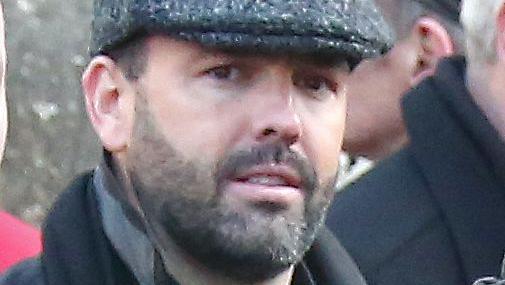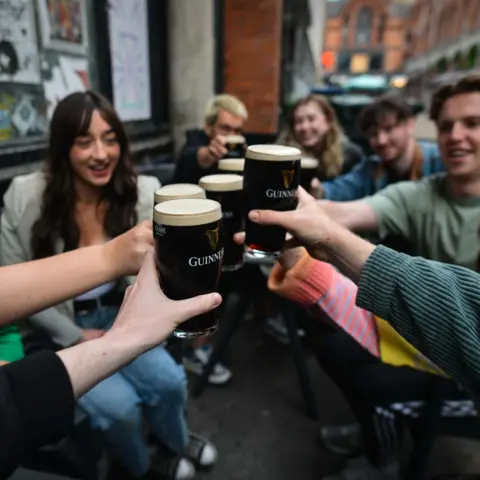
Jack is a typical Irish drinker, enjoying several pints while out with friends. Growing up in County Galway, he explains how drinking starts young in Ireland, usually around age 14 or 15. Despite a growing concern about alcohol consumption and health, the country remains steeped in a rich drinking culture, with pubs at the heart of socialization.
New warning labels, introduced in response to rising health concerns, are meant to convey the risks associated with alcohol, such as liver disease and cancers. Although these were signed into law in 2023, their mandatory implementation has been postponed until 2028, raising questions about the political influence of the drink industry.
While some statistics show a decline in overall drinking, the binge-drinking culture persists among young people, with many acknowledging the health risks but continuing to partake. Individual accounts reveal a mixture of awareness and indifference to the new labels, with many believing social pressures outweigh health warnings.
For example, Amanda, 23, expresses skepticism about the labels’ effectiveness. She feels that her peers may overlook the warnings and continue drinking, despite concerns about health and social media perceptions. Sean, another young Dublin resident, acknowledges the allure of socializing in pubs while recognizing the health risks.
However, not all young people embrace drinking. Some, like Mark and Helen, have adopted a more sober lifestyle, citing financial reasons and personal health choices.
Sam, who quit alcohol entirely, notes the challenge of being teetotal in a city known for its drinking culture, indicating that societal acceptance remains difficult for those who choose to abstain.
As Ireland navigates the balance between its beloved drinking culture and growing health consciousness, the discussion around mandatory warning labels continues. Will they change the long-standing attitudes towards alcohol, or will they be just another overlooked sticker on a bottle?