The Heart of the Flooding Crisis
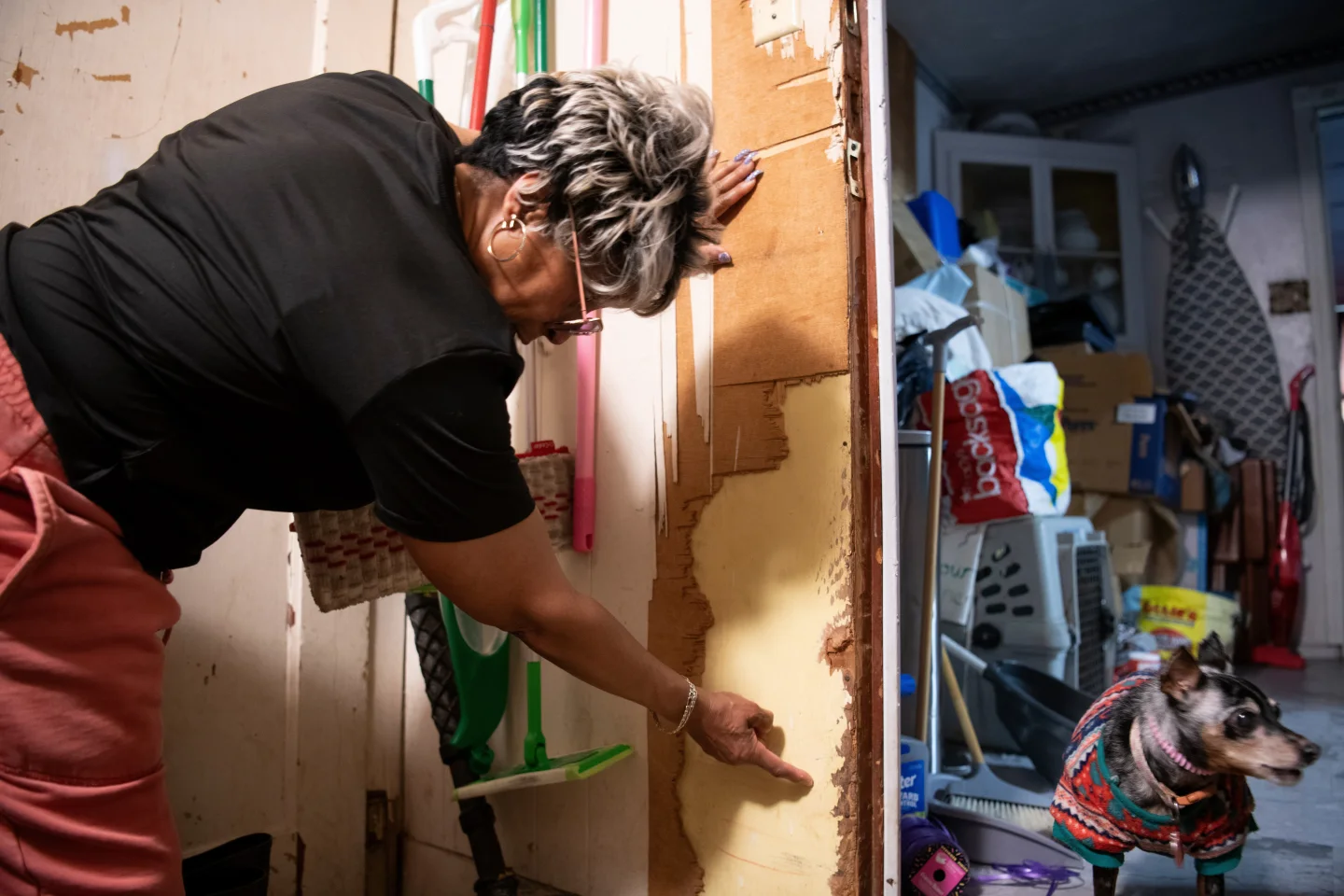
Yvette Lyles sees her home in Cahokia Heights, Illinois, as a dream come true for her family—a place for holidays and outdoor fun. But a series of devastating floods have transformed that dream into a nightmare. Her family has faced terrible conditions, with sewage seeping into their streets and yards. I had to turn my back so my children wouldn’t see me cry, Lyles expressed, highlighting the emotional toll this crisis takes.
The community, primarily Black and with significant poverty rates, is one of many across the U.S. grappling with aging and risky wastewater systems. During heavy rains, untreated sewage overflows, causing serious health risks and damaging homes.
Infrastructure Neglect and Funding Woes
Efforts to address these issues have been complicated. Grants aimed at improving living conditions have been canceled under previous administrations, leaving communities like Cahokia Heights without vital support. Experts like Catherine Coleman Flowers emphasize that these are infrastructure issues tied to health and dignity, with too many neighborhoods facing similar crises across America.
While some funding still exists, experts warn that the most disadvantaged communities struggle to access these resources due to bureaucratic hurdles and lack of expertise.
Hope Under Threat
Local leader Sherry Bradley expresses concern over community members losing hope. The cancellation of essential funding initiatives leaves many families grappling with uncertainty and mistrust of governmental support systems.
As discussions about funding claim priority in Congress, advocates stress that without immediate assistance, the situation in Cahokia Heights will only worsen. It’s urgent! they cry, as families continue to face the brunt of a failing infrastructure.