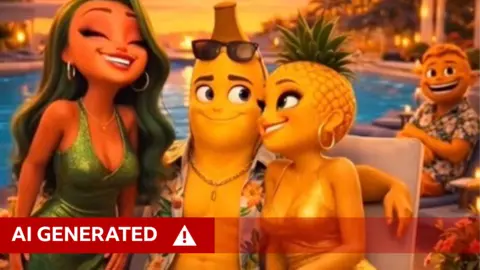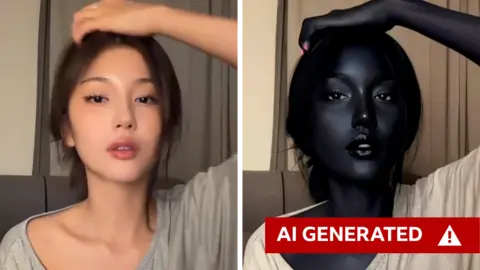
TikTok has taken significant action against accounts exploiting AI technology to create black female avatars that promote sexually explicit materials. In response to a BBC investigation, 20 accounts were banned for featuring AI-generated influencers designed without permission to lead users to adult content sites. Critics have called this trend both exploitative and racist, citing the harmful stereotypes and racial tropes it perpetuates. The BBC, alongside researchers from Riddance, uncovered numerous accounts showcasing highly sexualized digital personas that violated TikTok's guidelines by failing to disclose their AI-generated nature.
Key findings of the investigation show that almost all of the accounts were active on Instagram, with a third present on TikTok. The avatars often wore revealing clothing and sported exaggerated body types, raising alarms about the unrealistic representation of black women and potential exploitation. Under scrutiny, TikTok and Instagram were urged to enforce stricter regulations against such misleading content.
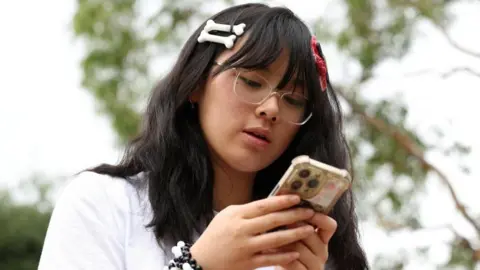
One of the most concerning aspects was the use of real people's videos and images without consent. Content creator Riya Ulan described feeling angered when she discovered a manipulated video of herself was used as part of an AI-generated account that gained millions of followers. Despite reporting the misuse multiple times, action was only taken after media attention increased.
Riya expressed worries that not only were her videos repurposed to promote explicit content, but many people also mistakenly believed the AI models were real. This incident highlights a broader cultural issue about racism and the exploitation of black women through AI technology, moving into both social media discourse and regulatory considerations.
In conclusion, as social platforms grapple with the complexities of AI-generated content, the call for clear labeling and responsible use has never been more critical.
Key findings of the investigation show that almost all of the accounts were active on Instagram, with a third present on TikTok. The avatars often wore revealing clothing and sported exaggerated body types, raising alarms about the unrealistic representation of black women and potential exploitation. Under scrutiny, TikTok and Instagram were urged to enforce stricter regulations against such misleading content.
One of the most concerning aspects was the use of real people's videos and images without consent. Content creator Riya Ulan described feeling angered when she discovered a manipulated video of herself was used as part of an AI-generated account that gained millions of followers. Despite reporting the misuse multiple times, action was only taken after media attention increased.
Riya expressed worries that not only were her videos repurposed to promote explicit content, but many people also mistakenly believed the AI models were real. This incident highlights a broader cultural issue about racism and the exploitation of black women through AI technology, moving into both social media discourse and regulatory considerations.
In conclusion, as social platforms grapple with the complexities of AI-generated content, the call for clear labeling and responsible use has never been more critical.