In brief
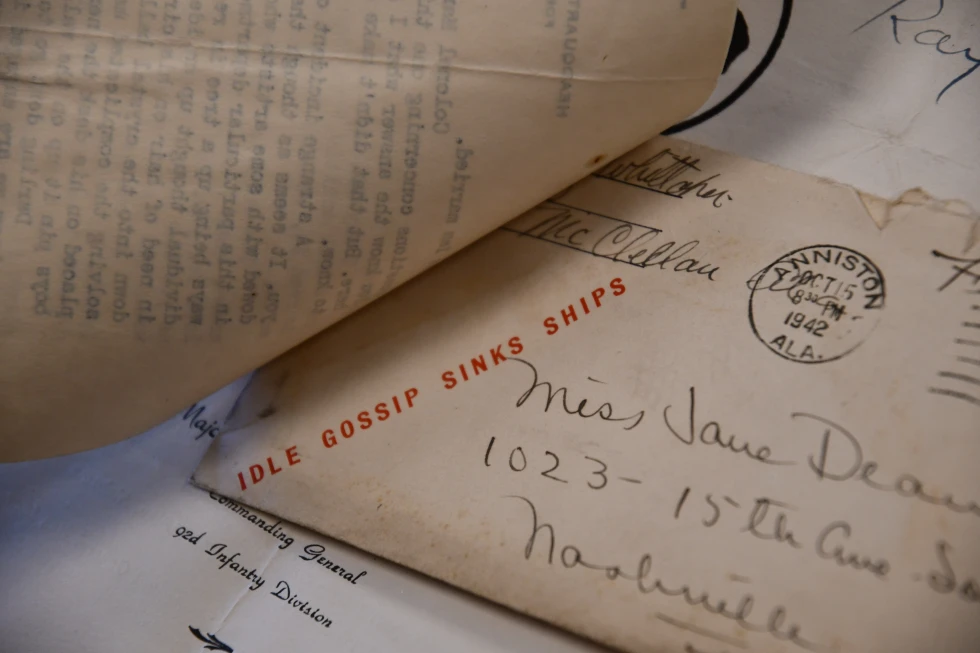
A collection of over 200 love letters from William Raymond Whittaker and Jane Dean reveals a touching story of their courtship during World War II. Digitally displayed by the Nashville Public Library, these letters highlight both the romance and the emotional challenges faced by the couple, navigating love amidst the uncertainties of war.
NASHVILLE, Tenn. — The Nashville Public Library has digitized a collection of more than 200 love letters exchanged between William Raymond Whittaker and Jane Dean during World War II, revealing a poignant glimpse into their relationship amid the turmoil of war. The letters, found in a Nashville home previously owned by Jane and her siblings, provide an emotional correspondence that reflects their love and the challenges they faced during a difficult time.Ray, originally from New Rochelle, New York, moved to Nashville to attend Meharry Medical College where he met Jane. As his military service began, Ray reconnected with Jane through letters, leading to an exchange that was both romantic and filled with uncertainty. Jane wrote fondly of her feelings, while exploring the emotional impact of war on their relationship.As their correspondence progressed, Ray expressed his hopes of marrying Jane, playfully hinting at a future together. Their love story culminated in their marriage on November 7, 1942, although they lamented their separation due to Ray's military obligations. Jane's letters captured the essence of their devotion, ending with heartfelt promises of love. This remarkable collection not only tells a love story but also provides perspectives on racial and gender issues of the time, making it an important part of Nashville's historical heritage.