In brief
In a bid to beat July heat, Tokyo’s government urges employees—especially men—to wear shorts instead of suits. The new “Tokyo Cool Biz” policy has sparked mixed reactions: many welcome the comfort, while some women allege that the rule forces them to confront unwanted leg hair in the workplace. A recent survey shows a near‑split in opinion, and experts warn that the shift could raise new workplace etiquette concerns. Meanwhile, Japan’s extreme temperatures are pushing governments to promote heat‑safe living.
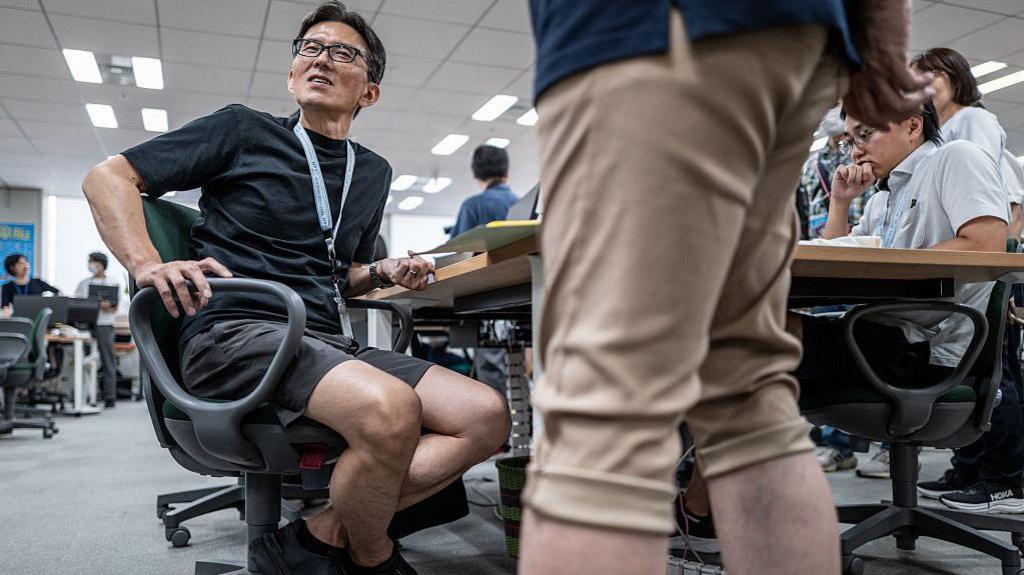
On a hot July morning, a group of men in bright shorts and t‑shirts have taken to Tokyo’s office floors, replacing the drab suit and tie that has long been standard. This is part of a new initiative called Tokyo Cool Biz, launched by Governor Yuriko Koike to make workplaces more comfortable in record‑sweat temperatures.
The plan is simple: ditch the jacket, keep the shirt short‑sleeved, and—if the heat is extreme—shorts are allowed. Over four months into the policy, reactions have been divided. A survey from the Gorilla Clinic showed 53.5% against wearing shorts at work, while 46.5% supported the relaxed dress code.
Why the divide? Women raise a new term for their discomfort: “sunehara” (leg‑hair harassment). Since women are still expected to wear tight pants to cover their legs, men’s bare calves can feel flaunted. Some women say it feels like an unwanted spotlight on natural body hair, drawing concern about workplace equality and etiquette.
Experts say the change is part of a larger cool‑down legacy that began in 2005. Earlier that year, then‑environment‑minister Koike started a “Cool Biz” campaign that encouraged short‑sleeve shirts to save energy. The policy grew to “Super Cool Biz” after the 2011 Tōhoku disaster, and now has led to the new short‑leg rule.
But the heat itself is the real driver. Japan’s climate ministry has warned of “kōkoshō‑bi”—days when temperatures rise above 40 °C. In the past week, seven people have died of heatstroke, and 4,580 were hospitalized. The government urges hydration and air‑conditioning, but also promotes cool‑wear and gadgets to beat the heat.
As Tokyo’s “Cool Biz” evolves, workers and leaders alike are learning how to navigate heat, style, and fairness. Will the short‑leg trend become the new norm, or will new rules tighten to protect everyone’s comfort? Only time will tell.